⚡ Quick Answer
Fruity fragrances captivate your senses by blending sweet, juicy notes with depth and complexity. They range from light and playful to rich and sensual, making them versatile for any season or occasion.
Why Fruity Fragrances Matter
Fruity fragrances have become a staple in modern perfumery, and for good reason. They offer an immediate sense of joy and freshness that few other scent families can match. When I first explored fruity fragrances, I was surprised by how much variety exists within this category. From tropical mango to tart berries, each fruit brings its own personality to a composition.
Understanding fruity fragrances helps you navigate the broader world of fragrance families. These scents sit at the intersection of playfulness and sophistication, making them approachable for beginners while offering depth for experienced fragrance lovers. The key is recognizing that fruity fragrances aren’t one-dimensional—they layer with florals, woods, and musks to create something truly special.
What makes fruity fragrances so captivating is their ability to evoke memories and emotions instantly. A whiff of peach might transport you to a summer day, while blackcurrant can feel mysterious and moody. This emotional connection is what separates a good fruity fragrance from an exceptional one.
The Fruit Notes That Make the Magic
The heart of any fruity fragrance lies in its fruit notes, which can be natural extracts or synthetic molecules that capture the essence of real fruit. I’ve noticed that the best fruity fragrances use a combination of both to achieve authenticity while maintaining longevity. Understanding these components helps you predict what a scent will smell like and how it will perform on your skin.
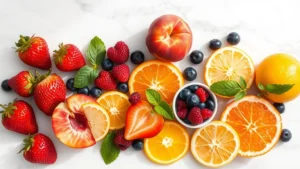
Top fruit notes tend to be bright and fleeting—think bergamot, lemon, and grapefruit. These give you that instant pop of freshness that makes you smile when you first spray. Middle fruit notes like peach, apple, and pear develop after a few minutes and provide the main fruity character. Base fruit notes such as fig, blackcurrant, and plum add weight and sensuality to the composition.
The fragrance wheel shows how fruity notes connect to other families like florals and woods. Most quality fruity fragrances aren’t purely fruit-forward—they’re enhanced with supporting notes that add complexity. For example, a fruity fragrance might combine strawberry with rose and vanilla, creating something more sophisticated than fruit alone could offer. This layering technique is what separates professional compositions from amateur attempts.
When shopping for fruity fragrances, pay attention to which fruits are listed in the notes. Citrus fruits offer brightness, stone fruits bring warmth, and berries add tartness. This knowledge helps you find scents that align with your preferences.
How Fruity Fragrances Evolve on Your Skin
One of the most rewarding aspects of fruity fragrances is watching them transform throughout the day. The first five minutes are all about the top notes—that fresh, juicy burst that makes you fall in love at first spray. On my skin, fruity fragrances typically open bright and almost edible, almost like you’re holding a fresh fruit in your hand.
After fifteen to thirty minutes, the heart notes emerge. This is where the true character of the fragrance reveals itself. A fruity fragrance might start as bright citrus but develop into creamy peach or tart blackcurrant. This transition is crucial because it determines whether you’ll still love the scent after the initial excitement fades. The best fruity fragrances maintain their appeal through this phase without becoming either boring or chemically sweet.
The base notes anchor everything together, typically lasting several hours. In fruity fragrances, you might find vanilla, musk, amber, or woody notes that give the fruit character staying power. I’ve found that fruity fragrances with strong base notes feel more refined and less like a fruit juice bomb. Brands like Dolce and Gabbana excel at this balance, creating fruity compositions that feel grown-up and wearable.
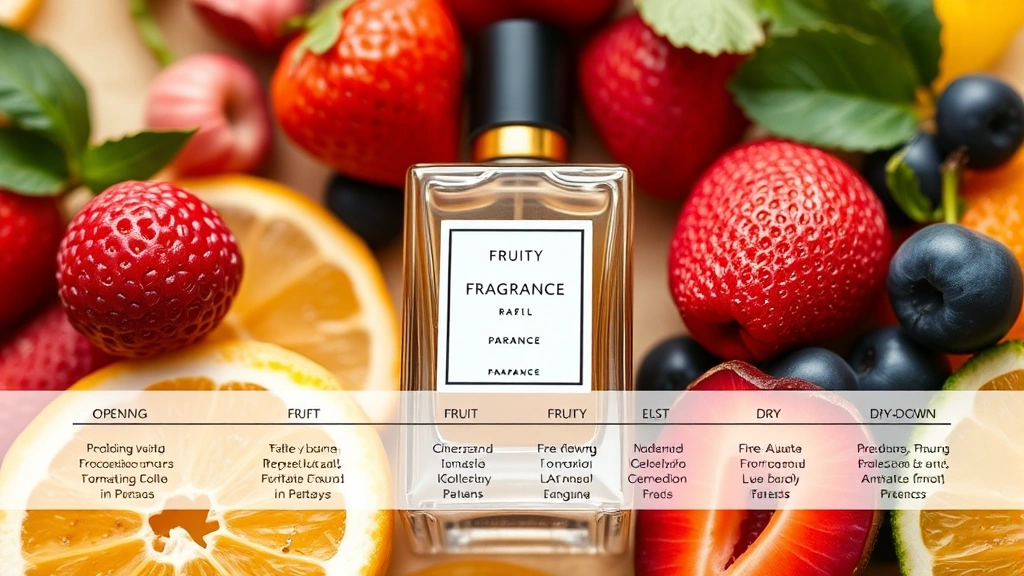
The journey from opening to dry-down shouldn’t feel disjointed. Quality fruity fragrances transition smoothly, with each phase building on the last rather than feeling like three separate scents.
Performance and Staying Power
Longevity is where fruity fragrances often divide opinion. Some people worry that fruity scents won’t last long, but this varies dramatically based on concentration and composition. I’ve tested numerous fruity fragrances and found that the quality of the base notes makes all the difference. A fruity fragrance with proper woody or musky anchors can easily last six to eight hours or more.
Eau de parfum concentrations of fruity fragrances perform better than eau de toilette versions, offering deeper richness and longer wear time. If longevity is your concern, check the concentration before buying. Some tips for making fragrance last longer include applying to pulse points, moisturizing skin first, and using fragrance layering techniques.
On my testing, fruity fragrances with synthetic molecules in the base tend to last longer than those relying solely on natural extracts. The trade-off is that some all-natural fruity fragrances smell more authentic initially but fade faster. The best fruity fragrances find balance—authentic fruit character paired with modern performance molecules that ensure you’re not reapplying every two hours.
Projection—how far the fragrance travels from your skin—varies with fruity scents. Lighter, more citrus-focused fruity fragrances might have moderate projection, while deeper fruity compositions with florals or woods project further. Consider your environment when choosing; office-appropriate fruity fragrances tend to be closer to the skin, while night-out options can have more presence.
✅ Pros
- Instantly uplifting and mood-boosting scent experience
- Wide variety of fruit options to match any preference
- Versatile for different seasons and occasions
- Generally approachable for fragrance newcomers
- Can range from fresh and light to rich and sensual
- Work beautifully in fragrance blends and layering
❌ Cons
- Some fruity fragrances lack longevity without strong base notes
- Risk of smelling overly sweet or candy-like if poorly composed
- Certain synthetic fruit notes can smell artificial or chemical
When and How to Wear Fruity Fragrances
Fruity fragrances aren’t seasonal in the traditional sense—you can wear them year-round, but certain types shine in specific seasons. Spring and summer call for lighter, brighter fruity fragrances with citrus or tropical notes. Think pineapple, peach, and yuzu-forward compositions that feel refreshing in warm weather. These fragrances pair naturally with lighter clothing and outdoor activities.
Fall welcomes deeper fruity fragrances featuring plum, apple, and fig. These feel more grounded and cozy, matching the season’s aesthetic. Winter can accommodate fruity fragrances too, especially those with spice or gourmand elements that add warmth. Raspberry with vanilla or cherry with cinnamon feels appropriate for cooler months.
Consider your lifestyle when choosing fruity fragrances. Office environments call for subtle fruity scents that won’t overwhelm colleagues—look for compositions where fruit plays supporting role alongside florals. Weekend and evening wear allows for bolder, more fruit-forward options. Athletic wear and gym settings benefit from fruity fragrances with fresher profiles, as they complement active lifestyles.
Gender doesn’t restrict fruity fragrance choices anymore. Brands across the market—from female fragrance brands to unisex lines—offer fruity options for everyone. The key is finding fruity fragrances that match your personality and preferences rather than following outdated gender rules.
🔄 How It Compares: Fruity fragrances offer more playfulness and approachability compared to chypre fragrances, which feel more structured and traditional
Fruity Fragrances vs. Other Fragrance Families
Understanding how fruity fragrances compare to other families helps you make informed choices. Unlike chypre fragrances which emphasize oakmoss and citrus in a more structured way, fruity fragrances center the sweetness and juiciness of fruit. Chypres feel more sophisticated and traditional, while fruity scents feel more modern and approachable.
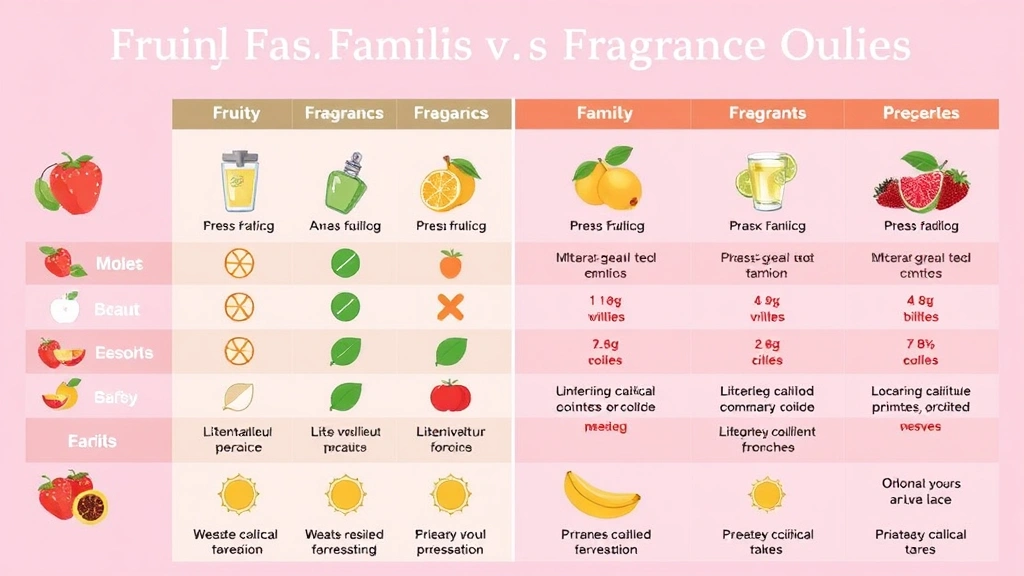
Fruity fragrances differ from floral fragrances in their primary appeal. Florals celebrate flowers as the main character, while fruity fragrances use fruit as the star. However, many fragrances blend both families—fruity florals are incredibly popular and often feel more wearable than purely fruity compositions. These hybrids offer the best of both worlds: the joy of fruit with the elegance of flowers.
Compared to gourmand fragrances, fruity scents feel fresher and less heavy. Gourmands emphasize dessert and candy notes (vanilla, caramel, chocolate), while fruity fragrances maintain a connection to natural fruit character. That said, some fruity fragrances lean gourmand with creamy, sweet fruit notes that blur the line between families.
Woody fragrances and fruity fragrances often work together in blends. The fruit provides brightness and initial appeal, while the wood grounds the composition and extends longevity. This combination creates fragrances that feel complete and sophisticated. Many popular options from retailers like Dossier and mainstream brands leverage this pairing successfully.
❓ Frequently Asked Questions
Are fruity fragrances only for warm weather?
Not at all. While lighter fruity fragrances shine in spring and summer, deeper fruity scents with plum, fig, or spiced fruit notes work beautifully in fall and winter. The key is matching the fruit profile to the season—bright citrus for warmth, darker fruits for cooler months.
How long do fruity fragrances typically last?
This depends heavily on concentration and base notes. Eau de parfum fruity fragrances can last six to eight hours or more, while eau de toilette versions might fade after three to four hours. Quality fruity fragrances with strong woody or musky bases perform significantly better than those relying solely on fruit notes.
Can men wear fruity fragrances?
Absolutely. Fruity fragrances are increasingly unisex, and many men’s fragrances feature prominent fruit notes. The perception that fruit equals feminine is outdated. Choose fruity fragrances with deeper or spiced fruit profiles if you prefer something that feels more traditionally masculine.
What’s the difference between fruity and fruity-floral fragrances?
Pure fruity fragrances center fruit as the main character, while fruity-floral blends give equal weight to both fruit and flower notes. Fruity-florals often feel more balanced and wearable for everyday use, as the flowers add elegance to the fruit’s playfulness.
How do I know if a fruity fragrance will work for my skin?
Fruity fragrances interact with skin chemistry like any fragrance. The best approach is testing samples before committing to a full bottle. Also check the concentration level and base notes—these factors impact how the fragrance smells and lasts on your specific skin.
Are natural fruity fragrances better than synthetic ones?
Both have merit. Natural fruit extracts smell more authentic initially but fade faster. Synthetic fruit molecules last longer and provide better performance. The best fruity fragrances blend both for authentic character with reliable longevity.