⚡ Quick Answer
Cologne notes are the scent layers that make a fragrance work—top notes hit first, heart notes develop the character, and base notes give it staying power. Understanding how these three layers interact is key to finding fragrances that actually smell good on your skin and last throughout the day.
Understanding Cologne Notes
When you spray cologne, you’re not smelling one single scent. What you’re experiencing is a carefully layered composition called cologne notes. I noticed this the first time I paid attention to how a fragrance changed on my skin over a few hours—it wasn’t the same smell from minute one to minute ten.
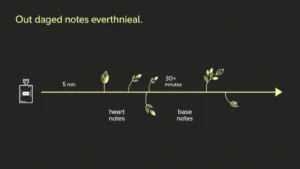
Cologne notes break down into three distinct categories: top notes, heart notes (also called middle notes), and base notes. Each layer serves a purpose and appears at different times after you spray. Understanding how these work together is what separates someone who just buys a cologne because the bottle looks cool from someone who actually knows what they’re getting.
The structure of cologne notes is basically the DNA of the fragrance. It’s why some colognes smell fresh and crisp in the morning but turn into something completely different by evening. This isn’t a flaw—it’s actually how fragrances are designed to work.
The Three Layers of Cologne Notes Explained
Top Notes: The First Impression
Top notes are what you smell in the first 5 to 15 minutes after applying cologne. These are typically lighter, more volatile compounds that evaporate quickly. Common top notes include citrus oils like bergamot and lemon, herbs like lavender and mint, and spices like pepper and ginger. On my skin, top notes always feel energetic and bright—they grab your attention immediately.
The reason top notes disappear so fast is chemistry. They have low boiling points, which means they turn into vapor and float away. This is why cologne smells different when you first spray it compared to an hour later. Top notes are the hook—they’re designed to make you think the fragrance smells amazing right out of the gate.
Heart Notes: The Character of the Fragrance
Heart notes emerge as the top notes fade, usually around 15 minutes to 2 hours after application. These are the middle ground between the quick evaporators and the long-lasting base. Heart notes typically include florals like jasmine and rose, fruits like apple and berries, and some spices. This is where the actual personality of the cologne lives.
I find that heart notes are what make or break a fragrance for me. The top notes might smell incredible, but if the heart notes aren’t interesting, the whole thing falls flat. Heart notes usually last the longest of the three layers and represent the true character of what you’re wearing. This is the phase where you really start to understand if a cologne is right for you.
Base Notes: The Foundation and Longevity
Base notes are the heavy hitters. These are what you smell after 2+ hours and can linger for 6 to 12 hours or even longer depending on the fragrance. Base notes include woody notes like sandalwood and cedarwood, musks, amber, vanilla, and resins. These compounds have high boiling points, so they stick around on your skin.

Base notes aren’t just about longevity—they also anchor the whole composition. Without a solid base, a cologne would smell like just a burst of top notes and then disappear. The base notes give depth and warmth to the fragrance, which is why understanding them matters when you’re choosing a cologne.
How to Use Cologne Notes to Your Advantage
Knowing the structure of cologne notes helps you make smarter choices about what you buy and how you use it. First, understand that the top notes are marketing. Companies want the initial smell to be amazing because that’s what you smell in the store. But the real test is whether the heart and base notes are worth wearing for 8+ hours.
When you’re testing a new cologne, give it time. Don’t judge it in the first minute. Spray it on your skin and wait at least 15 minutes before deciding if you like it. The fragrance needs to settle and reveal its heart notes. This is why shopping for cologne in-store is harder than it seems—you can’t fully experience the scent until later.
The way you apply cologne also affects how the notes develop. Applying it to warm areas of your body like your neck, chest, and wrists helps the fragrance develop faster and perform better throughout the day. Heat accelerates the breakdown of notes, which is why your cologne might smell stronger and change faster on hot days.
If you want a fragrance to last longer, pay attention to the base notes. A cologne heavy in woody or musky base notes will stick around much longer than one with light citrus bases. Understanding this helps you choose fragrances that actually meet your needs instead of guessing based on how it smells in the first 30 seconds.
Matching Cologne Notes to Your Day
Different cologne notes work better for different situations and times of day. Fresh, citrus-heavy colognes with light top notes work great for morning or office settings. These fragrances feel clean and energizing without being overwhelming. If you’re heading to work, look for colognes where the heart notes are subtle—you don’t want something that dominates a conference room.
Evening or going-out occasions call for colognes with richer, deeper heart and base notes. Fragrances with floral, amber, or woody notes feel more sophisticated and complex for dinner or social events. These tend to be more noticeable and memorable, which works in your favor when you want to make an impression.
Seasonal changes matter too. In summer, lighter colognes with citrus and fruity notes feel right. In winter, you want something warmer with stronger base notes that won’t get lost in heavy clothing. Understanding the balance of notes helps you build a fragrance wardrobe that works year-round.
Pay attention to how your skin chemistry affects the notes. Everyone’s body chemistry is different, which is why the same cologne might smell completely different on two different people. On my skin, certain fragrances lean more floral or spicy than they do on someone else. This is why testing before buying is crucial.
✅ Pros
- Understanding cologne notes helps you make intentional fragrance choices instead of guessing
- Knowledge of top, heart, and base notes lets you predict how a fragrance will perform throughout the day
- You can match specific note profiles to different occasions and seasons
- Learning about notes deepens your appreciation for fragrance composition and craftsmanship
- You’ll save money by buying fragrances that actually work for you instead of impulse purchases
- Testing fragrances with note knowledge helps you find your personal scent preferences faster
❌ Cons
- It takes time to develop your nose and learn to identify individual notes accurately
- Not all fragrances are transparent about their specific note compositions, making research necessary
What Makes Quality Cologne Notes
Not all cologne notes are created equal. The quality of the ingredients used in each layer directly affects how good the fragrance smells and how long it lasts. High-quality top notes use real citrus oils instead of synthetic reproductions. Real rose absolute in the heart notes smells completely different from synthetic rose fragrance chemicals.
Price usually reflects the quality of the notes to some extent. A $50 cologne and a $200 cologne might have the same basic structure, but the expensive one typically uses higher-quality raw materials in each layer. This means the scent is more refined, the longevity is better, and the fragrance actually develops in interesting ways as it wears.
That said, you don’t need to spend a fortune to get a good fragrance. Mid-range colognes between $60 and $120 often offer excellent quality and interesting note combinations. The key is learning to identify what makes the notes in a fragrance work for you personally.
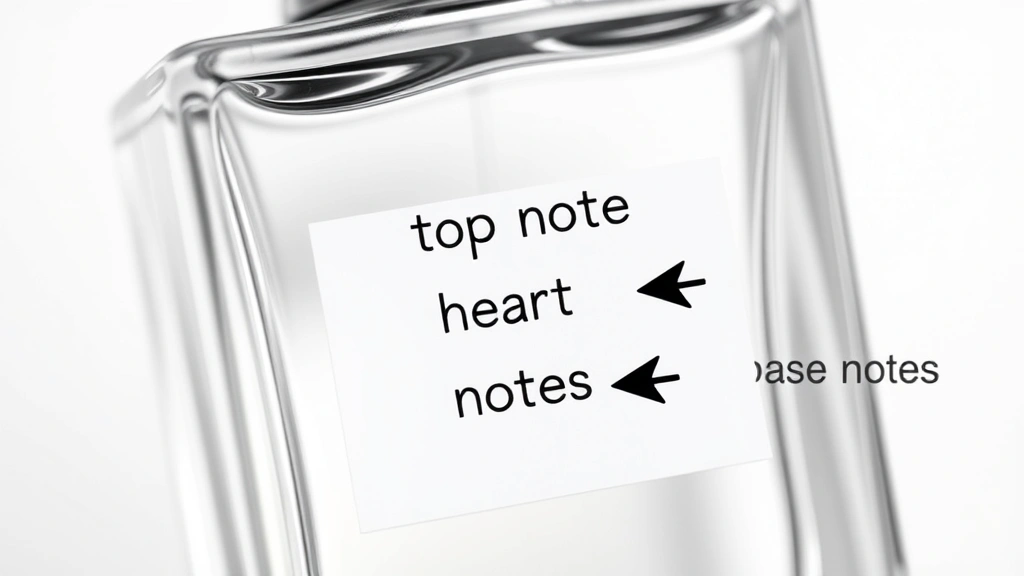
When evaluating a cologne, consider the balance of notes. Does the top note overwhelm everything, or does it fade nicely to reveal the heart? Do the heart notes feel substantial, or do they disappear too quickly? Does the base note last long enough to be noticeable? These questions help you assess whether the cologne is actually well-made, regardless of price.
🔄 How It Compares: Citrus-forward colognes like Dior Sauvage Elixir use bright top notes to create immediate freshness, similar to how Creed Green Irish Tweed opens with herbal top notes before developing into its signature heart
Building Your Fragrance Knowledge
Understanding cologne notes opens up a whole world of fragrance discovery. Once you recognize that you love citrus top notes with jasmine heart notes, you can find dozens of colognes that share that profile instead of just buying whatever smells good in the moment.
Start keeping notes about colognes you like and dislike. Write down what the top, heart, and base notes are for each one. Over time, you’ll notice patterns in your preferences. Maybe you always gravitate toward woody base notes, or you consistently love fresh citrus openings. This self-knowledge makes shopping for fragrances way easier.
Don’t be afraid to experiment with combinations. Some people layer fragrances by spraying one on their chest and another on their neck, letting the notes blend slightly. This is an advanced technique, but understanding cologne notes makes it possible to do intentionally instead of by accident.
The fragrance world has tons of resources for learning about specific notes. Fragrance communities online discuss individual colognes in detail, breaking down exactly what notes they detect and when. Spending time in these communities helps you develop your nose and understand how notes work in real fragrances, not just in theory.
❓ Frequently Asked Questions
How long do top notes actually last on your skin?
Top notes typically last between 5 and 15 minutes depending on the fragrance and your skin chemistry. They’re the most volatile part of the composition and evaporate quickly. Some fragrances have longer-lasting top notes if they use less volatile citrus oils or other ingredients.
Why does my cologne smell different after an hour?
What you’re experiencing is the natural progression of cologne notes. The top notes fade and the heart notes emerge, which is a completely different set of scent molecules. This is by design—fragrances are meant to evolve and develop over time on your skin.
Can I make a fragrance last longer by understanding its notes?
Yes. Fragrances with strong base notes naturally last longer. You can also apply cologne to warm areas of your body, use a fragrance primer, or layer it with unscented lotion to help it stick around. Proper storage also helps preserve the notes so the fragrance performs as intended.
What are the best cologne notes for work or professional settings?
Look for colognes with fresh citrus top notes and subtle heart notes—think lemon, bergamot, and light florals. Avoid anything too heavy or sweet. The fragrance should be noticeable to someone standing close to you, not fill an entire room.
Does my body chemistry affect how the notes smell?
Absolutely. Your skin’s pH, natural oils, and temperature all affect how fragrance notes develop on your body. This is why the same cologne might smell slightly different on you than on someone else. Always test a fragrance on your skin before buying.
How do I know if a cologne has quality notes?
Quality notes typically come from higher-end fragrances, but not always. Test the fragrance and pay attention to how it develops. Quality fragrances smell refined as they evolve, with each layer being distinct and interesting rather than blurry or flat.