
⚡ Quick Answer
Fragrance notes in perfume are the individual scent components that create the full aroma profile. Understanding top, middle, and base notes helps you appreciate how a fragrance evolves and choose scents that match your preferences.
Fragrance Notes in Perfume: The Basics
When I first started exploring fragrances, I realized that fragrance notes in perfume are basically the building blocks of every scent you smell. They’re individual aromatic ingredients layered together to create the complete fragrance experience. Think of it like music—each note plays its own part, but together they create something cohesive.
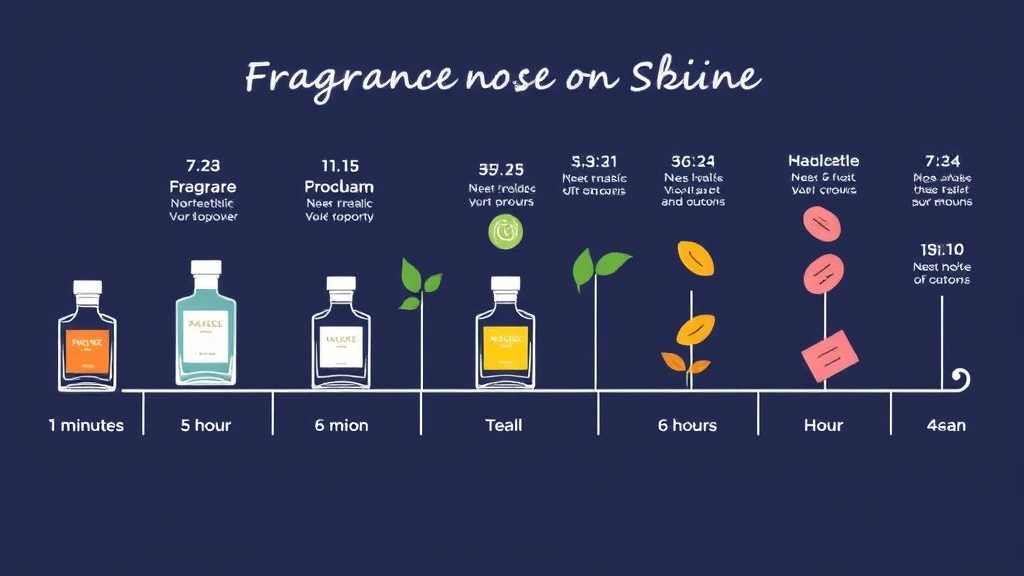
The structure of fragrance notes in perfume follows a pyramid: top notes hit you first, middle notes develop the character, and base notes provide the lasting impression. This layering is what makes perfume so complex and why the same fragrance can smell different on you after an hour compared to when you first apply it.
Understanding fragrance notes in perfume isn’t just for enthusiasts—it’s practical knowledge that helps you make better purchases and get more enjoyment from your collection.
The Three Layers of Fragrance Notes
Top Notes are what you smell in the first 5-15 minutes. These are usually citrus, fruity, or fresh elements that grab your attention immediately. They’re volatile and fade quickly, which is why a fragrance doesn’t smell the same on your skin after 30 minutes. I noticed this when I tested Atelier Cologne fragrances—the initial burst was bright and punchy, but it transformed as the composition settled.
Middle Notes (also called heart notes) emerge as top notes fade and last roughly 15 minutes to several hours. These typically include florals, spices, and herbs that define the fragrance’s actual character. This is where you discover what the perfumer really intended. On my skin, middle notes often reveal whether I’ll actually like wearing a fragrance all day or if it goes in a direction I didn’t expect.
Base Notes are the foundation that lasts the longest—sometimes 6+ hours depending on concentration and quality. These are heavy molecules like musks, woods, and resins that give fragrance staying power. When you’re looking at men’s fragrances with best dry down or wondering how long fragrances last, base notes are doing most of the heavy lifting.
The ratio of these three layers matters significantly. A fragrance with strong base notes will perform better throughout the day, while one heavy on top notes might feel like it disappears too quickly.
Pros and Cons of Learning Fragrance Notes
Advantages of Understanding Fragrance Notes
Knowing fragrance notes in perfume helps you predict what you’ll actually smell before buying. You can scan the note breakdown and immediately know if a fragrance contains ingredients you love or want to avoid. This saves money and prevents drawer clutter.
It also deepens your appreciation for quality fragrances. When you understand the structure, you notice how well notes blend together and whether a perfumer did their job properly. You become better at detecting cheap fragrances that use synthetic shortcuts versus well-crafted compositions.
Drawbacks and Limitations

The main downside is that fragrance notes aren’t always predictive of how a scent will smell on your specific body chemistry. I’ve worn fragrances where the listed notes sounded perfect, but they performed completely differently on my skin than expected. Your skin’s pH, temperature, and natural oils all affect how notes develop.
Another limitation is that fragrance marketing sometimes lists notes that barely exist in the actual composition. A fragrance might list rose as a middle note when it’s barely detectable. You really need to test fragrances in person to verify what the notes actually deliver.
How to Use Fragrance Notes for Different Situations
Once you understand fragrance notes in perfume, you can match scents to occasions strategically.
For Work and Professional Settings, choose fragrances with subtle top notes and clean middle notes. Something like Bleu de Chanel works because the citrus top notes fade into a fresh, inoffensive middle that won’t overwhelm coworkers. Avoid anything with heavy spice or animalic base notes that might be too intense in close quarters.
For Evening and Formal Events, you want fragrances with pronounced middle notes and rich base notes. These perform better on skin and last through dinner and beyond. Look for compositions with oud, amber, or vanilla bases that create a lasting impression.
For Casual and Everyday Wear, bright top notes and balanced middle notes work best. You want something that keeps pace with your daily activities without fading completely by afternoon. Clean Reserve fragrances typically nail this balance with their structure.
For Seasonal Wear, pay attention to note families. Citrus and green notes feel fresh in summer, while woody and spicy notes suit fall and winter. In spring, florals from the middle note range shine. Understanding this helps you rotate your collection seasonally for maximum impact.
✅ Pros
- Helps you make informed fragrance purchases instead of relying on packaging or marketing claims
- Deepens appreciation for fragrance composition and quality craftsmanship
- Allows you to predict fragrance performance and longevity based on base note strength
- Enables you to match fragrances to specific occasions and seasons strategically
- Prevents buying fragrances that clash with your actual taste preferences
- Saves money by reducing impulse purchases and fragrance regret
❌ Cons
- Fragrance notes don’t always translate to your skin chemistry the same way they smell on others
- Fragrance marketing sometimes misrepresents note presence or intensity in the actual composition
Finding Your Perfect Fragrance Notes Profile
Since everyone’s preferences differ, start by identifying which note families appeal to you most. Some people gravitate toward fresh and clean fragrances, which means they prefer citrus tops and herbal middles. Others love gourmand scents with sweet vanilla bases and fruity tops.
When exploring Dior women’s fragrances or Chanel ladies fragrances, notice patterns in what you’re drawn to. Do you consistently pick fragrances with floral hearts? That tells you something important about your preferences. Do you avoid anything with woody base notes? Now you have a filter for your searches.
Testing fragrances is essential because the same note family can smell completely different depending on how it’s used. A rose note in one fragrance might smell fresh and dewy, while in another it’s heady and old-fashioned. Only your nose can determine which version you prefer.
I recommend keeping a simple note of fragrances you’ve tried and how the notes performed on your skin. This becomes your reference guide over time and makes future purchases much smarter.
💡 Pro Tip: Always test fragrances on your skin for at least 30 minutes before buying—this lets you experience all three note layers
Making Fragrance Notes Work for You
Understanding fragrance notes in perfume is one of the best investments you can make in your scent journey. It transforms buying from guesswork into educated decision-making. You stop relying purely on marketing and start evaluating what’s actually in the bottle.
The framework is simple: top notes grab attention, middle notes define character, and base notes provide longevity. Once you internalize this, you can read any fragrance description and have realistic expectations about what you’re purchasing.
Start paying attention to how fragrances evolve on your skin. Notice when the top notes fade and the middle notes emerge. Smell your wrist at different times throughout the day. This active observation teaches you more about fragrance notes than any article ever could.
Your fragrance preferences will become clearer as you accumulate this knowledge. You’ll discover that you have consistent taste in certain note families and can confidently recommend fragrances to friends based on their preferences. That’s when you know you’ve truly grasped how fragrance notes in perfume work.
❓ Frequently Asked Questions
How long do fragrance top notes typically last on skin?
Top notes usually last between 5-15 minutes depending on the fragrance concentration and your skin type. Eau de toilette formulations have shorter-lasting top notes than eau de parfum. Warmer skin temperatures also make them fade faster.
Can fragrance notes smell different on different people?
Absolutely. Your skin chemistry, pH level, natural oils, and body temperature all affect how notes develop and perform. A fragrance that smells floral on one person might smell more citrus-forward on another. This is why testing before buying is crucial.
Why does a fragrance I loved in the store smell different at home?
Store environments are often cool and have different humidity levels than your home. Also, you’ve only smelled the top notes in the store. Once you get home and the middle and base notes develop, the fragrance reveals its true character, which might not match your initial impression.
Are base notes always the most important part of a fragrance?
Not necessarily. While base notes provide longevity, a fragrance’s appeal depends on all three layers working together. A fragrance with weak base notes but beautiful middle notes might still be worth wearing if you’re okay with reapplying. It depends on your priorities.
How do I know if a fragrance actually contains the notes listed?
The only reliable way is to test it yourself. Marketing sometimes exaggerates note presence. If you’re buying online, read reviews from other users who describe what they actually smell. This real-world feedback is often more accurate than official fragrance descriptions.
Should I avoid fragrances with notes I’ve never smelled before?
Not at all. You might discover new favorite notes by trying something unfamiliar. However, if you know you hate certain ingredients (like musk or oud), definitely avoid those. Otherwise, be adventurous—your palette develops with exposure.