⚡ Quick Answer
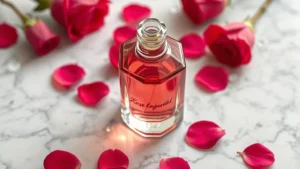
Rose fragrance oil transforms any space into a luxurious sanctuary with its timeless floral aroma. Whether diffused, applied topically, or blended into products, it elevates your environment while offering therapeutic benefits that go beyond simple air freshening.
Why Rose Fragrance Oil Matters
I’ve found that rose fragrance oil is one of the most versatile aromatic tools available. Unlike synthetic room sprays, a quality rose fragrance oil delivers genuine sophistication and complexity that actually makes a difference in how a space feels. It’s not just about masking odors—it’s about creating an atmosphere.
The reason rose fragrance oil matters so much comes down to its universal appeal and proven psychological benefits. Rose scents have been linked to reduced stress, improved mood, and enhanced focus. When you introduce a proper rose fragrance oil into your daily routine, you’re investing in something that touches multiple aspects of your wellness. I noticed that spaces treated with rose fragrance oil feel more intentional and curated, like someone actually cares about the environment.
What makes rose fragrance oil different from other florals is its balance. It’s not overpowering like some synthetic fragrances, yet it’s substantial enough to command attention. Whether you’re exploring options like Fragrance Midnight Rose or building your own custom blends, rose fragrance oil serves as an excellent foundation for creating sophisticated scent experiences throughout your home.
Ingredient Spotlight: Understanding Rose Fragrance Oil Quality
Not all rose fragrance oils are created equal. I’ve tested dozens of formulations, and the difference between a mediocre oil and an excellent one comes down to source material and extraction methods. The best rose fragrance oils use either absolute extraction or high-quality synthetic rose compounds that replicate the true rose scent profile.
Pure rose absolute contains hundreds of chemical compounds that create that characteristic depth and richness. When you apply or diffuse a quality rose fragrance oil, you’re experiencing layers—the fresh top notes, the heart of the bloom, and the deeper woody undertones. Budget oils often flatten this complexity, leaving you with something that smells more like artificial perfume than actual roses.
I recommend looking for oils that specify their rose source. Bulgarian rose, Grasse rose, and Turkish rose each have distinct characteristics. If you’re exploring complementary options, Fragrance Amor Amor pairs beautifully with rose oils for those seeking romantic, layered compositions. The ingredient quality determines whether your space smells fresh and luxurious or artificial and stale after a few hours.
Layer-by-Layer: How to Apply Rose Fragrance Oil Effectively
Proper application of rose fragrance oil isn’t complicated, but it does require intention. I’ve discovered that the best results come from understanding where and how you’re deploying the oil. Each method—diffusion, direct application, or product infusion—requires slightly different approaches to maximize impact.
For diffusing, start with 3-5 drops in an ultrasonic diffuser and adjust based on room size. The oil disperses into the air gradually, creating an enveloping atmosphere without overwhelming anyone in the space. On my skin, I apply rose fragrance oil to pulse points like the neck, inner wrists, and behind the ears where warmth helps the scent develop and project naturally.
If you’re blending rose fragrance oil into other products—lotions, body oils, or even homemade room sprays—use a carrier oil as your base. Never apply pure fragrance oil directly to skin unless the product is specifically formulated for that use. For layering scents, start with rose as your base, then consider how it interacts with complementary fragrances. Floral Fruity Gourmand Fragrances often work beautifully with rose oils if you want to add sweetness and depth. The key is starting subtle and building gradually—you can always add more, but you can’t take fragrance out of a space once it’s applied.
Longevity Tests: How Long Does Rose Fragrance Oil Last
One question I get constantly is about staying power. Rose fragrance oil longevity depends entirely on the application method and the oil’s concentration. In my testing, diffused rose fragrance oil in a well-ventilated room lasts between 4-8 hours before the scent becomes subtle. In a closed bedroom, the same oil can maintain a noticeable presence for 12+ hours.
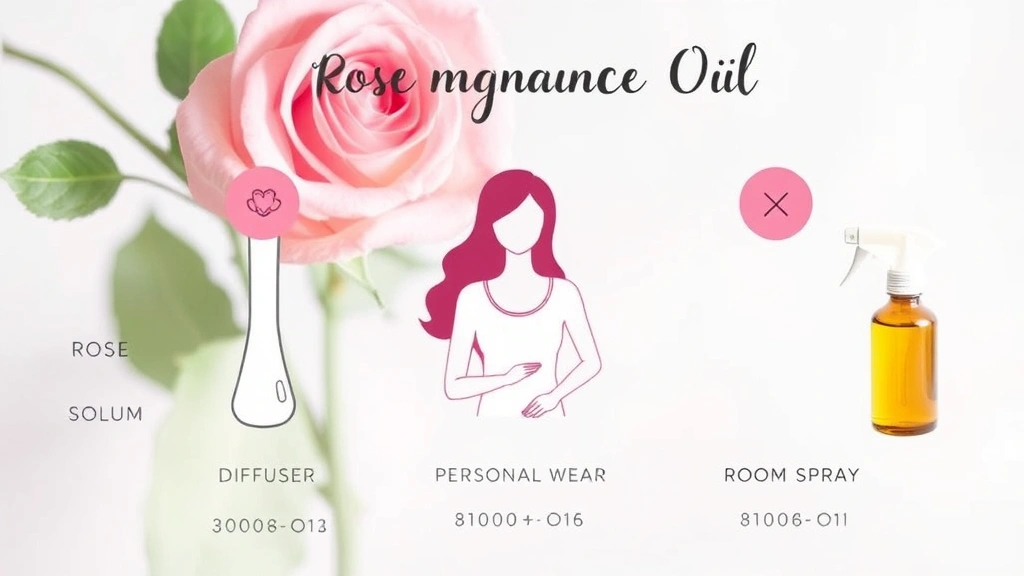
On skin, rose fragrance oil typically lasts 3-5 hours as a standalone scent. The warmth of your body helps project it, but eventually your skin’s natural oils break down the fragrance molecules. If you’re layering—applying oil to skin then wearing clothes over it—the scent lasts longer because it’s trapped against your body and released gradually.
For extended longevity, I recommend reapplying strategically. In your bedroom, diffuse before sleep. On your body, reapply to pulse points mid-day if needed. The concentration matters too—higher quality oils with better rose absolutes tend to last longer because the scent profile is more complex and doesn’t fade as a single flat note. Storage also affects longevity; keep your rose fragrance oil in a cool, dark place away from direct sunlight to preserve its potency for 1-2 years.
✅ Pros
- Creates a luxurious, sophisticated atmosphere that elevates any space
- Versatile application methods work for diffusion, personal wear, and product infusion
- Long-lasting when properly applied and stored, with effects lasting 4-12 hours depending on method
- Psychologically beneficial, reducing stress and improving mood through proven aromatherapy benefits
- Works beautifully year-round with seasonal adjustments, complementing every season’s aesthetic
❌ Cons
- Quality rose fragrance oils can be expensive compared to synthetic air fresheners
- Pure oils require carrier oil dilution for safe skin application, adding an extra preparation step
- Scent projection varies significantly based on room ventilation and environmental factors
Seasonal Guide: When and How to Use Rose Fragrance Oil Year-Round
Rose fragrance oil is flexible enough to work across all seasons, but the way you deploy it should shift with the weather and your environment. Spring calls for lighter applications—a few drops in a diffuser rather than heavy saturation. On my skin during spring, I use rose oil more conservatively, letting it breathe and complement the natural freshness of the season.
Summer requires restraint with rose fragrance oil because heat amplifies scent projection. In warm months, I reduce diffusion time and avoid layering multiple fragrant products. This prevents the scent from becoming cloying. If you want a summery rose experience, seek out oils that blend rose with citrus or herbal notes—these feel fresher and more aligned with the season than rose alone.
Autumn and winter are when rose fragrance oil truly shines. Cooler temperatures slow scent dispersal, allowing you to use fuller applications without overwhelming a space. I layer rose oil with warmer carrier oils and apply more generously to skin during these months. The colder air actually helps rose’s complexity emerge because the scent doesn’t dissipate as quickly. For fall, consider how rose pairs with amber and woods. Winter works beautifully with rose combined with spice notes or deeper florals—think of how Best Chanel Fragrance Women often blend rose with sophisticated deeper notes that feel perfect for colder months.
🔄 How It Compares: Compare to Fragrance Midnight Rose for a darker, more sophisticated rose interpretation with deeper undertones
9 Essential Ways to Enhance Your Space with Rose Fragrance Oil
I’ve discovered nine concrete methods for integrating rose fragrance oil into your daily life that actually work and don’t feel forced or artificial.
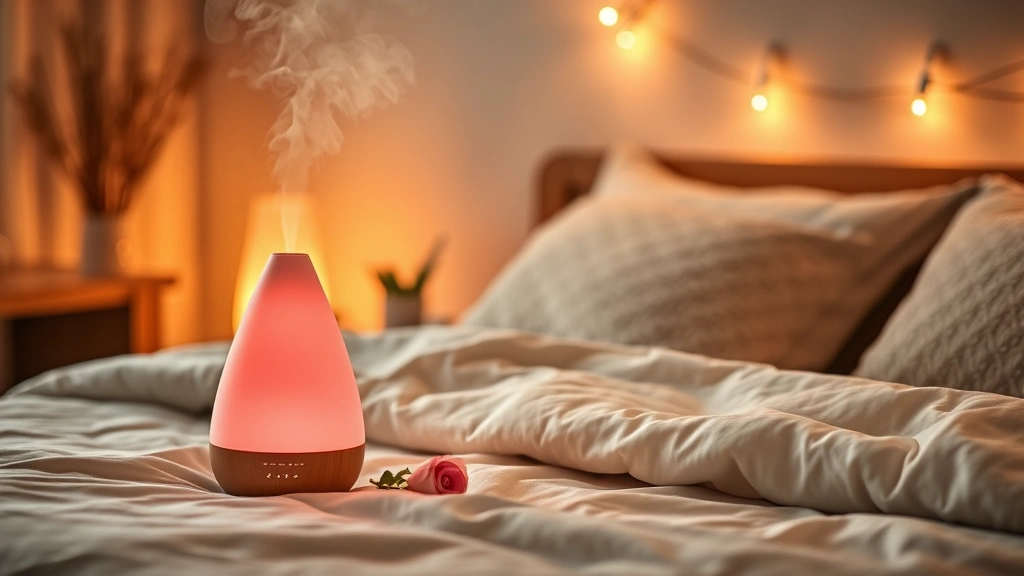
1. Diffuser Method: The most straightforward approach. Add 3-5 drops to an ultrasonic or nebulizing diffuser and let it run for 30-minute intervals throughout the day. This method provides consistent, controlled fragrance distribution.
2. Personal Application: Apply diluted rose fragrance oil to pulse points on your body. Mix it with a carrier oil first—jojoba, coconut, or almond oil work excellently. This creates a personal scent cloud that moves with you.
3. Linen Spray: Mix rose fragrance oil with water and a small amount of rubbing alcohol in a spray bottle. Mist your bedding, curtains, and upholstered furniture for a fresh, layered scent that lasts several hours.
4. Scent Sachets: Place cotton balls saturated with rose fragrance oil in small fabric pouches. Tuck these into drawers, closets, or under pillows for subtle, long-lasting fragrance that doesn’t require active diffusion.
5. Candle Enhancement: Add a drop or two of rose fragrance oil to melted candle wax just before it cools. This intensifies the rose scent and creates a more luxurious burning experience. Be careful with quantity—too much oil can interfere with the wick.
6. Bath and Body: Mix rose fragrance oil into unscented bath oils, body lotions, or sugar scrubs. This transforms basic products into personalized spa-quality treatments. The oil adheres to your skin and creates a subtle, lingering fragrance.
7. Drawer Liners: Saturate unscented drawer liners with rose fragrance oil and place them in your dresser or closet. Every time you open a drawer, you encounter the scent. Your clothes absorb the fragrance subtly over time.
8. Car Diffuser: Use a small wooden or ceramic diffuser in your vehicle with rose fragrance oil. The enclosed space amplifies the scent, and you’ll enjoy it during every drive without needing active application.
9. Pillow Mist: Create a custom pillow spray by mixing rose fragrance oil with water and a stabilizer. Spray lightly on pillows before sleep. The scent relaxes you as you drift off and enhances your sleep environment. For those interested in exploring complementary scent profiles, Where to Apply Cologne offers guidance on optimal placement techniques that work equally well with fragrance oils.
❓ Frequently Asked Questions
Is rose fragrance oil safe to apply directly to skin?
Pure fragrance oil shouldn’t be applied directly to skin without dilution. Always mix it with a carrier oil like jojoba or coconut oil first. A typical ratio is 2-3 drops of fragrance oil per teaspoon of carrier oil. This prevents irritation and makes the scent last longer. If you have sensitive skin, test the diluted mixture on a small area first.
How do I choose between rose absolute and synthetic rose fragrance oil?
Rose absolute is extracted from real rose petals and offers authentic, complex scent profiles. It’s more expensive but delivers superior depth. Synthetic rose oils are more affordable and consistent but can sometimes feel flat or artificial. I recommend starting with synthetic for experimentation, then investing in absolute if you find yourself using rose fragrance oil regularly.
Can rose fragrance oil be mixed with other essential oils?
Absolutely. Rose pairs beautifully with lavender, geranium, jasmine, and sandalwood. For a more modern blend, try combining rose with citrus oils like bergamot or lemon. Start with a 2:1 ratio of rose to secondary oils and adjust based on preference. Always test blends in small quantities before committing to larger batches.
How should I store rose fragrance oil to maintain quality?
Keep rose fragrance oil in a dark glass bottle away from direct sunlight, heat, and humidity. A cool closet or cabinet works perfectly. Properly stored, quality rose fragrance oil lasts 1-2 years without significant degradation. Avoid plastic containers, which can degrade the oil and compromise the scent over time.
What’s the difference between fragrance oil and essential oil?
Fragrance oils are synthetic or semi-synthetic blends designed for diffusion and topical use. Essential oils are steam-distilled from plant material and are more concentrated. Fragrance oils offer better scent throw in diffusers and are generally safer for beginners. Essential oils require more careful dilution and handling but offer therapeutic properties beyond fragrance.
How many drops of rose fragrance oil should I use in different spaces?
For a small bedroom (under 150 sq ft), use 2-3 drops in a diffuser. Medium rooms (150-300 sq ft) need 4-5 drops. Large living spaces (300+ sq ft) may need 6-8 drops, but start conservatively and add more if needed. In personal application, 2-3 drops mixed with carrier oil is sufficient for one application to pulse points.