⚡ Quick Answer
Candle fragrance transforms your space by creating ambiance and mood through scent. The right choice depends on room size, ventilation, and personal preference—from clean florals to warm woody notes.
Why Candle Fragrance Matters for Your Home
I’ve noticed that candle fragrance does something perfume alone can’t—it fills an entire room with scent in a way that feels natural and welcoming. When you light a candle, the fragrance slowly diffuses through heat, creating layers of aroma that change as you move through your space. Unlike sprays or diffusers, candle fragrance builds gradually, which means you won’t get that overwhelming hit of scent that fades too fast.
The beauty of choosing the right candle fragrance is that it becomes part of your home’s personality. A well-selected scent can make guests feel comfortable, help you relax after work, or energize a room that feels stale. The warmth of the flame combined with fragrance creates a sensory experience that engages both smell and sight.
Candle fragrance works differently depending on room size and air flow. A bedroom needs something subtle and calming, while a living room can handle bolder, more complex scents. Understanding these differences helps you pick fragrances that actually work in your space instead of just smelling good in the store.
Understanding Candle Fragrance Notes and Ingredients
When you burn a candle, you’re releasing fragrance compounds that have been carefully blended. Most quality candle fragrances use a combination of top, middle, and base notes. Top notes hit you first—think citrus or fresh herbal scents that fade in 15-30 minutes. Middle notes emerge next and last longer, often featuring floral or spice elements. Base notes anchor everything, providing depth and longevity through woody, musky, or vanilla components.
The ingredient quality matters more than you’d think. Natural fragrance oils tend to perform better in candles than synthetic ones because they hold their scent longer as the candle burns. I’ve found that candles made with fragrance oils from reputable suppliers smell more consistent throughout the burn, while cheaper alternatives can smell plastic-like or fade quickly.
If you’re interested in specific fragrance families, Demeter Fragrance offers single-note candles that are pure and straightforward. For something sweeter, Sweet Fragrance Perfumes style candles work beautifully in bedrooms. Those who prefer earthy tones might explore Fougere Fragrance candles, while Woody Floral Musk Fragrance candles create sophisticated living room environments.
How Candle Fragrance Develops as It Burns
The first moment you light a candle is different from 30 minutes in. I always give a new candle at least 15 minutes before deciding if I like it, because the fragrance evolves. When the flame first ignites, you smell the top notes most intensely. These are usually bright, citrusy, or herbal—they grab your attention but don’t stick around long.
As the wax melts and the candle reaches its optimal scent throw (the distance fragrance travels), the middle notes emerge. This is where the real character appears. A candle might start with bergamot brightness but reveal a floral heart of jasmine or rose underneath. This middle phase lasts the longest and is usually what you remember about the scent.
In the final stages of a candle’s burn, base notes dominate. Warm vanilla, musk, cedarwood, or amber create the lingering impression that sticks with you after you blow out the flame. Some candles finish strong, while others fade. That’s where wick quality and fragrance load come in—they determine whether the scent stays consistent or diminishes.
Understanding this progression helps you choose candles for different times. Morning candles might lean into fresh top notes, while evening candles benefit from richer base note profiles that feel cozy and grounding.
Testing Candle Fragrance Performance in Real Spaces
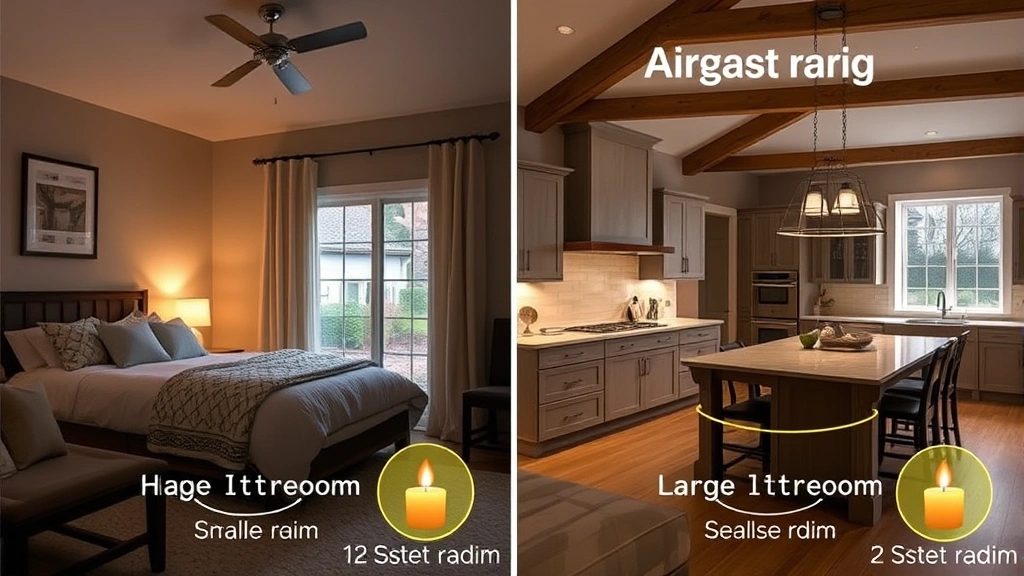
I’ve tested candles in various rooms, and the results aren’t always what you’d expect. A candle that smells amazing in a 10×10 bedroom might barely make a dent in a large open-concept kitchen. Room size, ceiling height, air circulation, and even humidity affect how well a candle fragrance performs.
In smaller bedrooms, a 3-ounce candle with moderate fragrance load performs well—you get scent without it being overwhelming when you’re sleeping. In living rooms and kitchens, you typically need a larger candle or a stronger fragrance concentration to fill the space effectively. I noticed that opening windows or running a ceiling fan dramatically reduces scent throw, so if your space gets a lot of air movement, opt for candles with higher fragrance loads.
Burn time also matters. Quality candles should burn for the time stated on the label. I’ve had candles that only lasted half the promised hours because the wick wasn’t right or the wax composition was poor. When testing, always check that the melted wax pool reaches the edge of the container—if it doesn’t, the candle is tunneling and wasting fragrance.
The best approach is to light a test candle and wait 30 minutes, then assess. Can you smell it clearly from across the room? Does it smell natural or artificial? Is it pleasant or do you get headaches? These real-world tests beat any marketing claim.
✅ Pros
- Creates ambient atmosphere and mood in any room within minutes
- Longer-lasting scent experience than spray air fresheners or diffusers
- Fragrance develops and evolves as the candle burns through different note phases
- Works in any space without needing electricity or batteries
- Can be customized by room—choose different fragrances for bedrooms, living rooms, kitchens
- Adds visual appeal with flame alongside scent experience
❌ Cons
- Fragrance performance depends on room size, ventilation, and candle quality—results aren’t guaranteed
- Requires active burning, so you can’t have fragrance without the flame and heat
- Strong fragrances can become cloying or trigger headaches if overused in small spaces
Choosing Candle Fragrance by Season and Mood
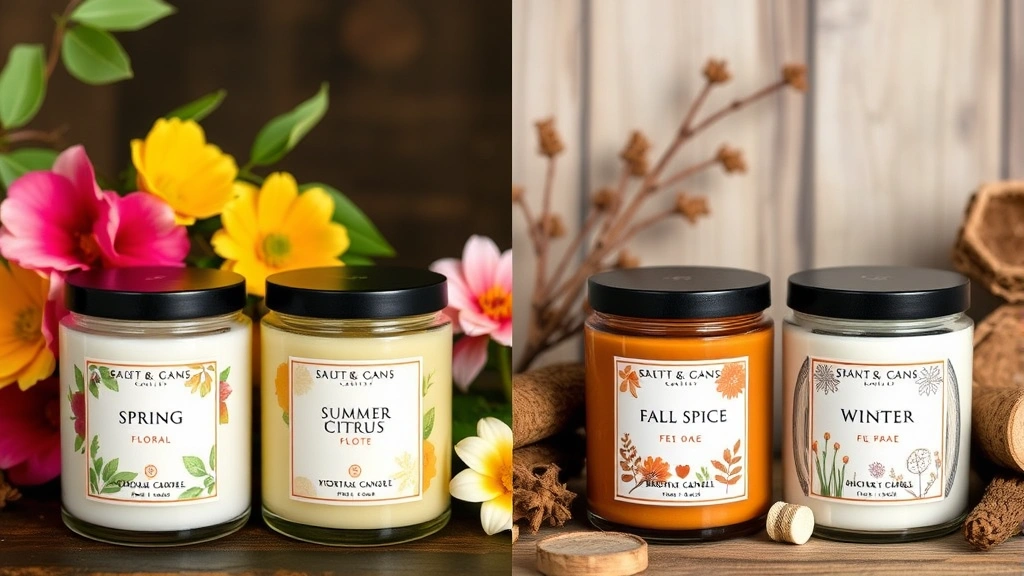
Spring calls for fresh, airy candle fragrances. Citrus, green florals, and herbal notes like lavender or mint work beautifully. I gravitate toward candles with notes of lemon, hyacinth, or fresh-cut grass in spring because they feel light and optimistic without being heavy.
Summer candles should be crisp and clean. Ocean-inspired fragrances, tropical fruits, and cooling herbal scents feel right. Coconut, sea salt, watermelon, or cucumber-based candles work well if you’re running air conditioning—they won’t feel cloying in cooler spaces.
Fall is where candle fragrance gets cozy. Warm spices like cinnamon, clove, and nutmeg shine. Pumpkin, apple, and amber notes dominate for good reason—they create the comfort you crave as temperatures drop. These heavier fragrances work best in moderate-sized spaces because they project well.
Winter candles lean into gourmand and woody territories. Vanilla, caramel, cedar, pine, and frankincense create warmth. I find that darker, richer fragrances feel appropriate when it’s cold outside. A woody candle with musk undertones feels luxurious during winter in a way it wouldn’t in July.
Beyond seasons, consider your mood. Stressful work weeks benefit from calming lavender or chamomile candles. Social gatherings call for welcoming, sophisticated scents. Solo relaxation time is perfect for indulgent vanilla or warm amber candles.
💡 Pro Tip: Always trim candle wicks to 1/4 inch before lighting to prevent tunneling and maximize fragrance release
Getting the Most Value From Your Candle Fragrance Investment
Candle fragrance quality varies wildly in price, and expensive doesn’t always mean better. I’ve found that mid-range candles (around $25-40) often offer the best balance of fragrance quality, burn time, and value. Luxury candles above $60 are sometimes worth it for specific scents you love, but budget options under $15 frequently disappoint with weak fragrance or short burn times.
The fragrance load—how much scent oil is in the wax—determines performance more than the brand name. A 8-ounce candle with 8% fragrance load will smell stronger than a 12-ounce candle with 5% load. Check product descriptions or ask retailers about fragrance concentration if you want consistent performance.
Soy and paraffin wax hold fragrance differently. Soy wax holds fragrance oils well and burns cleaner, but paraffin wax often provides better scent throw. Blended waxes sometimes offer the best of both worlds. Your choice should depend on whether you prioritize environmental impact or maximum fragrance performance.
To maximize value, buy candles on sale when possible, store them away from direct sunlight (which fades fragrance), and always trim wicks to prevent tunneling. A well-maintained candle lasts longer and performs better, making even mid-priced options feel like great investments.
You might also explore How to Layer Fragrances techniques by combining complementary candle scents in different rooms for a cohesive home fragrance experience.
❓ Frequently Asked Questions
How long does candle fragrance typically last?
Most quality candles burn for 20-50 hours depending on size and wax type. The fragrance is released throughout the burn, so you get scent the entire time. Once you blow out the candle, the fragrance lingers in your space for 1-4 hours depending on room ventilation.
Why does my candle smell stronger on the first burn?
You’re experiencing the “cold throw” effect combined with fresh fragrance. As wax melts for the first time, fragrance releases quickly. After multiple burns, the candle’s fragrance load decreases, so scent throw naturally reduces. This is normal and doesn’t mean the candle is defective.
Can I use candle fragrance in other ways besides burning?
Yes. Some people place unlit candles in closets or drawers for subtle scent. You can also use candle fragrance oils in diffusers, though they’re formulated for candles specifically so performance may vary. Never ingest candle fragrance or apply it to skin like perfume.
What’s the difference between candle fragrance and perfume fragrance?
Candle fragrance is formulated to release slowly through heat and work in large spaces. Perfume fragrance is designed for skin and requires alcohol as a carrier. Candle fragrance oils are often stronger and more stable at high temperatures than perfume-grade oils.
How do I choose candle fragrance for a large room?
Look for larger candles (12+ ounces) with stated fragrance loads of 8% or higher. Test the scent throw before buying if possible. Consider the room’s air circulation—open spaces need stronger fragrances. Multiple smaller candles sometimes work better than one large candle.
Are natural candle fragrances better than synthetic ones?
Natural fragrances tend to smell more complex and age better, but synthetic ones can be excellent too. Quality matters more than natural vs. synthetic. Some of the best candles use blended fragrance oils combining both types for optimal performance and scent profile.