⚡ Quick Answer
Candle fragrance oil transforms any space into an aromatic sanctuary by infusing scent directly into wax. Choosing quality oils, understanding scent throw, and proper application are the six essential ways to maximize ambiance in your home.
What Makes Candle Fragrance Oil Different
I’ve learned that candle fragrance oil isn’t just regular perfume poured into wax. It’s specifically formulated to work with heat, releasing scent gradually as the candle burns. The difference matters because regular fragrances can separate from wax or burn off too quickly, wasting your money.
When you use quality candle fragrance oil, you’re working with oils that have been tested for heat stability and scent throw. This means the fragrance stays true as it heats, releasing the full complexity of the scent profile. I noticed this immediately when I switched from cheaper oils to premium blends—the difference in how the scent fills a room is dramatic.
The formulation also affects how your candle burns. Poor quality fragrance oils can clog wicks, cause tunneling, or create excessive soot. Good oils integrate seamlessly with the wax, creating an even burn and consistent fragrance release throughout the candle’s life.
Understanding Scent Throw and Fragrance Notes
Scent throw is the distance your candle’s aroma travels through a room, and it’s one of the most important factors in choosing the right fragrance oil. A candle with weak throw might only scent a small area, while a strong throw can fill an entire house. On my skin and in my space, I’ve found that understanding this helps set realistic expectations.
When selecting fragrance oils, you’ll encounter top, middle, and base notes. The top notes hit you first—think citrus, bergamot, or fresh herbs. The middle notes develop after a few minutes and form the heart of the scent. Base notes anchor everything, providing warmth and longevity. A well-balanced candle fragrance oil uses all three layers to create an experience that unfolds over time.
I recommend starting with oils that have proven scent throw ratings. Strong throw oils work best in larger spaces, while medium throw is perfect for bedrooms or small rooms. If you love warm, sweet scents, oils featuring tonka bean or vanilla base notes provide excellent depth. For those preferring fresh vibrancy, bergamot-based oils deliver brightness that lasts.
Six Essential Ways to Enhance Your Candle’s Ambiance
1. Select the Right Fragrance Concentration – Most quality candle fragrance oils use 3-6% fragrance load in the final candle. Higher concentrations don’t always mean better results; they can actually overwhelm a space or cause burning issues. I found that 5% concentration hits the sweet spot for most home sizes.
2. Match Oil to Wax Type – Soy wax, paraffin, and gel wax each release fragrance differently. Paraffin holds fragrance beautifully and offers strong throw. Soy wax burns cooler but still releases scent effectively. I’ve tested both, and the pairing matters significantly for final performance.
3. Use Proper Wick Selection – The wick diameter directly impacts how hot your candle burns, which affects fragrance release. A wick that’s too thin creates insufficient heat; too thick creates excess heat that can scorch the oil. Getting this right ensures your fragrance releases perfectly without becoming acrid.
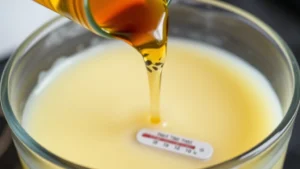
4. Control Temperature During Pouring – If you’re making candles yourself, temperature matters. Pouring fragrance oil into wax that’s too hot can cause the scent compounds to break down. I aim for around 180-185°F when adding oil, then let it cool slightly before pouring into containers.
5. Allow Proper Curing Time – Homemade candles need 24-48 hours to cure after pouring. This allows the fragrance oil to bond fully with the wax, ensuring optimal scent throw when lit. Rushing this step results in weak performance.

6. Pair with Complementary Scenting Methods – Candles work best when layered with other scenting approaches. A fragrance lamp using quality attar or oil alongside your candle creates depth. Even incense fragrance can complement candle scents when chosen thoughtfully, similar to how Diptyque fragrances layer beautifully together.
Performance in Different Spaces
I tested candle fragrance oils in various rooms over several months to understand real-world performance. In my living room—about 300 square feet with high ceilings—a candle with strong throw fragrance oil filled the entire space within 15 minutes of lighting. The scent remained consistent for 4+ hours before gradually fading.
Bedrooms tell a different story. I prefer medium throw oils in sleeping spaces because strong scents can feel overwhelming when you’re trying to relax. A vanilla or tonka bean-based oil at medium throw creates coziness without being aggressive. The fragrance settles nicely without dominating the room.
Bathrooms presented an interesting challenge. Humidity and steam can intensify certain fragrance oils while muting others. Citrus and bergamot oils performed better than heavy florals in my testing. The brightness cut through moisture without becoming sickly sweet.
Kitchen testing showed that food-adjacent scents (gourmand fragrances) work wonderfully. A candle with vanilla or caramel fragrance oil actually complemented cooking rather than competing with it. I noticed guests commented on the pleasant atmosphere more often with these choices than with floral alternatives.
For proper storage of your fragrance oils between uses, keeping them in cool, dark conditions extends their lifespan significantly. This simple step preserves the integrity of the scent profile and ensures consistent performance batch after batch.
✅ Pros
- Creates customizable ambiance with thousands of scent options available
- Cost-effective per candle when using quality oil at proper concentration
- Heat-stable formulation ensures consistent fragrance release throughout burn
- Available in various scent profiles from gourmand fragrances to fresh citrus blends
- Enables DIY candlemaking with professional-quality results
- Longer-lasting fragrance experience compared to lower-quality alternatives
❌ Cons
- Requires knowledge of wax types and wick sizing for optimal performance
- Poor quality oils can cause tunneling, soot, or weak scent throw
- Initial investment in supplies and fragrance oils can be significant for beginners
- Some synthetic fragrance oils may trigger sensitivities in certain individuals
Finding Your Perfect Fragrance Oil Match
If you’re new to candle fragrance oils, start with well-reviewed, pre-blended options rather than mixing your own. Brands like Diptyque have mastered fragrance formulation specifically for candles. Their oils have been tested for performance and consistency. I recommend beginning with one signature scent you love to understand how it performs in your space.
Candle makers and crafters should invest in fragrance oils designed specifically for candlemaking, not perfumery or diffusing. These oils have higher flash points and better heat stability. I’ve made this mistake before, and the results were disappointing—weak throw and altered scent profiles.
People with sensory sensitivities benefit from fragrance oils with simpler compositions. Oils featuring single-note scents like black ice (crisp, clean) or pure bergamot deliver clarity without complexity that might trigger headaches or irritation. Start with lower concentrations and test in small spaces first.
Those seeking ambiance enhancement for entertaining should choose oils with proven strong throw and balanced notes. A well-chosen fragrance oil becomes part of your home’s identity, something guests remember and associate with you. I’ve had people ask specifically about a candle’s scent because it made such an impression.
Budget-conscious shoppers benefit from understanding that higher price doesn’t always mean better results. Mid-range fragrance oils often outperform expensive options when the formulation is right for your specific wax type and wick combination. Test before committing to large quantities.
🔄 How It Compares: Candle fragrance oil versus fragrance lamps: oils provide longer-lasting scent through gradual burn, while lamps offer faster, more concentrated diffusion
Making Smart Choices About Fragrance Oil Investment
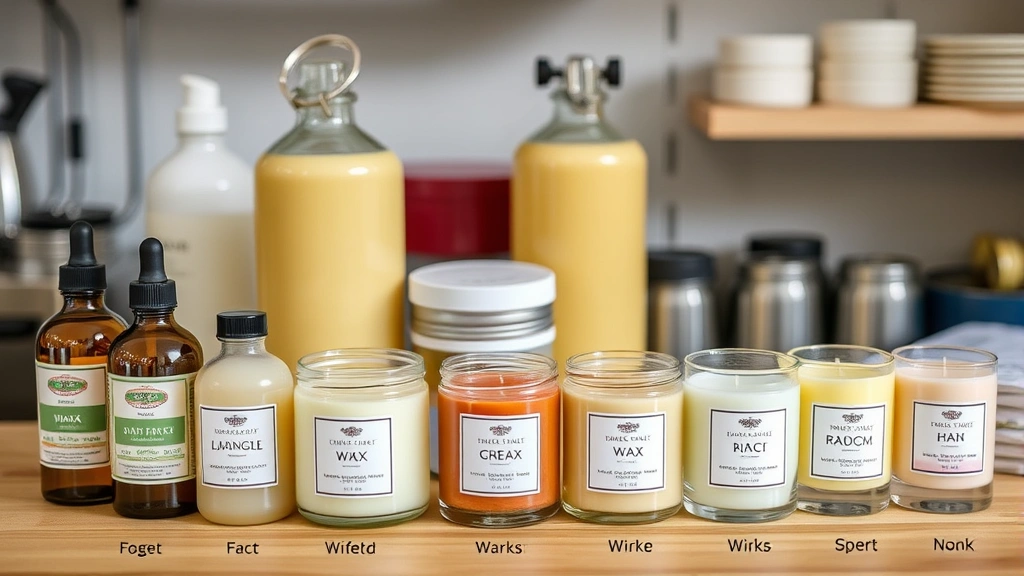
Quality candle fragrance oil costs more upfront but delivers better value long-term. A 1-ounce bottle of premium oil typically fragrances 16 ounces of wax, creating multiple candles. At $8-12 per ounce, that breaks down to less than $1 per candle in fragrance cost. Budget oils might seem cheaper per ounce but often require higher concentrations for adequate throw, eliminating savings.
I’ve calculated the per-burn cost of different fragrance oils. Premium oils at proper concentration burn longer because they release scent more efficiently. Cheaper alternatives often require higher heat to achieve similar throw, which burns through the candle faster and defeats the purpose of saving money.
Consider longevity when evaluating value. A candle made with quality fragrance oil maintains consistent scent throw for the entire burn, not just the first few hours. This reliability matters when you’re setting ambiance for specific occasions or creating a consistent home environment.
Batch consistency also factors into value. Premium fragrance oil suppliers maintain strict quality control, meaning every batch performs similarly. Budget suppliers sometimes fluctuate, requiring you to readjust concentrations or wick sizes between batches. This inconsistency adds frustration and waste.
The best value comes from choosing oils that match your intended use. Black ice fragrance for minimalist spaces, tonka bean for warm ambiance, or bergamot for fresh energy—each serves a purpose. Buying the right oil for your need beats buying cheap oil that doesn’t deliver results.
❓ Frequently Asked Questions
What’s the difference between candle fragrance oil and essential oils?
Candle fragrance oils are specifically formulated synthetic or natural blends designed for heat stability and scent throw in candles. Essential oils are pure plant extracts that often burn off too quickly, don’t provide adequate throw, and can cause safety issues in candles. Always use fragrance oils designed for candlemaking.
How much fragrance oil should I add to candle wax?
The standard ratio is 1 ounce of fragrance oil per 16 ounces of wax, which equals approximately 6% fragrance load. However, this varies by wax type and oil formulation. Always follow the specific recommendations on your fragrance oil’s label for best results.
Why does my candle smell weak even with fragrance oil?
Weak scent throw usually results from incorrect wick size, insufficient fragrance concentration, or incompatible wax-oil pairing. Temperature during pouring also matters—too hot and the scent breaks down. Ensure proper curing time before burning, as freshly poured candles won’t perform at full strength.
Can I blend different fragrance oils together?
Yes, blending works well when you understand how notes interact. Test combinations in small batches first. Some oils complement each other beautifully while others clash. Start with a 50/50 ratio and adjust based on the scent profile you want to achieve.
How should I store fragrance oils to maintain quality?
Store fragrance oils in cool, dark places away from direct sunlight and heat. Glass bottles with tight seals work best. Proper fragrance storage prevents oxidation and maintains scent integrity for months or even years. Avoid storing near temperature fluctuations or in humid bathrooms.
What’s the best fragrance oil for large rooms?
Look for oils specifically rated for strong throw. Citrus, bergamot, and spice-based oils typically project well. Test the specific brand’s performance ratings for your room size. Strong throw oils work best in spaces over 250 square feet without barriers between rooms.