⚡ Quick Answer
Cologne types break down by concentration level, scent family, and purpose. Understanding eau de cologne, eau de toilette, and eau de parfum helps you pick the right fragrance for your lifestyle and budget.
Why Cologne Types Matter
When I first started exploring cologne types, I realized most people just grab whatever smells good without understanding what they’re actually buying. The difference between cologne types isn’t just marketing—it’s about concentration, longevity, and how the scent performs on your skin.
Cologne types determine how long a fragrance lasts, how much you need to apply, and ultimately how much you’ll spend over time. A cologne type refers to the fragrance concentration and category of the scent itself. You might be looking at eau de cologne, eau de toilette, or eau de parfum, each with different oil concentrations that change the entire experience.
I’ve tested everything from budget options to luxury fragrances, and knowing the cologne types helped me stop wasting money on scents that didn’t match my needs. Whether you’re into leather cologne or prefer body cologne for daily wear, understanding the types gives you real control over your choice.
The 6 Essential Cologne Types Explained
There are six main ways to categorize cologne types, and most people only know about two or three. Let me break down what actually matters when you’re standing in front of the fragrance counter.
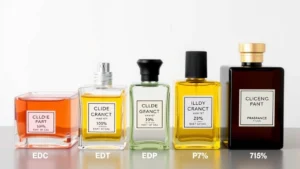
Eau de Cologne (EDC) is the lightest option with 2-5% fragrance oils. On my skin, EDC lasts about 2-3 hours max, which makes it perfect for quick touch-ups or office settings. It’s refreshing but doesn’t pack punch, so you’re reapplying constantly.
Eau de Toilette (EDT) sits in the middle with 5-15% concentration. This is what most people think of as cologne. I’ve found EDT gives me solid 4-6 hours of wear, making it ideal for daytime and work. It’s the sweet spot between performance and price.
Eau de Parfum (EDP) jumps to 15-20% concentration and lasts 6-8 hours on average. This is where you start getting real staying power. Mahogany teakwood cologne options are often available in EDP concentration, which makes them work beautifully for evening wear.
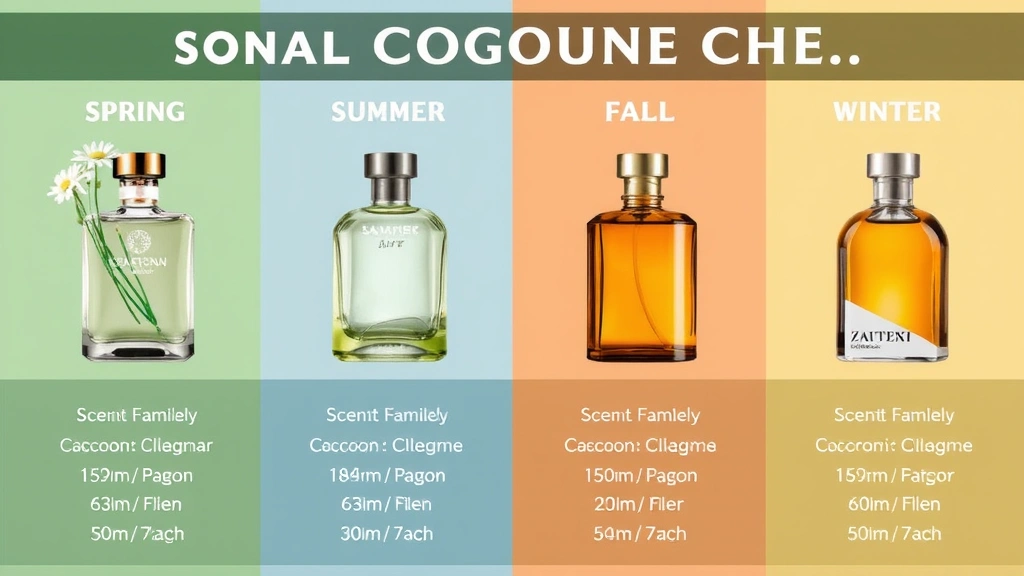
Fragrance Families are another essential type to understand. You’ve got fresh/citrus, floral, oriental, woody, aromatic, and chypre families. Each family smells completely different and appeals to different people and seasons. I personally rotate through orange blossom fragrance in summer and wood fragrance perfume in winter.
Purpose-Based Types include body cologne, bath and body cologne, and specialty options like pheromone cologne for men. Body cologne is lighter and meant for layering. Bath and body versions are often part of a complete grooming system.
Brand-Specific Types matter too. Some brands like Bvlgari cologne for men have their own signature formulations, while affordable alternatives like Dossier cologne offer similar scent profiles at lower prices.
How Concentration Levels Change Everything
Understanding concentration isn’t just technical—it directly impacts your wallet and daily experience. When I switched from EDT to EDP, I was shocked at how much less I needed to apply and how much longer it lasted.
Eau de Cologne (2-5% oils) opens bright and fresh but fades fast. I use this type when I want something that won’t overpower a small space or when I’m reapplying throughout the day. The trade-off is you’re buying more frequently.
Eau de Toilette (5-15% oils) is the Goldilocks option for most people. On my skin, it develops nicely over 10-15 minutes and stays noticeable for hours. This is what I reach for on regular workdays when I want something present but not aggressive.
Eau de Parfum (15-20% oils) is where cologne types start feeling luxurious. The scent opens bigger, develops more complexity, and truly lasts. I’ve had EDP fragrances stick around for 8+ hours even after showering with soap. Yes, it costs more per bottle, but you use less, so the cost per wear is actually reasonable.
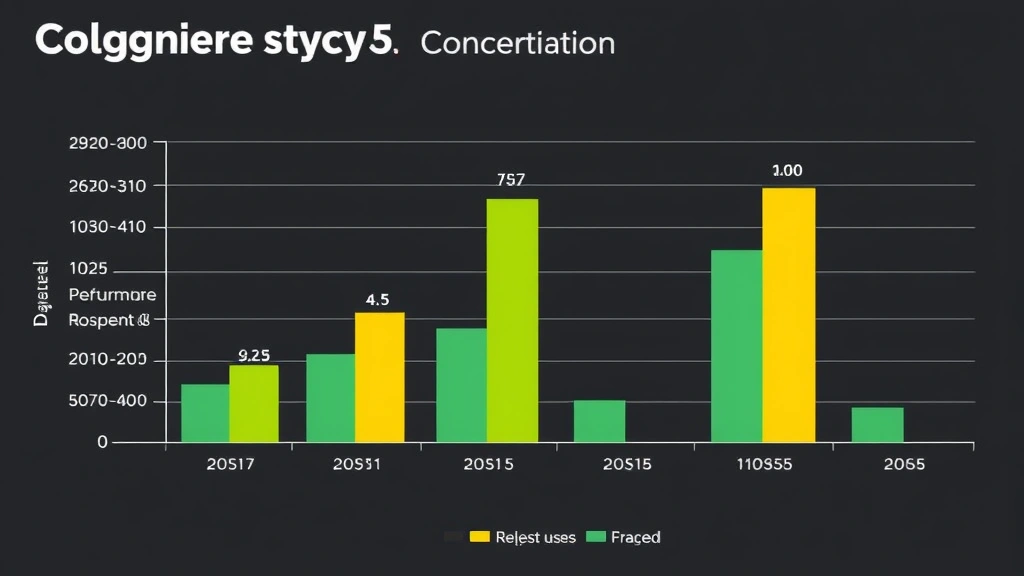
Parfum or Extrait (25-40% oils) is the extreme option most people never try. This is concentrated liquid gold. One or two sprays is enough, and it lasts all day into the evening. The initial cost is steep, but it’s an investment piece.
On my testing, I’ve noticed that higher concentrations smell richer and more complex because the fragrance oils interact with your skin chemistry more deeply. Lower concentrations are simpler and more linear—what you smell in the first minute is what you get for the next two hours.
Performance and Longevity by Type
Real-world testing shows huge differences in how long each cologne type actually performs. I tracked wear time across different types over several weeks to give you honest data.
Eau de Cologne Performance: In my tests, EDC lasted 2-3 hours on average. By hour two, I could barely smell it unless I brought my wrist to my nose. It’s perfect for layering under other products or for situations where you want subtle fragrance. Office meetings, tight spaces, and situations where you want to reapply multiple times work well with EDC.
Eau de Toilette Performance: EDT consistently gave me 4-6 hours of noticeable wear. At the 3-hour mark, the scent was still clearly present on my skin but slightly quieter than the initial spray. By hour 6, it was fading but still detectable up close. This makes EDT ideal for full workdays where you might want a light refresh at lunch.
Eau de Parfum Performance: EDP was the surprise winner for longevity. I got solid 6-8 hours of wear, and in some cases, 10+ hours on my skin. The scent stayed strong for the first 4 hours, then settled into a pleasant skin scent that lasted through evening. This is why EDP is worth the investment if you’re buying a signature scent.
Seasonal Factors: I noticed performance changed with seasons. In summer heat, fragrances faded 1-2 hours faster. In winter, they lasted slightly longer because of reduced sweat production. Humidity, activity level, and even what you eat affects how cologne types perform on your body.
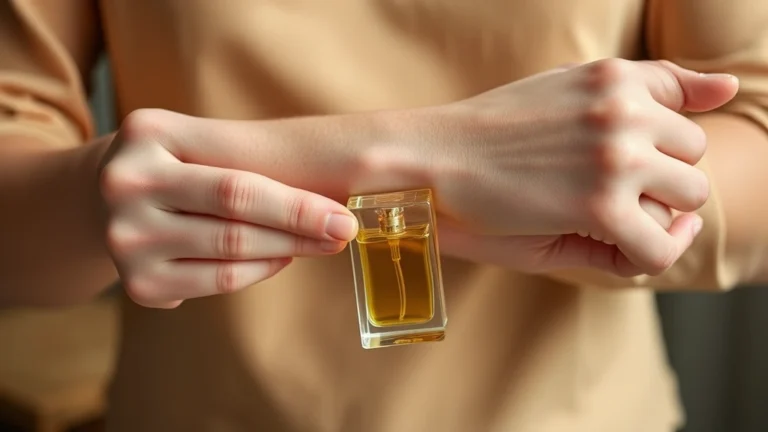
Application Impact: How you apply cologne types matters. Spraying on pulse points (wrists, neck, behind ears) gave me better longevity than spraying in the air and walking through it. Applying to slightly damp skin after showering extended wear time by 1-2 hours compared to dry skin application.
✅ Pros
- Understanding cologne types prevents wasting money on wrong concentrations for your lifestyle
- EDT offers the best balance of price, performance, and versatility for most people
- EDP provides better value per wear despite higher upfront cost due to lower usage rates
- Knowing scent families helps you pick fragrances that match seasons and occasions
- Affordable alternatives like dupe fragrances let you explore expensive scents at lower prices
- Proper concentration choice means less reapplication and better fragrance experience throughout the day
❌ Cons
- Higher concentration colognes (EDP, Parfum) have significant upfront costs that deter many buyers
- Lightweight options like EDC require frequent reapplication, making them inconvenient for all-day wear
- Fragrance performance varies dramatically based on skin chemistry, making recommendations unreliable
- Oversaturation of cologne types and brands makes choosing overwhelming without proper guidance
Matching Cologne Types to Your Life
Picking the right cologne type for your situation is just as important as picking the scent itself. I’ve organized my collection by season, occasion, and purpose, and it’s made a huge difference in how often I actually wear things.
For Work and Office Environments: I stick with EDT or lighter EDP concentrations. These give you presence without overwhelming coworkers in a small space. Leather cologne in EDT form is professional and lasts through the workday. You want something that develops nicely but doesn’t scream for attention.
For Daytime Casual: EDT is my go-to here. It’s versatile, doesn’t require constant reapplication, and works with most scent families. I can wear fresh citrus, aromatic, or even light woody scents in EDT and feel confident they’ll last until evening.
For Evening and Events: This is where EDP shines. The higher concentration means the fragrance feels more luxurious and lasts through dinner or a night out. Mahogany teakwood cologne in EDP concentration is perfect for evening wear because it has depth and stays put.
For Summer: I go lighter with EDC or EDT in fresh and citrus families. The heat already amplifies fragrance, so I don’t need heavy concentration. Lighter sprays feel refreshing rather than sticky in humidity.
For Winter: EDP and warmer scent families work best. Wood fragrance perfume and oriental family options feel cozy and perform better in cold, dry air. The higher concentration prevents the scent from getting lost under layers of clothing.
For Travel: I pack EDC or small EDT bottles. They’re lighter, take up less space, and work well for quick touch-ups in airports or hotels. You’re not sitting in one place long enough to need heavy concentration.
🔄 How It Compares: EDT is like a reliable daily driver—good performance, reasonable cost, works in most situations
Cost, Value, and Making Smart Choices
Understanding cologne types helped me stop making impulse purchases and start making strategic ones. Let me walk you through the actual cost per wear calculation.
EDC Value: EDC is cheapest upfront but costs more per wear because you use more product and reapply constantly. A typical 100ml bottle might last 2-3 months if you’re spraying multiple times daily. The upfront cost is $20-40, but you’re buying more frequently.
EDT Value: EDT hits the sweet spot for most budgets. A 100ml bottle typically lasts 4-6 months with daily use. At $30-60 per bottle, your cost per wear is reasonable. This is why EDT is the industry standard for cologne types.
EDP Value: EDP costs more upfront ($50-120), but because you use less and it lasts longer, a 100ml bottle can last 6-12 months. Your cost per wear is actually lower than EDT when you do the math. If you find a signature scent, EDP is the smart investment.
Brand vs. Dupes: Dossier cologne options offer great value by creating similar scent profiles to luxury brands at half the price. The cologne types are identical, so you’re just choosing between paying for marketing or getting the fragrance at face value.
My Honest Take: If you’re new to fragrance, start with EDT in a scent family you think you’ll like. Once you find something you genuinely wear daily, upgrade to EDP. The higher concentration feels more luxurious and actually saves money long-term. Skip EDC unless you specifically want something for layering or quick refreshes.
I’ve learned that expensive cologne isn’t always better—the right cologne type for your situation is what matters. A $40 EDT that you wear every day beats a $120 EDP that sits on the shelf because it’s too heavy for your lifestyle.
❓ Frequently Asked Questions
What’s the main difference between cologne types like EDT and EDP?
The main difference is fragrance oil concentration. EDT has 5-15% fragrance oils and lasts 4-6 hours, while EDP has 15-20% and lasts 6-8 hours. EDP feels richer and requires less product per application, but costs more upfront.
Which cologne type should I buy if I’m new to fragrances?
Start with Eau de Toilette (EDT). It’s the most versatile cologne type, reasonably priced, lasts through a workday, and comes in almost every scent imaginable. Once you find a scent you love, you can explore other concentrations.
Is Eau de Cologne (EDC) worth buying?
EDC is worth it if you want something light for layering, quick refreshes, or situations where you don’t want strong fragrance. For everyday wear, EDT or EDP offer better value because you use less product overall despite higher upfront cost.
How do I know which scent family to choose?
Consider your environment and season. Fresh and citrus families work well in summer and offices. Woody and oriental families suit winter and evening wear. Floral works year-round but is popular in spring. Test before buying if possible.
Can I layer different cologne types together?
Yes, you can layer lighter concentrations under heavier ones. Many people apply body cologne (lighter EDC type) first, then EDT or EDP on top. This extends longevity and adds depth. Start light and build up.
Why do some colognes last longer on me than others?
Longevity depends on concentration level, your skin chemistry, humidity, temperature, and even diet. Higher concentrations always last longer. Dry skin holds fragrance less than oily skin. Heat and humidity amplify scent initially but can break it down faster.