⚡ Quick Answer
The main difference in fragrance types comes down to concentration levels (eau de parfum vs cologne), scent families, and how long they last on your skin. Choosing wisely means matching the fragrance type to your lifestyle, budget, and the occasion you’re wearing it for.
Understanding the Difference in Fragrance Types
When I first started exploring fragrances, I realized that the difference in fragrance types isn’t just marketing speak—it actually matters. The main distinctions come down to concentration levels, longevity, and how they perform on your skin. Understanding these differences helps you make smarter purchases and get more value from your collection.
Fragrances are categorized primarily by their concentration of fragrance oils mixed with alcohol and water. This concentration level determines how strong the scent is, how long it lasts, and ultimately how much you’ll pay. You’ll see labels like Eau de Parfum, Eau de Toilette, Eau de Cologne, and Fragrance Oil, and each one tells you something important about what you’re buying.
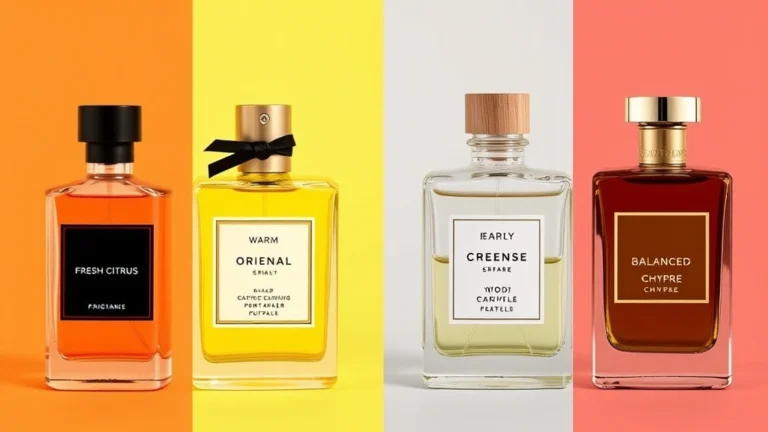
Beyond concentration, there’s also the difference between fragrance families and individual scent profiles. Some fragrances are fresh and citrusy, others are warm and woody, and some are sweet and gourmand. Learning to navigate these differences means you’ll stop buying fragrances that don’t work for your life and start building a collection that actually makes sense.
The Five Essential Types and Their Differences
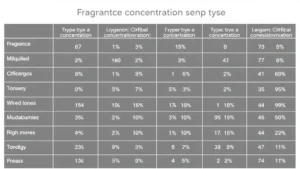
Eau de Parfum (EDP) is the sweet spot for most people. It contains 15-20% fragrance concentration, lasts 5-8 hours on the skin, and provides excellent value. I reach for Eau de Parfum most often because it’s strong enough to last through a workday without being overwhelming. It’s also the most common type you’ll find in department stores.
Eau de Toilette (EDT) has 5-15% fragrance concentration and typically lasts 2-4 hours. It’s lighter and more refreshing, perfect for summer or layering. On my skin, EDT tends to fade faster than EDP, so I use it when I’m going out for just a few hours or when the weather is hot.
Eau de Cologne (EDC) sits at 2-5% concentration and is one of the lightest options. It’s fresh, crisp, and perfect for after-shower application. The downside is it doesn’t last long, usually just 1-2 hours, but it’s affordable and great for everyday wear.
Fragrance Oil or Pure Perfume is the strongest option, with 20-40% concentration. This is luxury territory—it lasts 8+ hours and a little goes a long way. The trade-off is the price tag, which can be steep. I save pure perfume for special occasions or when I really want something to stick around all day.
Solid Fragrances and Colognes are alternative formats that work differently. Solid fragrances are wax-based and applied directly to the skin, while colognes are often lighter and more casual. These work well for travel or when you want a subtle scent.
Beyond concentration, understanding fragrance families helps you choose types that match your preferences. Some people gravitate toward fresh citrus scents, while others prefer warm, spicy notes or creamy, sweet fragrances.
Pros and Cons of Different Fragrance Types
Each fragrance type has advantages and disadvantages depending on your needs and lifestyle. Understanding these tradeoffs helps you make better choices when shopping.
Eau de Parfum Benefits: Long-lasting (5-8 hours), strong projection, good value for the price, versatile for most occasions. The downside is it can sometimes feel too heavy in hot weather or for sensitive noses.
Eau de Toilette Benefits: Fresh and light, perfect for warm weather, less expensive than EDP, great for trying new scents. The con is you’ll need to reapply during the day if you want lasting scent.
Eau de Cologne Benefits: Very affordable, refreshing, perfect for everyday use, ideal for layering. Downsides include short longevity and minimal projection—people nearby won’t smell it as much.
Pure Perfume Benefits: Extremely long-lasting (8+ hours), powerful, luxurious feel, you need very little product. The major con is the high price point, making it impractical for most daily wear.
I’ve found that having a mix of these types in my collection makes sense. I use EDT for casual weekends, EDP for work and events, and save pure perfume for special nights out.
Matching Fragrance Types to Your Lifestyle
Choosing the right fragrance type means thinking about when and where you’ll wear it. On my skin, I notice that what works for the office doesn’t always work for the gym or a date night.
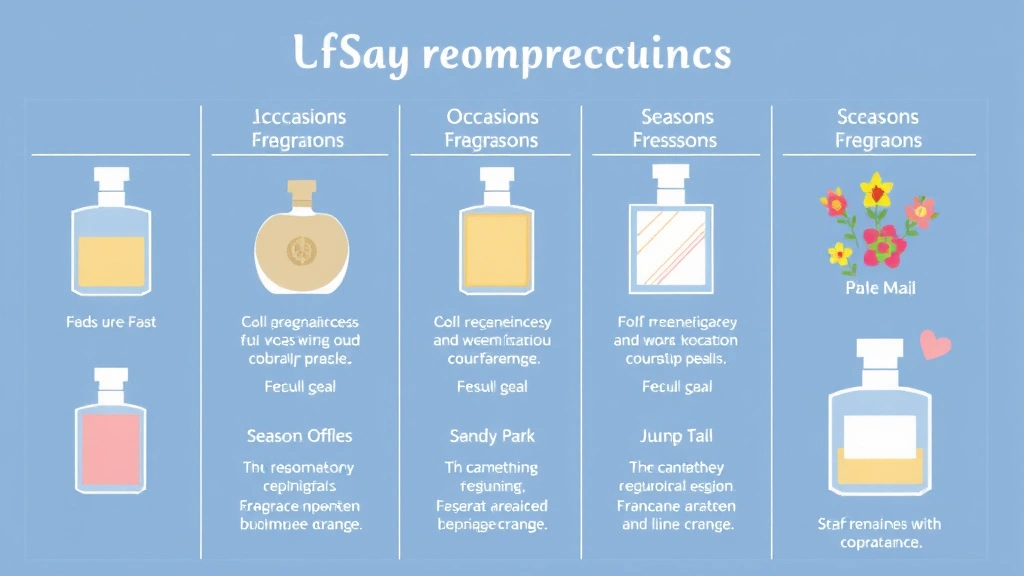
For Work and Daily Wear: Eau de Toilette or Eau de Parfum works best. You want something that lasts through your workday but isn’t so strong that it overwhelms your coworkers. I typically go with EDP because it hits the balance perfectly—noticeable but professional.
For Summer and Hot Weather: Eau de Toilette or Eau de Cologne is your friend. Light fragrances feel less cloying when you’re sweating, and they won’t feel heavy on your skin. The shorter longevity is less of an issue when you can reapply at lunch.
For Evenings and Events: Pure Perfume or Eau de Parfum makes sense here. You want something that lasts through dinner or a night out and has enough presence to make an impression. These types are also often positioned as more luxurious and special.
For Travel: Eau de Toilette or solid fragrances are practical. They take up less space, last decently long, and if you lose them, you’re not devastated about the cost.
For Sensitive Skin: Start with lighter concentrations like Eau de Toilette or Eau de Cologne. These are less likely to cause irritation and let you test whether you like a scent before committing to a stronger version.
Understanding these use cases helps you stop buying fragrances randomly and start building a purposeful collection. You might own an Eau de Parfum for work, an Eau de Toilette for casual days, and maybe one pure perfume for special occasions.
✅ Pros
- Eau de Parfum offers excellent longevity without excessive price tag
- Lighter types like Eau de Toilette feel fresh in warm weather
- Understanding types helps you build a purposeful, useful collection
- Different concentrations let you match fragrance to occasion and lifestyle
- Lighter fragrances are less likely to cause skin irritation or sensitivity
❌ Cons
- Higher concentration fragrances can feel overwhelming in hot weather or small spaces
- Lighter fragrances require frequent reapplication throughout the day
- Pure perfumes are expensive and impractical for daily use
- Choosing the wrong type for your needs wastes money and causes frustration
Related Fragrance Concepts and Similar Options
The difference in fragrance types extends beyond just concentration levels. There are other ways fragrances differ that matter when you’re choosing.
Fragrance Families: Understanding fragrance families is just as important as understanding concentration. A fresh citrus Eau de Toilette will feel completely different from a warm amber Eau de Parfum, even if they’re the same concentration level.
Specific Ingredients: Some fragrances feature signature ingredients like bergamot in fragrance, which gives them a bright, energetic quality. Others use oud, musk, or gourmand notes. These ingredients influence how the fragrance performs and who might enjoy it.
Shelf Life Considerations: The type of fragrance you choose affects how long it stays fresh. Do fragrances expire is a question many people ask, and the answer varies by type and storage. Higher concentration fragrances tend to have longer shelf lives than lighter ones.
Brand-Specific Options: Different brands approach fragrance types differently. For example, best Chanel fragrance women options often emphasize Eau de Parfum as their core offering, while Calvin Klein colognes are known for fresh, lighter Eau de Toilette formulations. Similarly, Dior men’s cologne tends toward sophisticated Eau de Parfum concentrations.
Scent Profile Variations: Whether you’re drawn to sweet fragrance for women or more exotic options like oud fragrance for women, understanding how these profiles work within different concentration types helps you make choices that align with your taste.
🔄 How It Compares: Eau de Parfum is to Eau de Toilette what a full-bodied wine is to a light spritz—more intense but both have their place
How to Choose Your Fragrance Type Wisely
After exploring the difference in fragrance types, here’s what I’ve learned works best: Start by identifying your lifestyle needs, then match them to the right concentration level.
If you’re building your first fragrance collection, I’d recommend starting with an Eau de Parfum. It’s strong enough to last all day, reasonably priced, and versatile enough for most situations. Once you have that foundation, you can experiment with lighter options for summer or specific occasions.
Don’t get caught up in thinking one type is inherently better than another. A well-made Eau de Toilette will always beat a poorly made Eau de Parfum. Focus on quality and how the fragrance makes you feel when you wear it.
Pay attention to how different types perform on your skin. On my skin, some Eau de Toilettes last longer than others, and some Eau de Parfums feel too heavy. Testing fragrances at department stores or ordering samples online helps you understand your preferences before making a big purchase.
Finally, remember that the best fragrance type is the one you’ll actually wear. There’s no point owning an expensive pure perfume if you’re too nervous to use it. Choose types that fit your life, your budget, and your confidence level. Build your collection intentionally, and you’ll end up with fragrances you genuinely love wearing every day.
❓ Frequently Asked Questions
What’s the main difference between Eau de Parfum and Eau de Toilette?
The main difference is fragrance concentration and longevity. Eau de Parfum has 15-20% concentration and lasts 5-8 hours, while Eau de Toilette has 5-15% concentration and lasts 2-4 hours. EDP is stronger and more expensive, but EDT is lighter and more refreshing.
Which fragrance type is best for everyday wear?
Eau de Parfum is ideal for everyday wear because it balances longevity with price. It lasts through a full workday without being overwhelming. Eau de Toilette also works well if you don’t mind reapplying mid-day or prefer a lighter scent.
Why are pure perfumes so expensive?
Pure perfumes are expensive because they contain 20-40% fragrance concentration, meaning more of the actual fragrance oil is in the bottle. You also need far less product per application, so a small bottle lasts much longer than larger bottles of lighter types.
Can I use Eau de Cologne for special occasions?
Eau de Cologne can work for casual special occasions, but its short longevity (1-2 hours) makes it less ideal for events that last several hours. For evening events, Eau de Parfum or pure perfume is a better choice.
How do I know which fragrance type to buy if I’m new to fragrances?
Start with samples or smaller bottles of Eau de Parfum to test how you like a scent. Once you find fragrances you love, you can invest in larger sizes or explore other concentration types. Consider your lifestyle and how long you need the scent to last.
Do lighter fragrance types expire faster than heavier ones?
Yes, lighter fragrances like Eau de Toilette can degrade faster than higher concentration fragrances like Eau de Parfum. However, proper storage in a cool, dark place extends the life of any fragrance type.