⚡ Quick Answer
Different types of cologne vary by concentration, spray format, and fragrance families. Understanding eau de cologne, eau de toilette, and eau de parfum helps you pick the right scent strength and longevity for your needs.
Different Types of Cologne at a Glance
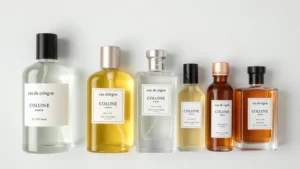
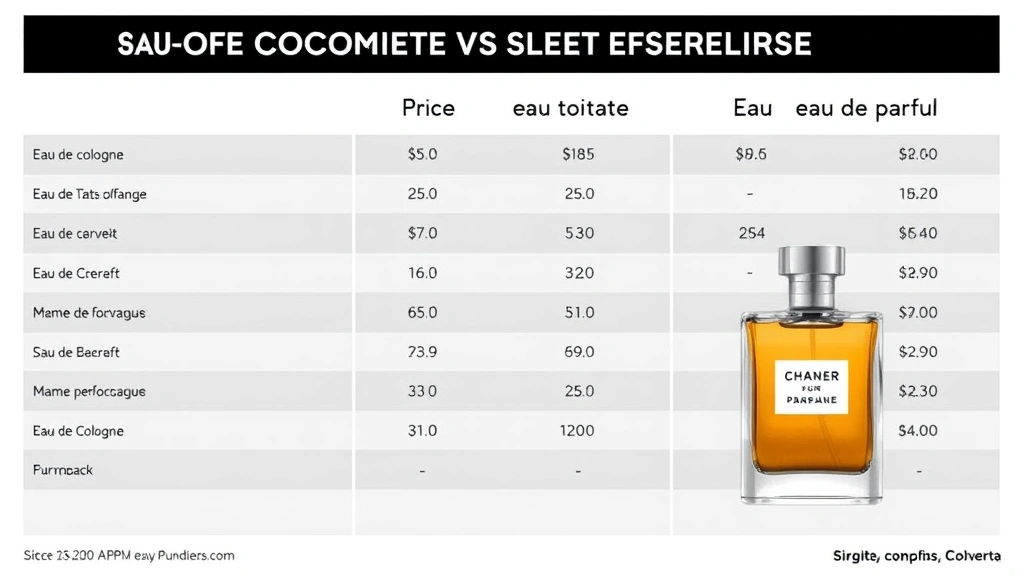
When I started exploring different types of cologne, I realized most guys don’t know the actual differences between what’s on the shelf. You’ve got eau de cologne, eau de toilette, eau de parfum, and cologne spray—each one has its own concentration level and staying power. The main thing that separates them is the fragrance oil concentration, which affects how long it lasts on your skin and how much you need to apply.
The fragrance concentration ranges from about 2% in eau de cologne all the way up to 20% in pure perfume. This matters because a higher concentration means the scent sticks around longer and projects better. I’ve noticed that understanding these differences changes how you shop and what you actually get for your money. Most cologne perfume for men falls into the eau de toilette category, which gives you a solid balance between price and performance.
The Nine Essential Types Explained
Eau de Cologne is the lightest option with 2-4% fragrance concentration. It’s fresh, crisp, and doesn’t last very long—usually 1-2 hours on your skin. I use this when I want something subtle for the office or when I’m applying multiple times throughout the day.
Eau de Toilette sits in the middle with 5-9% concentration and lasts around 3-5 hours. This is what most people reach for because it’s affordable and gives decent performance. Brands like Calvin Klein colognes and Armani men’s fragrance excel in this category.
Eau de Parfum has 15-20% concentration and lasts 5-8 hours or longer. It’s stronger and more expensive, but you need less of it. On my skin, a single spray of eau de parfum in the morning carries me through the whole workday.
Cologne Spray is a delivery method more than a type—it’s how the fragrance gets applied. Cologne spray applicators give you better control and even distribution compared to splash bottles.
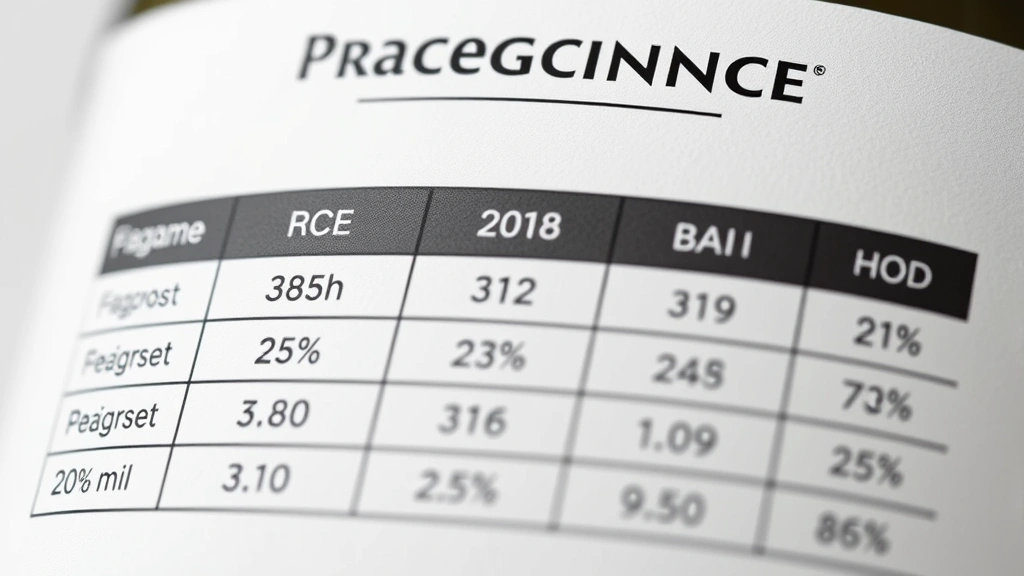
Fragrance Oil Concentrations matter for longevity and projection. Higher concentrations mean better performance but also higher prices. I’ve found that matching your lifestyle to the right concentration saves money and prevents over-application.
Designer vs. Niche Fragrances represent different price points and quality levels. Designer brands offer accessibility while niche fragrances provide unique compositions. Both have their place depending on your budget.
Seasonal Variations matter more than people think. Lighter eau de cologne works better in summer, while richer eau de parfum suits fall and winter. I rotate my collection based on temperature and humidity.
Application Methods vary from spray to splash to roll-on. The spray method gives you the most control and consistency. Some vintage options like Avon cologne still use splash bottles, which works fine if you’re careful.
Layering and Complementary Products extend your scent’s life. Pairing cologne with hair fragrance or body spray creates a stronger presence. I’ve found that layering actually makes the fragrance smell better and last longer on my skin.
Pros and Cons of Different Cologne Types
Eau de Cologne Pros: Super affordable, fresh and clean smelling, perfect for reapplication throughout the day, great for sensitive skin, ideal for work environments where subtlety matters.
Eau de Cologne Cons: Fades quickly, requires frequent reapplication, minimal projection, can feel watered down compared to stronger options.
Eau de Toilette Pros: Best value for money, solid 3-5 hour performance, wide variety of scents available, works for most occasions, affordable enough to own multiple scents.
Eau de Toilette Cons: Still needs midday reapplication for some, not as long-lasting as eau de parfum, can feel generic in niche fragrance world.
Eau de Parfum Pros: Excellent longevity reaching 8+ hours, stronger projection means less product needed, richer scent experience, better value per wear despite higher initial cost.
Eau de Parfum Cons: Significantly more expensive upfront, can be overwhelming if you’re not careful with application, overkill for some situations, takes longer to find your perfect match.
Spray Format Pros: Precise application control, even distribution, less waste, easier to reapply during the day, more hygienic than splash bottles.
Spray Format Cons: Can feel less luxurious than splash bottles, some people over-spray by habit, atomizers occasionally malfunction.
Matching Cologne Types to Your Situation
I’ve learned that picking the right type of cologne for the right moment makes a real difference in how people perceive your scent. Office environments call for lighter options—eau de cologne or subtle eau de toilette. You want something that doesn’t overwhelm cubicles or conference rooms. I go with eau de cologne when I’m working in close quarters.
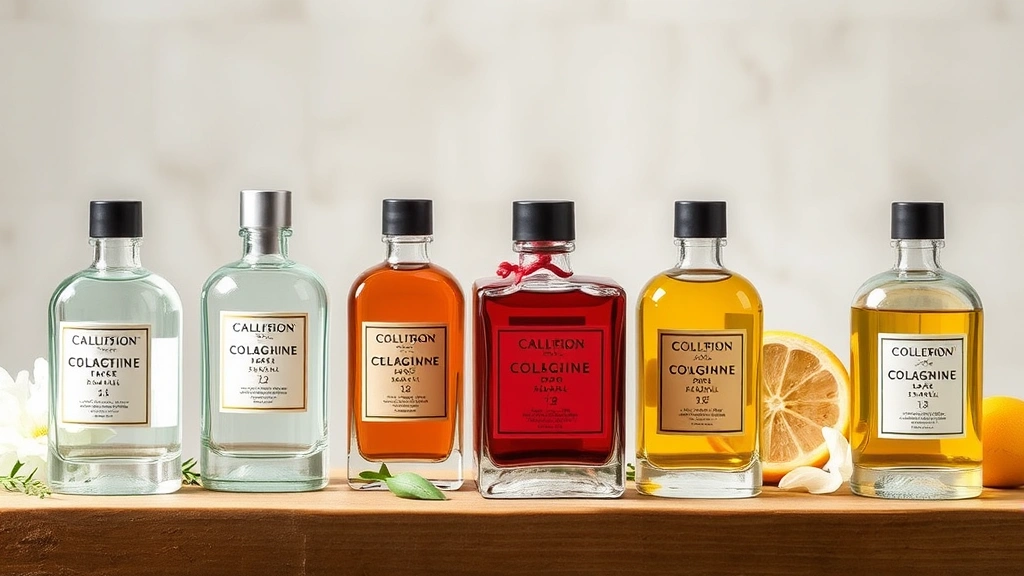
Casual hangouts with friends work well with standard eau de toilette. It has enough presence to be noticed without being aggressive. Dates and evening events are where eau de parfum shines. The stronger concentration gives you confidence and makes the scent last through dinner and beyond.
Gym and workout sessions need something fresh that won’t clash with sweat. I use lighter eau de cologne that fades quickly rather than competing with natural body chemistry. Summer days and outdoor activities benefit from citrus or aquatic eau de toilette that feels refreshing and doesn’t feel heavy.
Winter and evening occasions are perfect for heavier concentrations and richer scent profiles. Eau de parfum with warm notes like amber or vanilla works beautifully when temperatures drop. Bottled fragrance in eau de parfum strength gives you that sophisticated, intentional vibe for special occasions.
Travel situations demand consideration of regulations and practicality. Lighter eau de cologne or small spray bottles comply with TSA rules and don’t take up luggage space. I always pack eau de toilette for trips because it’s reliable and portable.
✅ Pros
- Understanding concentration helps you buy smarter and avoid overpaying for performance you don’t need
- Different types let you match cologne to occasions and seasons for better overall experience
- Lighter concentrations like eau de cologne work well for work and reapplication throughout the day
- Eau de parfum delivers better longevity and value if you wear fragrance daily
- Spray bottles reduce waste and give you better control over application
- Knowing your preferred type makes exploring new scents easier and more successful
❌ Cons
- Lighter concentrations require frequent reapplication, which becomes inconvenient for some situations
- Higher-concentration fragrances cost significantly more upfront, limiting your ability to explore multiple scents
- Not all skin chemistry works the same with different concentrations—what lasts 8 hours on one person might fade in 4 on another
- Spray bottles occasionally malfunction, and some people find splash bottles feel more luxurious despite being less practical
Beyond Traditional Cologne Types
Once you understand standard cologne types, you’ll start noticing alternatives that give you different options. Fragrance layering using fragrances with lavender or fig fragrance perfume creates personalized scent combinations. I’ve experimented with pairing a lavender eau de toilette with a fig-based body spray to create something unique that’s entirely mine.
Solid colognes and balms offer different formats that some people prefer. They’re easier to control, perfect for travel, and feel more luxurious in your hands. The concentration is usually similar to eau de toilette but the application is more tactile.
Scent layering with complementary products extends performance and creates depth. Using a candle fragrance oil in a matching scent while wearing cologne creates an immersive aromatic experience. This technique works especially well for special occasions.
Fragrance oils and concentrates give you the strongest option available, but they’re typically not meant for direct skin application. Some people dilute them or use them in diffusers to create personalized scents at lower costs.
Vintage and discontinued formulations sometimes have different concentrations than modern versions. Older Avon cologne bottles might have richer formulations than current releases. Finding these becomes a hobby for serious fragrance enthusiasts.
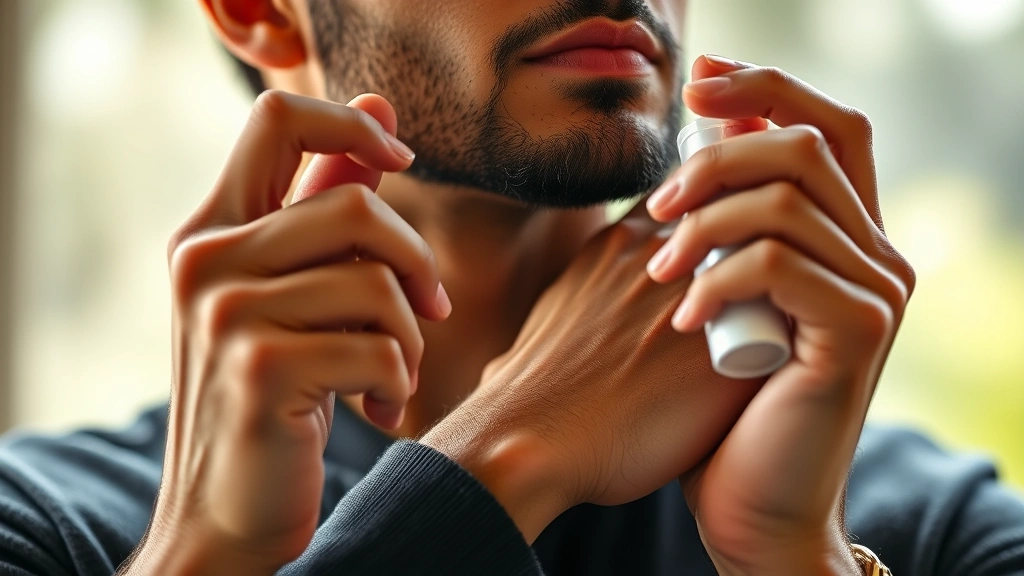
💡 Pro Tip: Apply cologne to pulse points like wrists, neck, and chest where heat helps fragrance project and develop
How to Choose Your Ideal Cologne Type
The best cologne type depends on three main factors: your lifestyle, your budget, and your preferences. Start by asking yourself how long you need the scent to last. If you’re indoors in an office most of the day and can reapply, eau de cologne or eau de toilette makes sense. If you’re outdoors or in social situations all day, eau de parfum gives better value because you don’t need to reapply.
Budget matters because different types have different price points. Eau de toilette offers the best bang for your buck and works for most people. If you only wear cologne occasionally, eau de cologne is smart because you won’t waste money on something that sits in your bathroom. If you’re a fragrance enthusiast who wears scent daily, investing in quality eau de parfum makes sense.
Consider your sensitivity to fragrance. Some people find concentrated scents overwhelming or irritating. Others love the richness and longevity of higher concentrations. I started with eau de toilette and gradually moved to eau de parfum once I understood how different concentrations affected my skin.
Test before you buy whenever possible. Spray a sample on your wrist and wear it for a few hours. Notice how it develops and how long it lasts. This real-world testing beats any description because fragrance chemistry is personal—what lasts eight hours on me might only last five on you.
Don’t overthink it. Most people do well starting with quality eau de toilette from brands they trust. Once you understand how different types perform, you can explore stronger concentrations or lighter options based on actual experience. The journey of finding your signature scent is part of the fun.
❓ Frequently Asked Questions
What’s the main difference between eau de cologne and eau de toilette?
The main difference is fragrance concentration. Eau de cologne has 2-4% fragrance oil and lasts 1-2 hours, while eau de toilette has 5-9% and lasts 3-5 hours. Eau de toilette is stronger and more cost-effective for most people.
Is eau de parfum worth the extra cost?
Yes, if you wear cologne daily or want all-day performance. Eau de parfum with 15-20% concentration lasts 5-8+ hours, so you use less product overall. For occasional wear, eau de toilette offers better value.
How much cologne should I actually apply?
For eau de toilette, 1-2 sprays on pulse points (wrists, neck, chest) is usually enough. For eau de cologne, you might need 3-4 sprays. For eau de parfum, start with one spray and add another if needed. Less is more—you can always apply more.
Can I use the same cologne type year-round?
You can, but rotating types based on season improves your scent experience. Lighter eau de cologne works better in summer heat, while richer eau de parfum suits winter. I keep both options on hand.
What’s the difference between spray and splash cologne bottles?
Spray bottles give you precise control and even distribution, while splash bottles require you to pour and apply manually. Spray is more hygienic, wastes less product, and prevents over-application.
Do expensive designer colognes perform better than budget options?
Not always. Price reflects branding and packaging more than concentration. A $30 eau de toilette from a quality brand often performs identically to a $60 option. Test different price points to find your sweet spot.