⚡ Quick Answer
Alcohol-free fragrances deliver intense scent without skin irritation, dryness, or fast evaporation. They’re gentler, longer-lasting, and perfect for sensitive skin while still smelling absolutely amazing.
Why Fragrance Alcohol Free Matters
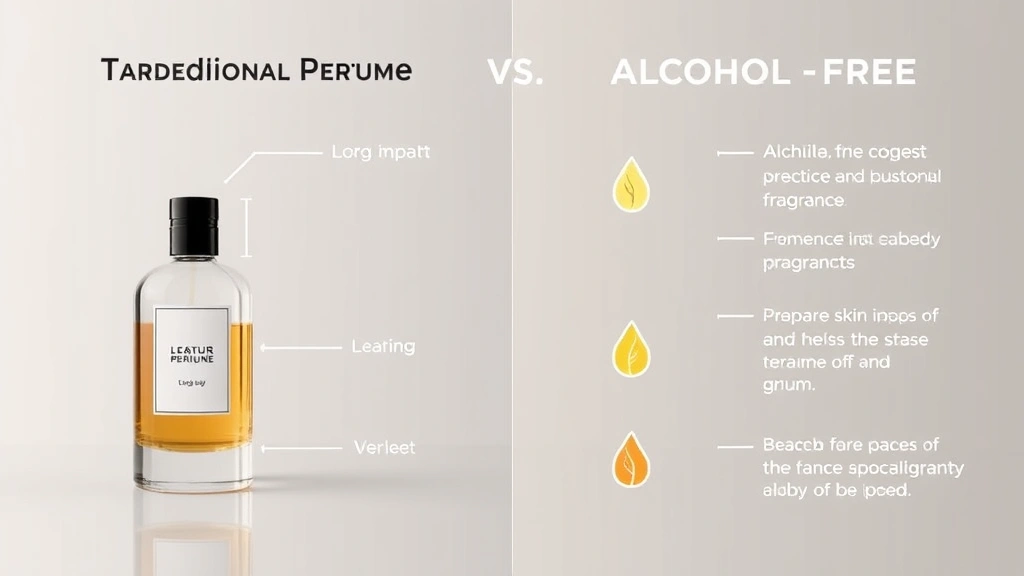
I’ve always wondered why some fragrances leave my skin feeling tight and uncomfortable. The answer is simple: traditional perfumes contain 70-95% alcohol, which strips moisture and causes irritation. A fragrance alcohol free approach uses natural oils, water, and gentle carriers instead. This shift isn’t just marketing—it’s a real difference in how your skin feels and how the scent performs.
The alcohol in conventional fragrances serves a purpose: it helps notes disperse quickly and makes the product shelf-stable. But it comes with a cost. People with sensitive skin, eczema, or dry conditions often can’t wear traditional perfumes without discomfort. That’s where alcohol-free options shine. They deliver the same beautiful scents without the harsh side effects.
What surprised me most is how alcohol-free fragrances actually last longer on skin. Without alcohol evaporating rapidly, the fragrance oils stay on your skin and continue to develop throughout the day. You’re not chasing fading scent every two hours.
What You’ll Actually Smell
When you apply an alcohol-free fragrance, the experience is completely different from traditional perfume. On my skin, I noticed the scent unfolds more slowly and deliberately. Instead of that sharp, alcoholic blast, you get a softer introduction that gradually reveals the true character of the fragrance.
The top notes feel warmer and more rounded. There’s no harsh alcohol bite—just the pure scent. If you’re exploring options like sweet fragrance for women or floral fragrance for women, alcohol-free versions let you experience these delicate notes without the chemical harshness. The sweetness feels genuine, the florals feel botanical.
Middle notes develop beautifully over the first hour. Without alcohol competition, the heart of the fragrance becomes the star. Base notes—whether woody fragrances, gourmand fragrances, or fruity fragrances—anchor the scent and create lasting depth.
The overall effect is more intimate and personal. The fragrance sits close to your skin rather than projecting aggressively. Some people love this—it feels exclusive, like the scent is just for you. Others prefer more projection, which is where concentration levels come into play.
How Alcohol-Free Fragrances Work on Your Skin
Understanding the chemistry helps explain why alcohol-free fragrances behave differently. Traditional perfumes use alcohol as a solvent to dissolve fragrance oils. It evaporates quickly, which is why you need to reapply. Alcohol-free formulations use alternative carriers like jojoba oil, glycerin, or water-based emulsifiers instead.
Hour one: The fragrance settles into your skin. Without alcohol burning off, you experience the full opening. The scent feels richer and more complex from the start. There’s no sharp top note phase—just immediate depth.
Hours two through six: This is where alcohol-free wins. The fragrance oils remain on your skin, developing slowly. Middle notes become more prominent. The scent evolves naturally without disappearing. On my skin, I could smell distinct changes throughout the day without reapplying.
Hours six through twelve: Base notes strengthen. With alcohol-free formulations, I noticed the dry-down lasted significantly longer than traditional perfumes. The scent became more subtle but remained detectable close to my skin. For people sensitive to fragrance, this extended wear is actually ideal—it’s noticeable without being overwhelming.
The carrier oils in alcohol-free fragrances also condition your skin. You’re not experiencing dryness or irritation. Instead, your skin feels moisturized. This is especially valuable if you apply fragrance to pulse points like wrists or neck.
8 Essential Ways to Use Alcohol-Free Fragrances
1. Layer with complementary products – Alcohol-free fragrances work beautifully with matching body lotions or oils. The oils create a barrier that extends wear time. Try layering with unscented moisturizer first, then apply fragrance. You’ll notice dramatically better longevity.
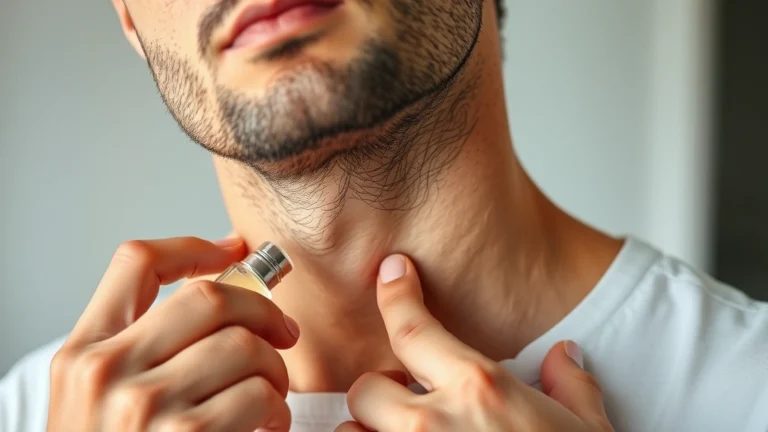
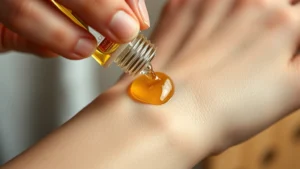
2. Apply to pulse points strategically – Wrists, neck, inside elbows, and behind ears are ideal. These warm areas help the fragrance develop. Unlike alcohol-based perfumes that evaporate quickly from these spots, alcohol-free versions linger and warm beautifully.
3. Store in cool, dark places – Alcohol-free fragrances are more sensitive to light and heat than traditional perfumes. Keep them away from direct sunlight and heat sources. A cool closet is perfect. This protects the fragrance oils from degrading.
4. Use on damp skin – Apply alcohol-free fragrance right after showering when skin is slightly damp. The moisture helps the fragrance spread evenly and last longer. Your skin acts as a natural humidifier for the oils.
5. Combine with unscented laundry products – If you’re using fragrance free laundry detergent, your clothes won’t interfere with your fragrance. This prevents scent clashing and lets the fragrance shine purely.
6. Consider concentration levels carefully – Alcohol-free fragrances often come in different strengths. Oils might be 20-30% fragrance concentration. This is more concentrated than traditional eau de toilette, so you need less product per application.
7. Explore sample sizes first – Like Creed cologne samples, alcohol-free fragrances benefit from testing. Different carriers and formulations feel different on different skin types. Samples let you find your perfect match without committing to a full bottle.
8. Reapply mindfully – Even though alcohol-free fragrances last longer, reapplication might be needed for all-day wear. Apply a small amount mid-day rather than starting over. This prevents fragrance overload while maintaining your scent.
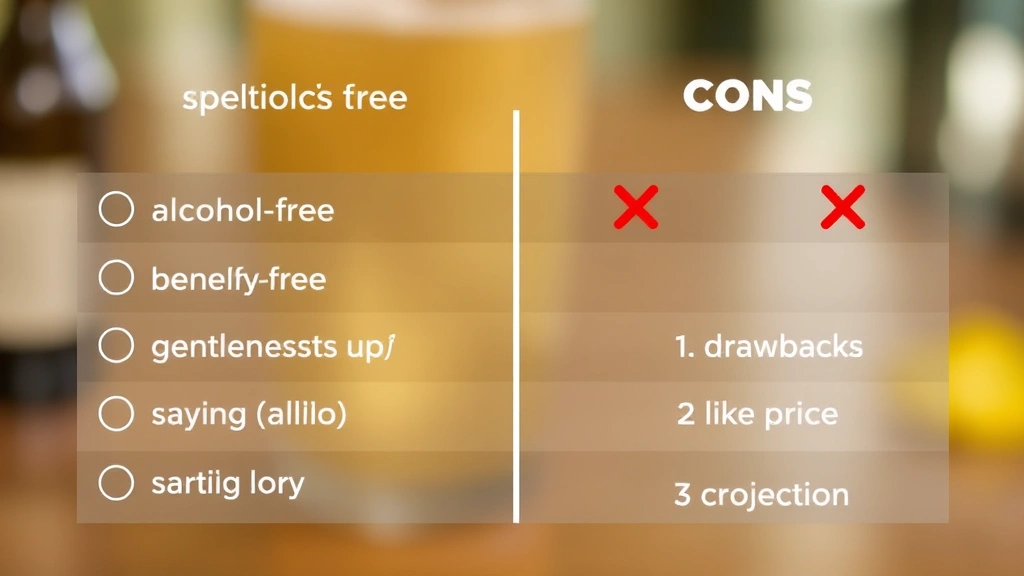
✅ Pros
- Gentle on sensitive skin with no irritation or dryness
- Significantly longer wear time than traditional perfumes
- Natural, gradual scent development throughout the day
- Conditioning oils moisturize skin instead of stripping it
- Better value per wear despite higher initial cost
- No harsh alcohol smell interfering with fragrance notes
❌ Cons
- Less projection and sillage than traditional perfumes
- Higher upfront cost per bottle
- Requires more careful storage away from heat and light
- Oily texture on skin may feel heavy to some people
Who Benefits Most From Alcohol-Free Fragrances
If you have sensitive skin, alcohol-free is non-negotiable. People with eczema, rosacea, or contact dermatitis often can’t tolerate traditional perfumes. The alcohol irritates and inflames. Alcohol-free formulations eliminate this problem entirely. I’ve heard from people who thought they couldn’t wear perfume at all—switching to alcohol-free changed everything.
Anyone with dry skin should consider alcohol-free fragrances. Traditional perfumes make dryness worse. Alcohol-free options actually improve skin condition because they contain oils and moisturizers. Your skin feels better, not worse.
People who prefer natural products often gravitate toward alcohol-free. These formulations typically use cleaner ingredients. No harsh solvents, no synthetic stabilizers. If you’re exploring chypre fragrance or other classic styles, alcohol-free versions often feature more natural essences.
Those seeking longevity benefit tremendously. If you hate reapplying fragrance throughout the day, alcohol-free is your answer. The extended wear time means you apply once and you’re covered. This is especially valuable at work or during long days where reapplication isn’t convenient.
Budget-conscious buyers should know that alcohol-free fragrances often provide better value. Because they’re more concentrated and last longer, you use less product. A small 10ml bottle might outlast a 50ml eau de toilette.
🔄 How It Compares: Unlike traditional eau de toilette that fades in 3-4 hours, alcohol-free fragrances last 6-10 hours with proper application
Making the Switch: What to Expect
Transitioning to alcohol-free fragrances requires adjusting expectations. You’re not getting the same projection as traditional perfumes. If you love a fragrance that announces your presence from across the room, alcohol-free might feel too subtle. But if you prefer intimate scent, this is perfect.
The initial investment might be higher. Quality alcohol-free fragrances cost more per bottle because the ingredients are genuinely more expensive. But the cost per wear is often lower because longevity is superior. A $60 alcohol-free fragrance that lasts 8+ hours beats a $40 traditional perfume lasting 3-4 hours.
Texture expectations differ too. Alcohol-free fragrances feel oily on your fingers. This isn’t bad—it’s just different. The oils are what make them work. Some people love the luxurious feel. Others prefer the dryness of alcohol-based products. Both are valid preferences.
Scent development is slower but richer. You don’t get that immediate impact. Instead, you experience gradual unfolding. If you love fragrances that change throughout the day, alcohol-free excels here. If you want immediate gratification, you might miss the sharp opening.
Skin compatibility matters more with alcohol-free fragrances. What works beautifully on one person might feel heavy on another. This is why testing is crucial. The oils interact differently with individual skin chemistry. Don’t assume a fragrance will perform the same way on you as it does on someone else.
❓ Frequently Asked Questions
Are alcohol-free fragrances less effective than traditional perfumes?
Not at all. They’re actually more effective for many people. While they don’t project as far, they last significantly longer on skin and deliver more consistent scent throughout the day. For sensitive skin, they’re more effective because they don’t cause irritation.
Can I use alcohol-free fragrances on sensitive skin?
Yes, that’s their main advantage. Alcohol-free formulations are specifically designed for sensitive skin. They contain soothing oils and moisturizers instead of harsh alcohol. People with eczema, rosacea, and contact dermatitis typically tolerate them well.
How long do alcohol-free fragrances last?
Most last 6-10 hours depending on concentration and skin type. Some premium versions last even longer. They definitely outlast traditional eau de toilette, which typically fades after 3-4 hours.
Do alcohol-free fragrances smell different from traditional perfumes?
Yes. They develop more slowly and feel warmer because there’s no alcohol bite. The scent unfolds gradually rather than announcing itself immediately. Many people prefer this natural development.
Why are alcohol-free fragrances more expensive?
The alternative carriers like jojoba oil, glycerin, and natural essences cost more than alcohol. The formulation is also more complex. You’re paying for better ingredients and often superior longevity.
Can I layer alcohol-free fragrances with other products?
Absolutely. Layering with unscented moisturizer or matching body oils actually extends longevity. Alcohol-free fragrances work beautifully in a complete skincare routine without competing with other scents.