⚡ Quick Answer
The fragrance cologne difference comes down to concentration levels, longevity, and price. Cologne has lower fragrance oil content (3-5%) than eau de parfum (15-20%), making it lighter and cheaper but shorter-lasting. Understanding these distinctions helps you choose the right product for your needs and budget.
Fragrance Cologne Difference at a Glance
When I started exploring fragrances, I realized most people use the term cologne loosely without understanding the fragrance cologne difference. The key distinction lies in fragrance concentration—the amount of aromatic oils mixed into alcohol and water. This single factor determines how long a scent lasts on your skin, how much you’ll pay, and when you should wear it.
The fragrance hierarchy includes several types: perfume (25-40% concentration), eau de parfum (15-20%), eau de toilette (5-15%), eau de cologne (3-5%), and eau de fraîche (1-3%). Most people confuse cologne with the entire fragrance category, but technically, eau de cologne is its own specific type. Understanding this fragrance cologne difference saves you money and ensures you buy what actually suits your lifestyle.
I noticed that choosing between these options isn’t just about smell—it’s about practicality. A cologne might fade in three hours, while an eau de parfum lasts eight or more. If you’re applying multiple times daily, cologne works fine. If you want one application to carry you through the day, you need something stronger.
Breaking Down Each Fragrance Type
Eau de Cologne (3-5% concentration)
This is the lightest option and where the term cologne originates. On my skin, eau de cologne feels refreshing and subtle—perfect for hot weather or casual office days. The scent typically lasts 2-3 hours, making it ideal for reapplication throughout the day. Prices are usually the lowest in the fragrance family. Many classic brands like Atelier Cologne specialize in this format, offering quality at reasonable costs.
Eau de Toilette (5-15% concentration)
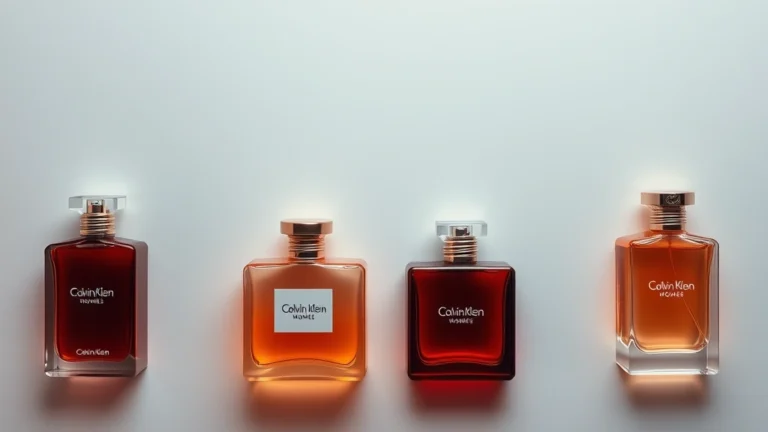
This middle-ground option strikes a balance between longevity and freshness. I find eau de toilette lasts about 4-6 hours on my skin, making it reliable for a workday without constant reapplication. It’s more concentrated than cologne but less intense than eau de parfum, so it works well for those who want noticeable scent without overwhelming a room. Brands like Calvin Klein Colognes offer excellent eau de toilette options across various fragrance families.
Eau de Parfum (15-20% concentration)
On my skin, eau de parfum delivers serious staying power—typically 8 hours or longer. The higher concentration means the scent develops more fully and projects better. You’ll pay more upfront, but you use less product per application. This format works best for evening wear or important occasions where you want your fragrance noticed.
Perfume (25-40% concentration)
The strongest option, perfume lasts 12+ hours and requires only tiny amounts. It’s an investment, but a small bottle lasts months. This format suits special occasions and those with sensitive skin who need less alcohol.
Pros and Cons of Cologne vs Stronger Fragrances
Why Choose Lighter Fragrances (Cologne/Eau de Toilette)
- Budget-friendly—significantly cheaper per bottle
- Fresh and versatile—works for daytime and casual settings
- Less overpowering—won’t irritate sensitive skin or bother others in close spaces
- Easier layering—you can combine multiple scents without creating chaos
- Great for hot climates—lighter feel on skin in summer heat
- Perfect for testing—low cost makes experimenting with new scents less risky
Why Choose Stronger Fragrances (Eau de Parfum/Perfume)

- Superior longevity—lasts through your entire day or night
- Better value long-term—small amount goes far, bottles last months
- Richer scent development—top, middle, and base notes unfold beautifully
- Ideal for special occasions—stronger presence when you want to make an impression
- Works in cold weather—cold air diminishes lighter fragrances faster
Drawbacks to Consider
- Cologne fades quickly—reapplication needed throughout the day
- Eau de parfum costs more—significant upfront investment
- Overpowering risk—stronger fragrances can dominate a room if overdone
When to Wear Each Fragrance Type
Cologne (3-5%) is Best For:
Morning routines, hot summer days, casual office environments, gym visits (reapply after), and daytime social events. I use cologne when I know I’ll be active or in confined spaces with others. The light scent refreshes without dominating.
Eau de Toilette (5-15%) Works Well For:
Standard workdays, weekend outings, daily wear that needs decent longevity, and moderate weather conditions. This is my go-to for most situations because it balances freshness with staying power. If you’re buying one fragrance type, eau de toilette is usually the smartest choice.
Eau de Parfum (15-20%) Suits:
Evening events, dates, colder months, professional meetings where you want presence, and special occasions. On my skin, eau de parfum feels luxurious and appropriate for situations where fragrance matters. It’s also better for cold weather since lighter fragrances dissipate faster in chilly air.
Perfume (25-40%) For:
Formal events, weddings, important presentations, and personal use at home. Perfume makes sense when you want maximum impact from minimal application. Many people dab it on pulse points rather than spraying like cologne.
Explore fragrance families like Fresh and Clean Fragrances or Aromatic Woody Men’s Fragrances to find scents that match your preferred concentration level and occasions.
✅ Pros
- Understanding concentration helps you match fragrances to your lifestyle and budget
- Cologne offers affordable daily options for those who enjoy frequent reapplication
- Eau de parfum provides better longevity and value for full-day wear
- Knowing these differences prevents overpaying for products you don’t need
- You can find the same scent in multiple concentrations to test different formats
- Lighter fragrances work better for sensitive skin and close-quarters environments
❌ Cons
- Cologne requires constant reapplication, making it inconvenient for busy schedules
- Higher concentration fragrances cost significantly more upfront, creating budget barriers
- Fragrance concentration terminology confuses most consumers at retail
- Stronger fragrances can overwhelm in small spaces if overapplied
Similar Scents and Brand Examples
Understanding the fragrance cologne difference helps you compare products across brands. Bvlgari Colognes offers excellent examples across multiple concentration levels—their lighter options compete with Atelier Cologne for freshness, while their eau de parfums deliver impressive longevity.
If you love cologne’s freshness but want more longevity, consider switching to eau de toilette in the same fragrance family. Many brands offer the same scent in multiple concentrations. For example, a cologne from one house might have an eau de toilette version with identical notes but 2-3 hours longer wear.
When comparing products, look at The Fragrance Wheel to identify scent families you prefer. Once you know whether you’re drawn to fresh, aromatic, or sweet fragrances, you can choose concentration levels based on your lifestyle rather than guessing.
For those interested in sustainability, explore Cologne Refill options. Refillable bottles reduce waste and save money, making them ideal for cologne and eau de toilette enthusiasts who reapply throughout the day.

If gourmand scents appeal to you, check Gourmand Fragrances available in different concentrations. These sweet, food-inspired scents often work better in stronger formats like eau de parfum because they can feel cloying in lighter concentrations.
🔄 How It Compares: Eau de cologne to eau de toilette because eau de toilette offers 2-3 hours more longevity at a slightly higher price
Making Your Final Decision
The fragrance cologne difference ultimately determines your satisfaction with a purchase. I recommend starting with eau de toilette if you’re unsure—it offers decent longevity without the high price of eau de parfum, and it’s versatile enough for most situations.
Consider your lifestyle honestly. Do you reapply fragrances throughout the day? Are you in air-conditioned offices or outdoors in heat? Do you prefer subtle or noticeable scents? These questions guide you toward the right concentration level.
Budget matters too. Cologne costs less per bottle but requires frequent reapplication. Eau de parfum costs more upfront but uses less product. Calculate your actual cost per wear to make a fair comparison.
Test before buying when possible. Visit department stores or order sample sets to experience how different concentrations perform on your skin chemistry. My fragrance preferences shifted once I tested things in real-world conditions—what smells great in a store can feel different after eight hours on your body.
Finally, don’t assume all colognes are bad or that perfume is always better. Quality matters regardless of concentration. A well-made eau de toilette from a respected house often outperforms a mediocre eau de parfum. Focus on finding scents you genuinely love, then choose the concentration that fits your needs and budget. That approach to the fragrance cologne difference ensures you’ll actually wear what you buy and enjoy the experience.
❓ Frequently Asked Questions
What’s the main fragrance cologne difference?
The primary difference is fragrance oil concentration. Cologne contains 3-5% aromatic oils, while eau de parfum contains 15-20%. This affects longevity, price, and scent intensity. Lighter fragrances cost less but fade faster, while stronger concentrations last longer but cost more upfront.
How long does cologne last compared to eau de toilette?
Cologne typically lasts 2-3 hours on skin, while eau de toilette lasts 4-6 hours. Eau de parfum extends to 8+ hours. Longevity varies based on skin chemistry, application method, and environmental factors like temperature and humidity.
Is cologne cheaper than eau de parfum?
Yes, cologne is significantly cheaper per bottle. However, because you’ll reapply cologne 2-3 times daily versus once for eau de parfum, the actual cost per wear becomes more comparable. Eau de parfum is usually better value long-term.
Can I wear cologne to formal events?
Cologne is better suited for casual daytime wear. For formal events, eau de parfum or perfume is more appropriate because they project better and last through the entire occasion without reapplication.
Does fragrance concentration affect scent quality?
Concentration affects longevity and projection, not necessarily quality. A well-made cologne can smell better than a poorly-made eau de parfum. Focus on brand reputation and your personal preference for the scent itself.
What’s the difference between eau de cologne and regular cologne?
Eau de cologne is technically the official name for the 3-5% concentration level. Most people use cologne as a general term for all fragrances. Eau de cologne is specifically the lightest fragrance type available.