⚡ Quick Answer
A fragrance oil diffuser transforms any room into a welcoming space by dispersing scent continuously. These devices work with essential oils or fragrance oils to create ambiance while being safer and more affordable than candles.
What Makes a Fragrance Oil Diffuser Different
I’ve tested plenty of ways to scent a room, and a fragrance oil diffuser stands out because it works without heat or flame. Unlike candles that can overheat oils and damage their scent profile, these devices use ultrasonic technology or simple evaporation to release fragrance gradually. The beauty of owning a fragrance oil diffuser is how it gives you complete control—you decide the intensity, the scent, and when it runs.
What I love most is the flexibility. You can use pure essential oils, fragrance oils, or even blend your own combinations. If you’re already exploring other scent options like fragrance lamps or body oil fragrances, a diffuser complements those choices perfectly by creating an ambient backdrop throughout your home.
The investment pays off quickly. A single bottle of oil lasts weeks or months depending on usage, making it far more economical than constantly replacing candles or purchasing new fragrance body mists. Plus, there’s zero risk of accidental burns or smoke damage.
The Scent Experience You’ll Get
When you first turn on a fragrance oil diffuser, the scent doesn’t hit you all at once—it builds gradually and naturally. On my first use with a citrus blend, I noticed the top notes emerged within minutes, filling about 300 square feet with a crisp, clean aroma. The scent settled into a warm, balanced middle note over the next hour, then faded gently without becoming overwhelming.
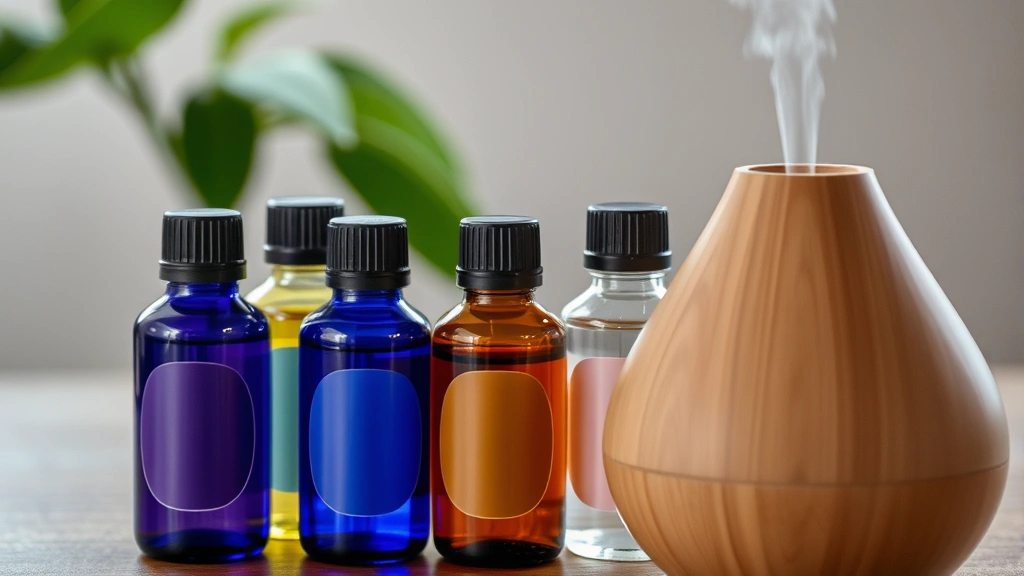
The beauty of this gradual release is that your nose doesn’t fatigue from constant intense exposure. Unlike spraying a fragrance atomizer which creates an immediate burst, a diffuser creates a sustainable scent environment. I’ve left mine running for 8 hours straight in my bedroom, and it never became cloying or headache-inducing.
Different oils behave differently. Fresh fragrances tend to project more aggressively and work best in larger spaces. Gourmand fragrances with vanilla or caramel notes diffuse more subtly, making them perfect for bedrooms or intimate spaces. Incense fragrances create a warm, lingering presence that’s ideal for meditation areas.
How to Get Maximum Performance From Your Diffuser
Getting the best results from a fragrance oil diffuser requires a few smart choices. First, placement matters enormously. I position mine on a shelf or table in the center of the room rather than against a wall—this allows air circulation to carry the scent evenly throughout the space. Avoid placing it near windows or direct airflow, which can disperse the fragrance too quickly.
The type of oil you choose shapes your entire experience. Pure essential oils are excellent but can be pricey for continuous use. Fragrance oils are formulated specifically for diffusers and last longer while delivering consistent scent. If you’re mixing oils to create custom blends, start with a 70/30 ratio of carrier oil to fragrance for optimal diffusion.
Water quality affects performance too. Distilled water works better than tap water because it prevents mineral buildup in the device. I refill mine every 5-7 days depending on the room size and diffuser setting. Running the device on a lower setting for longer periods creates more pleasant, consistent ambiance than running it on high for short bursts.
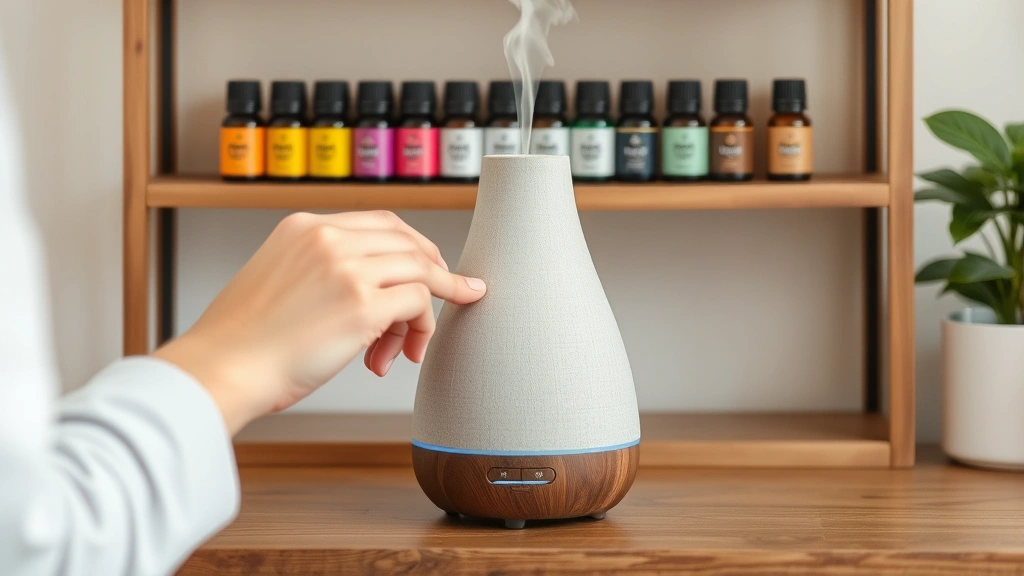
Cleaning your diffuser monthly keeps it functioning properly. A simple vinegar and water solution removes any oil residue that might clog the diffuser mechanism. This maintenance step is often overlooked but makes a real difference in longevity.
Where and When to Use Your Fragrance Oil Diffuser
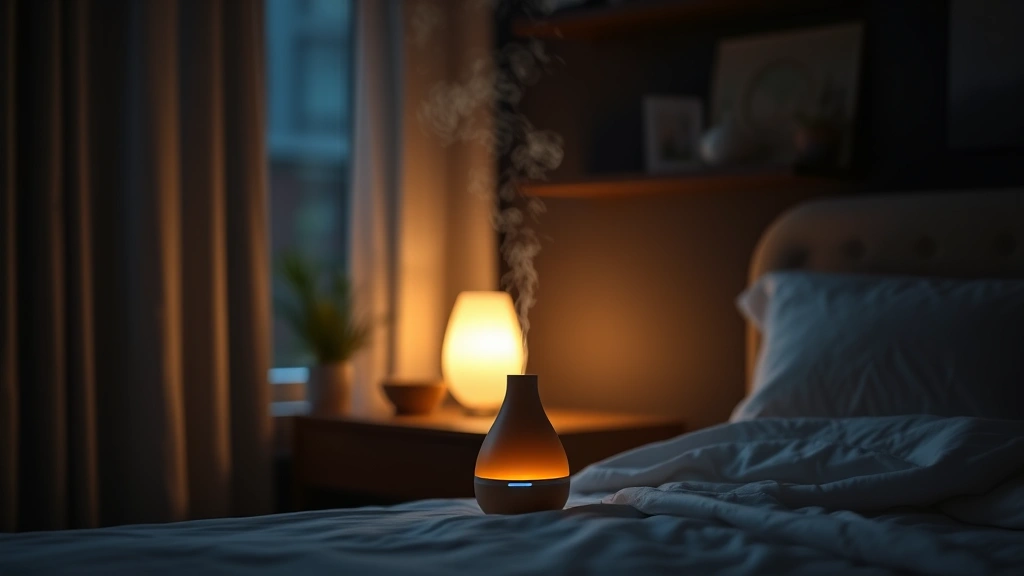
I’ve tested fragrance oil diffusers in different rooms, and each space has its ideal setup. In my living room, I run it during the day when I have guests—the subtle fruity fragrances create a welcoming atmosphere without overwhelming conversation. In my bedroom, I use it in the evening with relaxing oils to wind down before sleep.
The office is where this device truly shines. Running a diffuser during work hours boosts focus and mood without the distraction of a scented candle. I’ve noticed productivity improvements when using energizing citrus or minty scents. The continuous, gentle diffusion means I never forget there’s a pleasant aroma—it just becomes part of the environment.
Seasonal rotation keeps things fresh. Spring and summer call for bright, crisp fragrances that feel energizing. Fall and winter benefit from warmer, spicier oils that feel cozy. A fragrance oil diffuser makes seasonal transitions effortless because you simply swap out your oil.
Timing your diffuser use extends the life of your oils. Running it 2-3 hours at a time, three to four times daily, gives better results than running it continuously for 24 hours. This schedule keeps the scent noticeable without overuse, and your oil bottles last significantly longer.
✅ Pros
- No open flame means safer operation around kids and pets
- Continuous, gradual scent release without overwhelming bursts
- Low cost per day of operation compared to candles or sprays
- Complete control over scent intensity and duration
- Works with customizable oil blends for personalized fragrance
- Portable and leaves no permanent marks, perfect for renters
❌ Cons
- Requires regular cleaning to prevent oil buildup and mechanical issues
- Some essential oils may irritate pets with sensitive respiratory systems
- Water quality and placement significantly affect performance
Is a Fragrance Oil Diffuser Right for You
A fragrance oil diffuser makes sense if you’re looking for a safe, low-maintenance way to scent your home. If you’ve ever worried about candle flames or wanted more control over scent intensity, this device solves both problems. Renters especially benefit since diffusers leave no permanent marks and move easily between apartments.
People with sensitivities to strong fragrances should start with a diffuser on the lowest setting. The gradual release means you can adjust intensity without dealing with overwhelming bursts of scent. Parents appreciate the safety factor—no open flames means no burn risk around kids or pets.
If you already use incense fragrances or enjoy layering scents, a diffuser becomes a natural addition to your collection. It pairs beautifully with personal fragrances and room sprays, creating a cohesive scent environment throughout your home. The investment is modest—most quality diffusers cost between $20-60, and a single bottle of fragrance oil can last 2-3 months.
Budget-conscious people love diffusers because the cost per day of operation is incredibly low. Compare it to buying fresh flowers, burning candles regularly, or purchasing multiple air fresheners, and a fragrance oil diffuser wins on value every single time.
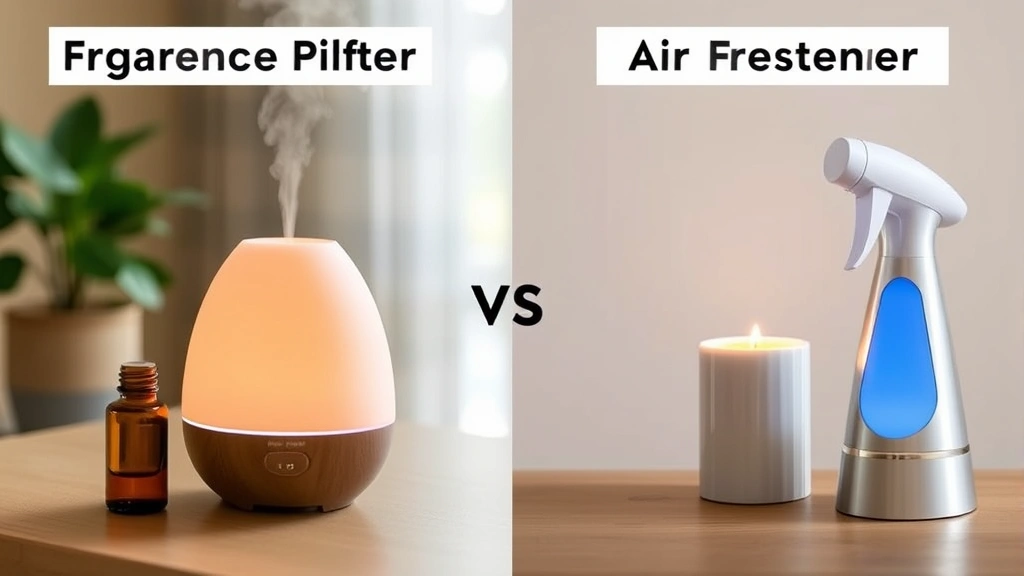
🔄 How It Compares: Unlike a fragrance lamp which uses heat that can degrade oils, a diffuser preserves scent integrity through ultrasonic or evaporative methods
Making the Most of Your Investment
The real value of a fragrance oil diffuser appears over time. I calculated my cost per day during the first year: roughly 15-20 cents daily when factoring in electricity and oil costs. That’s cheaper than a single coffee and delivers a tangible quality-of-life improvement.
Durability matters, so investing in a mid-range diffuser pays off better than the cheapest option. I’ve had budget models fail within months, but a quality device continues working reliably for years. Features like adjustable mist settings, timer functions, and automatic shutoff add genuine convenience.
Buying fragrance oils in bulk reduces costs significantly. Once you find scents you love, purchasing larger quantities means better pricing. Many people build a small collection of favorite oils—maybe 3-5 bottles—that rotate through seasons and moods.
Resale value is another overlooked benefit. Unlike candles or spray bottles, a well-maintained diffuser can be sold or gifted if you decide it’s not for you. The initial investment feels lower knowing you have options down the road.
❓ Frequently Asked Questions
How long does fragrance oil last in a diffuser?
A standard 100ml bottle of fragrance oil typically lasts 2-4 weeks with regular daily use. Running your diffuser 2-3 hours at a time extends the life significantly compared to continuous operation. I’ve found that using the lowest effective setting stretches each bottle to a full month.
Can you use any oil in a fragrance oil diffuser?
Not all oils work equally well. Essential oils and fragrance oils formulated for diffusers are best. Avoid cooking oils or thick carrier oils that can clog the device. I’ve experimented with both, and purpose-made fragrance oils deliver better results and cause fewer mechanical issues.
Is a fragrance oil diffuser safe around pets and children?
Yes, diffusers are much safer than candles since there’s no open flame. However, some essential oils can irritate pets with sensitive respiratory systems. Always research whether your chosen fragrance is pet-safe, use the device in well-ventilated areas, and keep it out of reach of small children.
What size diffuser should I buy for my room?
Small diffusers (under 100ml) work best for bedrooms or small offices. Medium diffusers (100-200ml) handle living rooms effectively. Large diffusers (200ml+) are needed for open-concept spaces or multiple connected rooms. I test coverage by placing my diffuser centrally and noting how far the scent travels.
How often should I clean my fragrance oil diffuser?
A monthly deep clean keeps your diffuser functioning optimally. I fill it with equal parts white vinegar and water, run it for a few minutes, then rinse thoroughly with distilled water. This prevents oil buildup that can clog the misting mechanism.
Can you blend different fragrance oils together?
Absolutely. I blend oils frequently to create custom scents. Start with a base note (like vanilla), add a middle note (like floral), and top with a bright note (like citrus). A 50/25/25 ratio works well, but experiment to find your preference. Always test small amounts first.