⚡ Quick Answer
Fragrance oil for candles is specifically formulated to withstand heat and create strong scent throw. Using quality oils, proper ratios, and correct temperatures transforms ordinary candles into aromatic experiences that fill your entire space.
Understanding Fragrance Oil for Candles
When I first started making candles, I didn’t realize that fragrance oil for candles is fundamentally different from perfume or essential oils. These oils are engineered to survive the heat of a burning flame without breaking down or losing their scent profile. The molecular structure is designed specifically for wax compatibility and heat stability, which is why using regular perfume in candles doesn’t work well.
Fragrance oil for candles comes in various categories based on fragrance families like floral, fruity, and gourmand. Each family behaves differently when heated, so understanding what you’re working with matters. I’ve learned that high-quality fragrance oils contain stabilizers and additives that help them perform consistently, whether you’re burning the candle for 3 hours or 8 hours straight.
How to Choose the Right Fragrance Oil
The best fragrance oils have a clear scent profile with top, middle, and base notes. Top notes hit you immediately when you light the candle—think citrus or mint. Middle notes emerge after 10-15 minutes and form the heart of the scent. Base notes linger and provide depth, often using vanilla, musk, or woody elements.
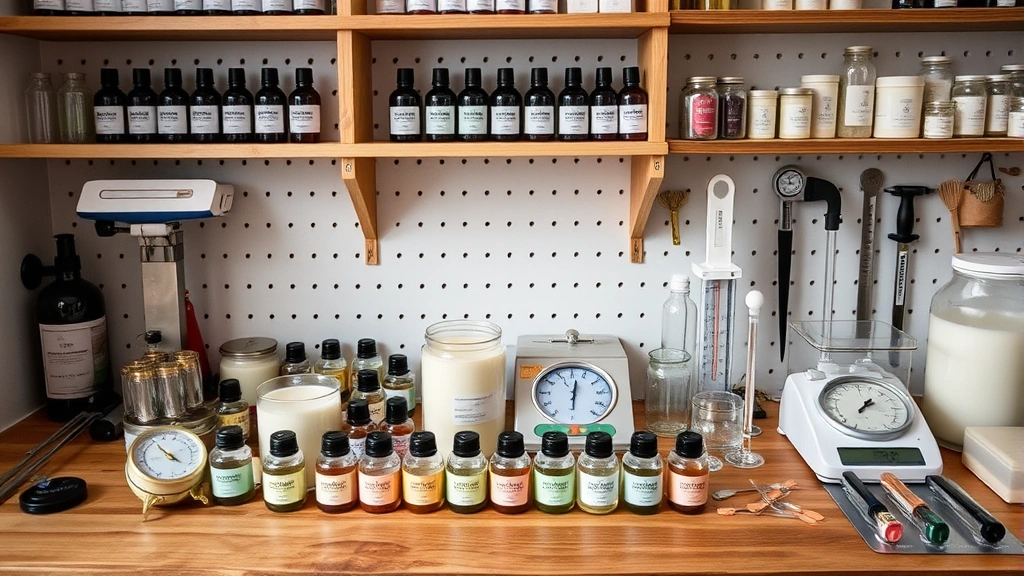
I always check the flash point before buying fragrance oil. This is the temperature at which the oil becomes flammable, and you want something above 160°F for candle safety. Check the supplier’s specifications or use the fragrance wheel to understand scent families and find combinations that work together. Some oils blend beautifully while others clash, so testing small batches first saves money and prevents wasted wax.
Maximizing Scent Throw and Burn Performance
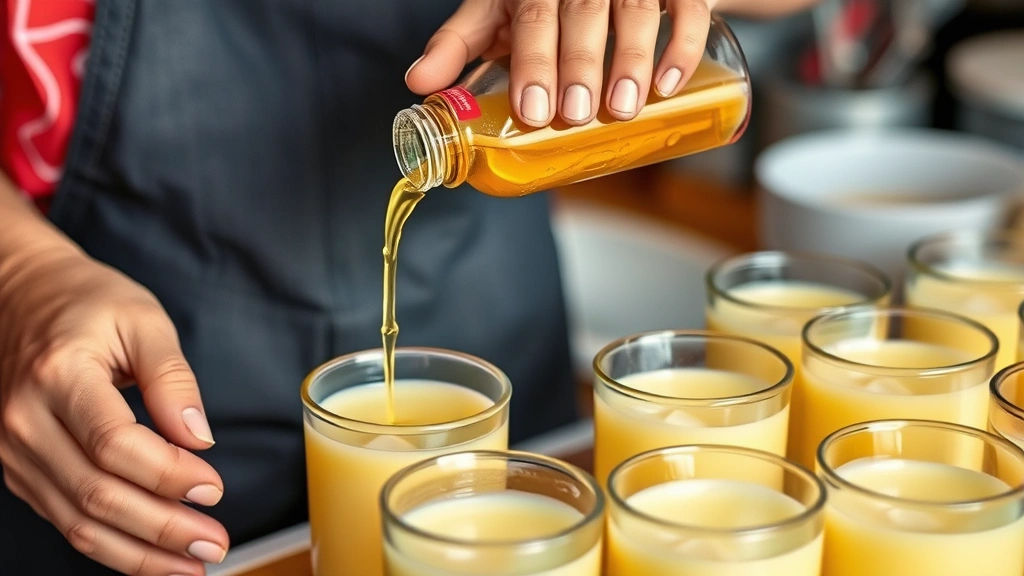
Scent throw is how far your candle’s aroma travels through a room. On my skin and throughout my home, I’ve noticed that fragrance oil concentration directly impacts this. Most candle makers use 0.5 to 1 ounce of fragrance oil per pound of wax, but some oils are more potent than others. Starting at 0.5 oz per pound and testing gives you control over intensity without overwhelming people.
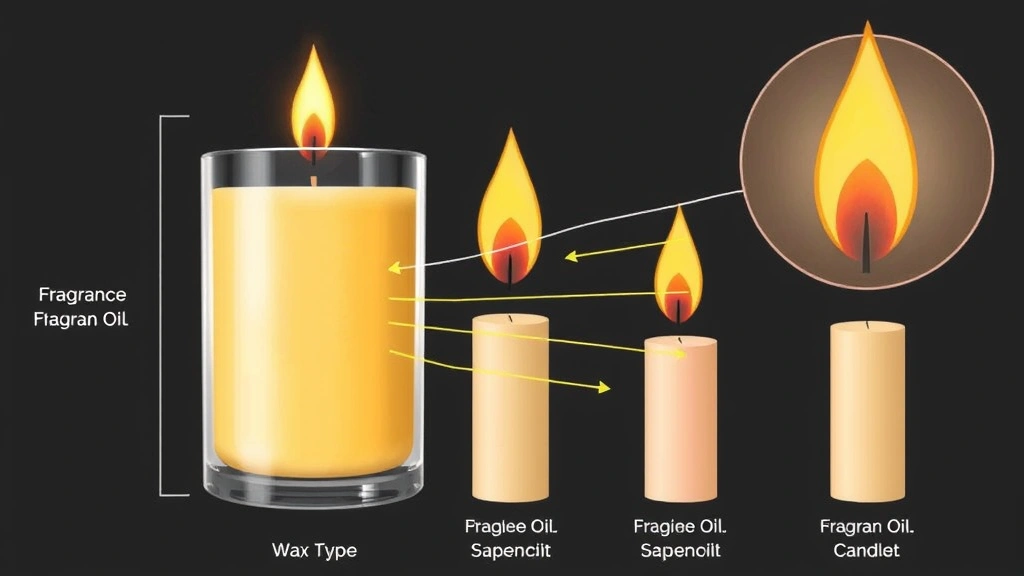
The type of wax matters too. Soy wax holds fragrance differently than paraffin or blended wax. I’ve found that fragrance oils perform best when the wax is at the right temperature during pouring—usually between 170°F and 185°F depending on your wax type. Too hot and the oils break down; too cool and they don’t distribute evenly. Keep detailed notes on what works so you can replicate success.
Proper wick selection also affects how fragrance releases. A wick that’s too thin won’t create enough heat to release the scent, while one that’s too thick causes excessive smoking and uneven burning. The burn pool should reach the edges of your container within 2-3 hours for optimal performance.
Storage and Shelf Life Considerations
Fragrance oils degrade over time, especially when exposed to light, heat, or air. I store mine in dark glass bottles in a cool cabinet, similar to how you’d store fine fragrances. Check out fragrance storage best practices to keep your oils fresh longer. Most quality fragrance oils last 1-2 years before losing potency, so buying in bulk only makes sense if you use them regularly.
Once you’ve made your candles, storage conditions affect longevity too. Candles stored in direct sunlight or warm rooms will sweat out their fragrance oils over time. I keep finished candles in cool, dark places and notice they perform better when lit within 6 months of making. Older candles still work, but the scent throw diminishes noticeably.
✅ Pros
- Specifically formulated to withstand heat without breaking down or losing scent profile
- Provides consistent, predictable scent throw across multiple candle batches
- Available in hundreds of scent options, from realistic florals to gourmand blends
- Longer shelf life than essential oils when stored properly
- Can be blended to create custom scents unique to your brand
❌ Cons
- More expensive than some alternatives but cheaper than quality essential oils
- Quality varies significantly between suppliers, requiring careful sourcing
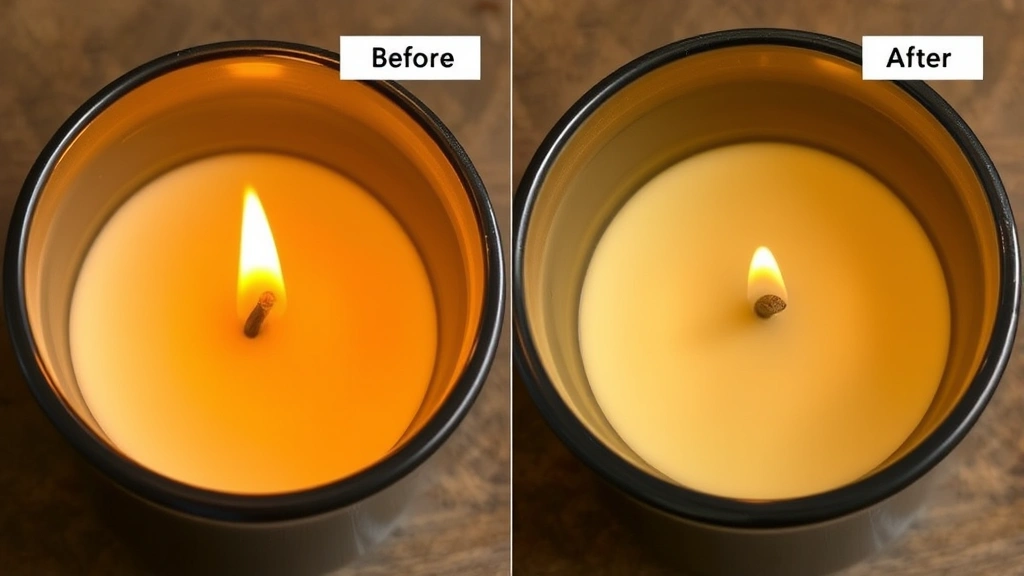
- Some oils can cause discoloration or separation issues in certain wax types
Blending Oils for Unique Scents
Creating custom blends is where candle making gets fun. I’ve experimented with mixing fragrance oils to develop signature scents that complement my home. Start by understanding floral fruity gourmand fragrances since these categories blend predictably. A typical approach is 50% base note, 30% middle note, 20% top note.
Test blends in small batches before committing to large quantities. I use 1-ounce samples of wax with drops of different oils, melt them together, and evaluate the scent after cooling. This method costs little but prevents expensive mistakes. Some oils smell completely different in the melted wax versus smelling them straight from the bottle, so this testing step is crucial.
Keep detailed records of successful blends with exact measurements. I’ve had blends I loved but couldn’t recreate because I didn’t write down the formula. Using a scale that measures in tenths of an ounce ensures consistency across batches.
💡 Pro Tip: Always test fragrance oils in small batches before scaling to full production
Ten Essential Ways to Enhance Your Candle Aroma
Beyond just using fragrance oil, there are specific techniques that maximize your candle’s aromatic impact. First, choose quality fragrance oils from reputable suppliers—cheap oils often contain fillers that reduce scent throw. Second, maintain proper wax-to-oil ratios; too little fragrance wastes potential, too much causes poor burning.
Third, use a heat gun or blow dryer to smooth candle tops before selling or gifting them, as rough tops absorb fragrance unevenly. Fourth, add color with candle-safe dyes before fragrance oil, since dyes and oils can separate if added simultaneously. Fifth, let candles cure for 24-48 hours before burning so the fragrance fully integrates with the wax.
Sixth, use the right wick size for your container—this affects burn temperature and scent release. Seventh, consider using a fragrance lamp alongside candles for layered ambient scent. Eighth, rotate your fragrance oil stock so older oils get used first. Ninth, test burn your candles before selling to catch performance issues. Tenth, store finished candles in airtight containers if you’re not burning them immediately.
❓ Frequently Asked Questions
Can I use perfume or essential oils instead of fragrance oil for candles?
No. Perfume contains alcohol that evaporates in heat and essential oils have different flash points that make them unsafe for candles. Fragrance oils are formulated specifically to survive candle temperatures and provide consistent scent throw.
What’s the ideal fragrance oil concentration for candles?
Most candle makers use 0.5 to 1 ounce of fragrance oil per pound of wax. Start at the lower end and test, increasing concentration if needed. More oil doesn’t always mean better scent—it can actually reduce burn quality.
How long does fragrance oil last in a finished candle?
Quality fragrance oils in properly made candles last through the candle’s entire burn life. However, scent throw diminishes gradually, and candles older than 6-8 months may smell weaker even if they still burn fine.
Why does my candle smell weak even though I used fragrance oil?
Several factors affect this: the wick might be too small (not creating enough heat), the fragrance oil concentration might be too low, the oil might be low-quality, or you might be testing in a large room. Test with a smaller space first.
Should I add fragrance oil before or after pouring the wax?
Add fragrance oil to wax that’s at the right temperature—usually 170-185°F—then stir thoroughly before pouring. Adding it after pouring creates uneven distribution and weak scent.
How do I know if my fragrance oil is suitable for candles?
Check the supplier’s specifications for flash point (should be above 160°F) and whether it’s labeled as candle-grade fragrance oil. Reading reviews from other candle makers also helps identify reliable oils.