⚡ Quick Answer
Cologne and perfume differ primarily in fragrance concentration, longevity, and price. Perfume contains 15-40% fragrance oils and lasts 6-8 hours, while cologne has 2-5% concentration and typically lasts 2-4 hours. Understanding what is the difference between cologne and perfume helps you choose the right product for your needs and budget.
At a Glance: The Core Differences
When I first started exploring fragrances, I realized that calling everything “cologne” was oversimplifying things. The difference between cologne and perfume comes down to a few key factors: fragrance concentration, how long they last on your skin, and how much you’ll spend. Perfume is the most concentrated and expensive option, while cologne is lighter, more affordable, and perfect for everyday wear. There are also eau de toilette and eau de parfum sitting in between, each with their own purpose.
The main thing that separates these products is the percentage of fragrance oils dissolved in alcohol. This percentage directly affects how strong the scent is, how long it lingers, and ultimately, how much you need to spend. I’ve found that knowing these distinctions takes the guesswork out of buying fragrances.
The 8 Essential Differences Explained
1. Fragrance Concentration
Perfume contains 15-40% fragrance oils, making it the most potent option. Cologne sits at the lighter end with just 2-5% fragrance oils. Eau de parfum (12-20%) and eau de toilette (5-15%) fill the middle ground. This concentration is what determines how much scent you actually smell and how long it sticks around.
2. Longevity and Wear Time
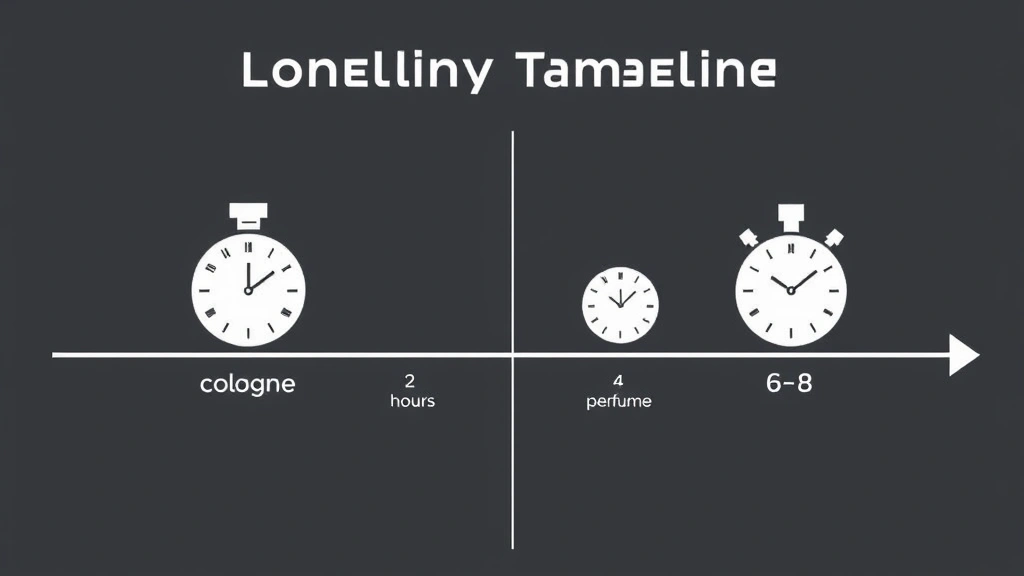
Perfume lasts the longest, typically 6-8 hours or more on the skin. Cologne usually fades after 2-4 hours, which is why you might need to reapply during the day. Eau de parfum lasts about 4-6 hours, and eau de toilette falls between cologne and eau de parfum at around 3-5 hours. On my skin, I’ve noticed cologne needs a touch-up by mid-afternoon.
3. Price Point
Perfume is the most expensive because of its high concentration of fragrance oils. A small bottle of perfume can cost significantly more than a larger bottle of cologne. Cologne is budget-friendly, making it ideal if you want to try new scents without breaking the bank. This is why many people start with cologne before investing in pricier perfume options.
4. Application Amount
Because perfume is so concentrated, you only need a small amount—usually one or two spritzes. Cologne requires more product to achieve the same scent intensity, so you might spray 3-4 times or more. Understanding how to apply cologne properly ensures you’re using the right amount for the best results.
5. Intensity and Projection
Perfume projects strongly, meaning people around you will notice it from a distance. Cologne is more subtle and personal, creating a closer scent bubble around you. If you prefer a fragrance that announces itself, perfume is your choice. For something understated, cologne works better. I prefer cologne for office settings and perfume for evening events.
6. Skin Chemistry Impact
Because cologne has less fragrance concentration, it’s less likely to develop strong chemical reactions with your body chemistry. Perfume’s higher concentration means it can smell quite different on your skin compared to someone else’s. This is why testing before buying is crucial for perfume.
7. Alcohol Content
Both cologne and perfume are alcohol-based, but cologne typically has a higher alcohol-to-fragrance ratio. This makes cologne evaporate faster, which contributes to its shorter wear time. Perfume’s lower alcohol ratio allows the fragrance oils to linger longer on the skin.
8. Occasion Suitability
Cologne works great for casual daily wear, workouts, and daytime activities. Perfume is better suited for evening events, special occasions, and situations where you want a lasting impression. Learning where to apply cologne and when to use perfume helps you match the product to the moment.
Pros and Cons: Cologne vs. Perfume
Each fragrance type has distinct advantages and drawbacks depending on how and when you plan to use it.
Cologne Pros:
- Affordable and budget-friendly for experimenting with new scents
- Light and fresh, perfect for daytime and casual wear
- Less likely to overwhelm in close quarters or professional settings
- Requires less product per application
- Great for layering with other scented products
Cologne Cons:
- Shorter wear time (2-4 hours) requires frequent reapplication
- Less impressive for evening events or special occasions
Perfume Pros:
- Exceptional longevity lasting 6-8+ hours
- Powerful projection that makes a statement
- More complex scent development and layering
- Small amount goes a long way
- Perfect for formal events and special occasions
- Better value over time despite higher initial cost
Perfume Cons:
- Significantly more expensive upfront
- Can be overwhelming in small spaces or professional environments
- Higher concentration means skin chemistry plays a bigger role
When to Choose Cologne vs. Perfume
Choosing between cologne and perfume depends on what you’re doing and how long you’ll be out.
Best Times for Cologne:
- Daily commute to work or school
- Gym sessions or athletic activities
- Casual outings and shopping
- Office or professional environments
- Daytime social gatherings
- When you want something light and refreshing
Best Times for Perfume:
- Evening dates and romantic occasions
- Weddings, galas, and formal events
- Nights out clubbing or partying
- Important meetings or presentations where you want to stand out
- Travel where you want fragrance to last all day
- When you want maximum longevity and projection
I typically keep a bottle of cologne in my desk at work and cologne in my everyday bag for touch-ups. My perfume sits in a cool spot at home, reserved for special occasions. This strategy ensures I have the right fragrance for every situation without overspending.
Learning proper storage techniques also matters. Understanding cologne storage helps preserve the integrity of your fragrances, whether you’re stocking cologne or perfume. Keep both away from direct sunlight and heat to maintain their quality.
✅ Pros
- Cologne is affordable and perfect for daily experimentation with new scents
- Perfume lasts 6-8+ hours, eliminating the need for midday reapplication
- Understanding the difference helps you choose the right fragrance for any occasion
- Cologne’s lighter projection makes it ideal for professional environments
- Perfume provides better value over time despite higher upfront cost
- Multiple fragrance types available means options for every budget and lifestyle
❌ Cons
- Cologne requires frequent reapplication throughout the day (every 2-4 hours)
- Perfume’s high concentration and cost make it less accessible for budget-conscious buyers
- Cologne may not last long enough for evening events or important occasions
- Perfume can feel overwhelming in close quarters or professional settings
Understanding the Full Fragrance Spectrum
Beyond cologne and perfume, there are other fragrance formats worth knowing about.
Eau de Toilette (EDT)
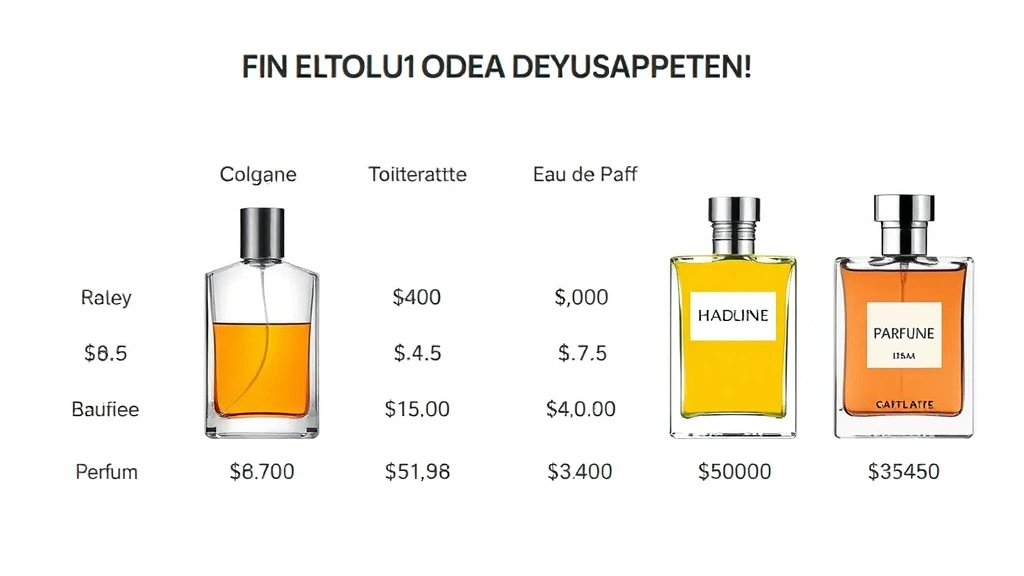
Eau de toilette sits between cologne and eau de parfum with 5-15% fragrance concentration. It lasts about 3-5 hours and costs less than perfume but more than cologne. Many popular designer fragrances come in eau de toilette format, making it a solid middle-ground option.
Eau de Parfum (EDP)
Eau de parfum has 12-20% fragrance concentration and lasts 4-6 hours. It’s pricier than eau de toilette but cheaper than pure perfume. This is often the sweet spot for people wanting better longevity without perfume’s high cost.
Other Fragrance Formats
Beyond traditional liquid fragrances, there are alternatives like solid fragrance and attar fragrance that offer unique applications and benefits. Solid fragrance is portable and mess-free, while attar fragrance provides an oil-based option without alcohol. These formats cater to different preferences and lifestyles.
Designer brands like Dolce and Gabbana and Estée Lauder offer their fragrances in multiple formats, so you can choose the concentration that works best for you. This gives you flexibility in finding the perfect match.
💡 Pro Tip: Start with cologne to discover your fragrance preferences before investing in expensive perfume
Making Your Choice
The difference between cologne and perfume ultimately comes down to your lifestyle, budget, and fragrance goals. If you’re building your first fragrance collection, I’d recommend starting with cologne. It’s affordable, easy to wear daily, and won’t overwhelm you while you’re learning what scents you actually like.
Once you know your preferences, invest in an eau de parfum or perfume for special occasions. This gives you versatility without spending too much upfront. Many fragrance lovers end up with both, using cologne for work and perfume for evenings.
Remember that how to apply cologne properly makes a difference in performance. Whether you’re wearing cologne or perfume, application technique affects how the fragrance develops on your skin. Spray on pulse points and let it dry naturally without rubbing.
The best fragrance is one you’ll actually wear, so don’t get too caught up in concentration percentages. Pay attention to how different products make you feel and perform throughout your day. Your personal preference always trumps the rules.
❓ Frequently Asked Questions
Is cologne the same as perfume?
No. Cologne and perfume differ in fragrance concentration (cologne has 2-5%, perfume has 15-40%), longevity (cologne lasts 2-4 hours, perfume lasts 6-8+ hours), and price. Perfume is more concentrated and expensive, while cologne is lighter and more affordable.
Can I wear cologne instead of perfume?
Yes, but you’ll need to reapply more frequently. Cologne lasts only 2-4 hours, so if you need all-day fragrance, perfume or eau de parfum is better. For daytime wear, cologne works perfectly fine.
Why is perfume more expensive than cologne?
Perfume costs more because it contains a higher percentage of fragrance oils (15-40% vs. 2-5% in cologne). More fragrance oils mean better longevity and stronger scent, justifying the higher price. You also use less of it per application.
How much cologne should I apply?
Apply 3-4 spritzes of cologne to pulse points like the neck, wrists, and inner elbows. Since cologne has lower concentration, you need more product than perfume. Start with this amount and adjust based on personal preference and occasion.
What’s the difference between eau de toilette and eau de parfum?
Eau de toilette has 5-15% fragrance concentration and lasts 3-5 hours, while eau de parfum has 12-20% and lasts 4-6 hours. Eau de parfum is stronger, longer-lasting, and more expensive than eau de toilette.
Should men wear cologne or perfume?
Both are suitable for men. Cologne is popular for daily wear due to its lightness and affordability, while perfume works for special occasions when you want stronger projection and longer wear. Personal preference matters most.