⚡ Quick Answer
Cologne, Germany offers incredible attractions from the iconic Gothic cathedral to world-class museums along the Rhine. I’d recommend spending at least 3-4 days exploring the old town, visiting fragrance museums, and taking river cruises to experience this historic city fully.
Why Attractions in Cologne Germany Matter to Your Visit
Cologne is one of Germany’s most visited cities, and for good reason. The attractions in Cologne Germany span centuries of history, culture, and innovation. I noticed that most travelers underestimate how much there is to see and do here. Whether you’re planning a quick weekend getaway or an extended stay, understanding the top attractions helps you make the most of your time. The city sits perfectly on the Rhine River, making it an ideal base for exploring the broader region.
What makes Cologne special is how walkable everything is. You can stand in the shadow of the massive cathedral and see museums, shopping districts, and riverside parks all within walking distance. Before you book your airfares to Cologne, knowing what to expect will help you pack smarter and plan better.
The Historical Heart: Cologne Cathedral and Old Town
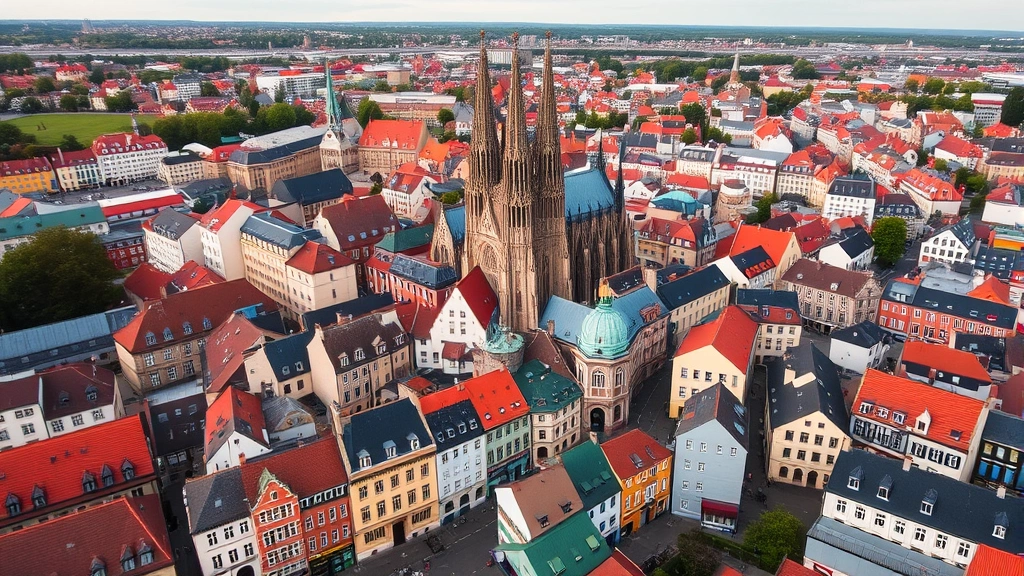
The Cologne Cathedral (Kölner Dom) is the most recognizable attraction in Cologne Germany. This UNESCO World Heritage site took over 600 years to complete, and standing in front of it is genuinely humbling. I spent nearly two hours just exploring the interior, climbing the 533 steps to the tower for views across the entire city and Rhine Valley.
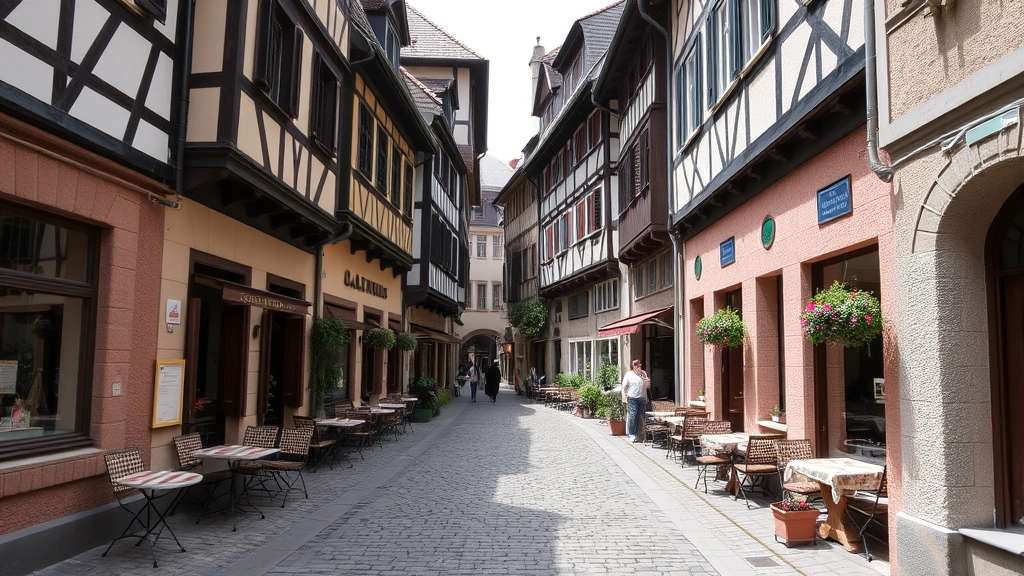
The Old Town (Altstadt) surrounds the cathedral and feels frozen in time. Narrow cobblestone streets lead to half-timbered buildings, cozy beer gardens, and traditional Cologne restaurants. The Alter Markt square is perfect for people-watching with a local Kölsch beer. On my visit, I noticed locals treating this area as their living room, which tells you something about how integral it is to daily life.
Don’t miss the Roman-Germanic Museum right next to the cathedral. It houses one of the world’s finest collections of Roman artifacts, including stunning mosaics and glassware that show how important Cologne was during Roman times.
Museum Mile and Cultural Attractions
Cologne’s Museum Mile stretches along the Rhine and contains over a dozen world-class museums. I’d recommend starting with the Museum Ludwig, which has an exceptional modern art collection including works by Picasso, Warhol, and Hockney. The building itself is architectural eye candy overlooking the river.
If you’re interested in fragrance history, the 4711 Cologne house museum is fascinating. It’s the birthplace of the original Eau de Cologne fragrance, and you can learn about how this invention changed the perfume industry forever. The museum walks you through the history and even lets you experience the different scents.
The Wallraf-Richartz Museum houses medieval and modern art, with paintings that range from the 13th century to contemporary works. I spent hours here and still didn’t see everything. The German Sports Museum is also worth visiting if you’re interested in how sports shaped German culture.
Pro tip: Many museums offer combined tickets that save money if you’re planning to visit several. The museums tend to be less crowded on weekday mornings.
Rhine River Experiences and Scenic Routes
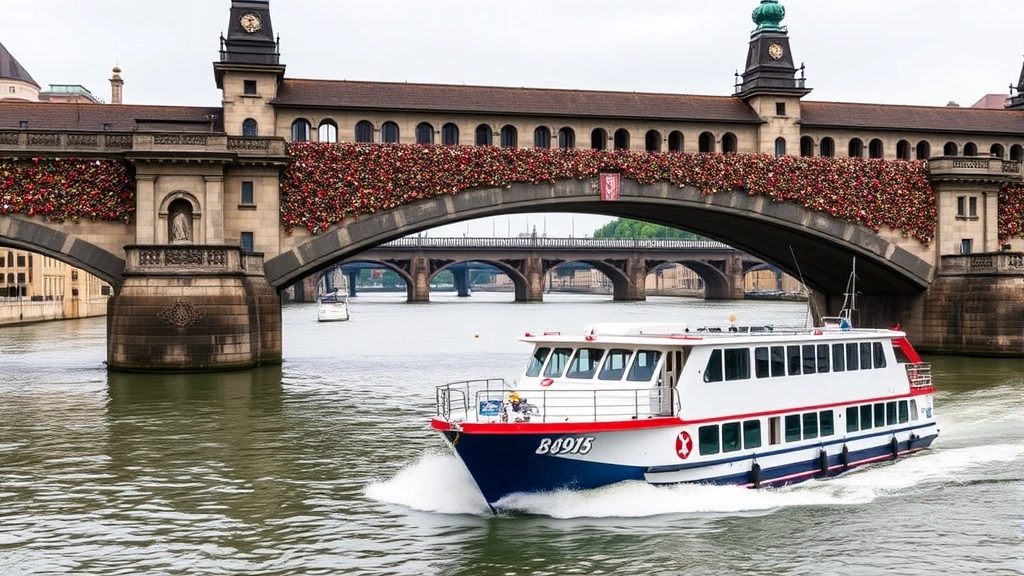
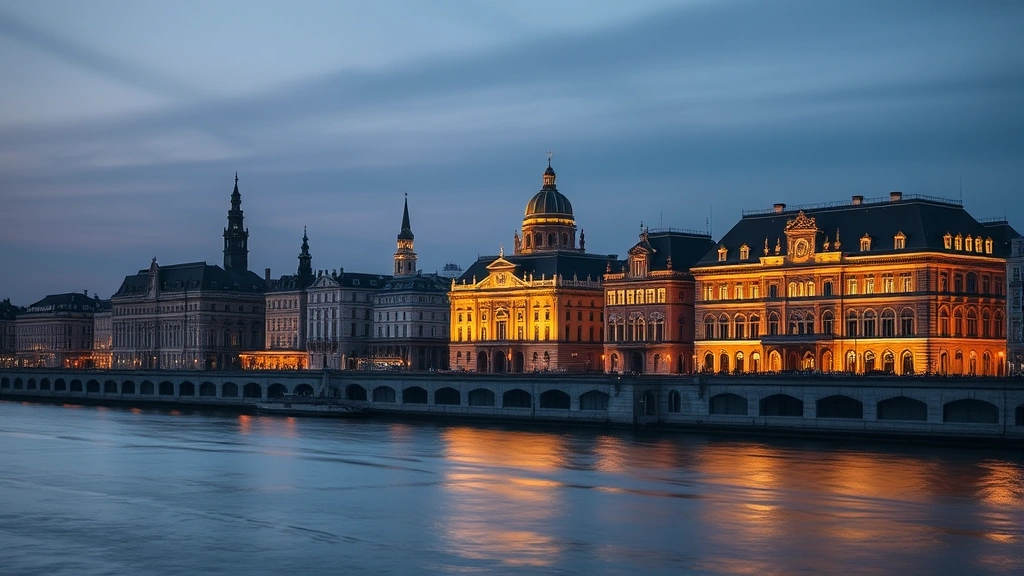
Taking a Rhine River cruise is one of the best ways to experience Cologne’s geography and see attractions you’d miss from street level. I booked a half-day cruise that took us past the cathedral, under multiple bridges, and through wine-growing regions. The views are spectacular, especially during golden hour near sunset.
Several companies offer different options: quick 1-hour city cruises, full-day wine valley tours, or multi-day river cruises if you want to visit other Rhine towns. The Köln-Düsseldorf company is the largest operator and has excellent reviews.
If you prefer staying on land, the Rhine Promenade (Rheinufer) offers walking and cycling paths with constant river views. I noticed families, joggers, and couples enjoying the paths at all hours. The area near the Hohenzollern Bridge is particularly stunning, with thousands of padlocks left by visitors symbolizing love and commitment.
For a different perspective, take the cable car (Kölner Seilbahn) across the Rhine. It’s been operating since 1957 and gives you aerial views while you cross. The experience takes about 6 minutes but feels like a mini-adventure.
✅ Pros
- Iconic cathedral is genuinely awe-inspiring and free to enter
- Museums are world-class with affordable entry fees
- Old town is completely walkable with authentic beer culture
- Perfect location for Rhine Valley day trips and exploring nearby regions
- Excellent public transportation makes getting around effortless
- Local food and beer scene is affordable and authentic
❌ Cons
- Summer months are crowded with tourists and prices spike significantly
- Weather can be gray and rainy, especially November through March
- Some museums require 2-3 hours each, limiting how many you can see daily
Markets, Shopping, and Local Experiences
Cologne’s Christmas markets are legendary, but the city has markets year-round that showcase local culture. The Alter Markt hosts a flower market daily, while specialty markets pop up seasonally. I visited during autumn and found a fantastic farmers market with local produce, cheeses, and prepared foods.
The Schildergasse is one of Europe’s longest shopping streets, packed with international brands and local boutiques. If you prefer unique finds, explore the neighborhoods of Ehrenfeld and Nippes, where independent shops sell vintage clothing, local art, and handmade goods.
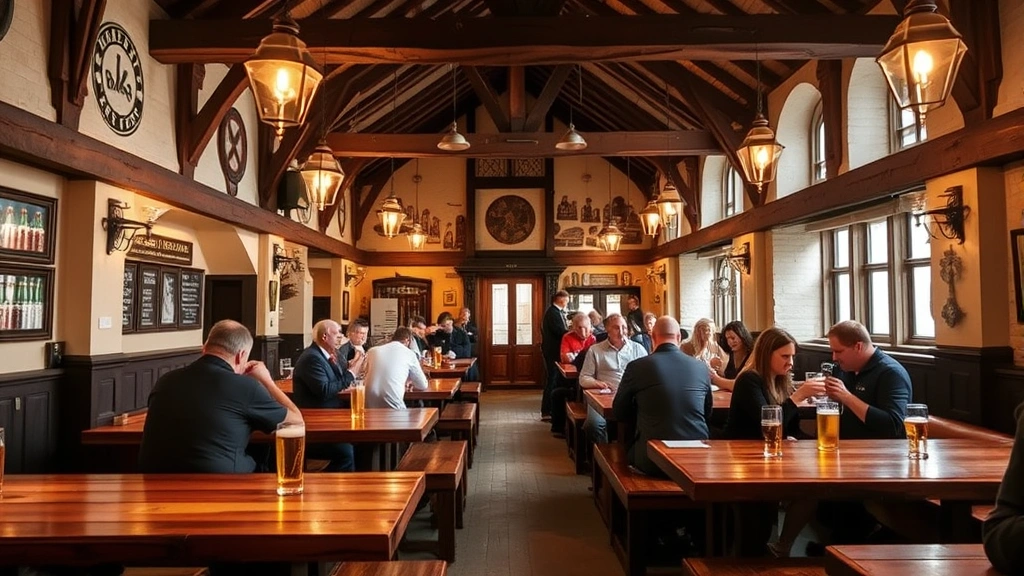
For authentic Cologne experiences, visit a traditional brewery like Früh or Gaffel. These breweries have been operating for centuries and serve only their house beer in small 200ml glasses called Stangen. The atmosphere is convivial and genuinely local. I sat at a communal table and ended up chatting with residents who gave better recommendations than any guidebook could.
The Cologne Zoo is one of Germany’s oldest and most beautiful, with over 10,000 animals. If you’re traveling with family, it’s a full-day attraction worth planning for.
💡 Pro Tip: Buy a Cologne Card for discounts on museums and public transportation
Day Trips and Extended Exploration
Cologne’s location makes it perfect for day trips. The Rhine Valley towns of Rüdesheim and Bingen are 90 minutes away and famous for wine, castles, and hiking. I took a train to Rüdesheim and spent the day walking through vineyards with views that made my camera work overtime.
Düsseldorf, another major city, is just 45 minutes north by train. The Altstadt there rivals Cologne’s in charm, and the art scene is equally impressive. Bonn, the former West German capital, sits south and offers Beethoven museums and beautiful government buildings.
If you’re planning a longer Germany trip, consider that Cologne is on major train routes connecting to Frankfurt, Berlin, Munich, and Amsterdam. Many travelers use it as a hub for exploring central Europe. When planning your transportation, remember to check can I take cologne on plane if you’re bringing fragrance souvenirs like genuine travel size cologne from local shops.
The timing of your visit matters. Spring (April-May) and fall (September-October) offer perfect weather and smaller crowds than summer. Winter brings Christmas markets but cold temperatures. I visited in September and found it ideal – comfortable weather and manageable tourist crowds.
❓ Frequently Asked Questions
How many days should I spend in Cologne?
I’d recommend 3-4 days minimum. This gives you time to see the cathedral, explore the old town, visit 2-3 museums, take a river cruise, and experience the local beer culture without feeling rushed. If you have a week, you can add day trips to surrounding regions.
What is the best time to visit Cologne?
Late September through October offers ideal weather and moderate crowds. Spring (April-May) is also excellent. December brings magical Christmas markets but cold weather. Summer is warmest but most crowded and expensive. Avoid January and February when it’s cold and gray.
Is Cologne expensive to visit?
It’s moderately priced compared to other major German cities. Museum entry is reasonable (10-15 euros), beer is cheap, and food ranges from affordable street food to upscale dining. Accommodation is more expensive in the center but reasonable in surrounding neighborhoods. Your budget depends heavily on where you eat and stay.
Can I visit the cathedral for free?
The cathedral itself is free to enter and explore the main floor. However, climbing the tower costs about 5 euros and is worth it for the views. Attending a service is also free if you want to experience the interior at its most atmospheric.
What’s special about Kölsch beer?
Kölsch is a light, crisp beer unique to Cologne, served in small 200ml glasses. It’s traditionally only brewed in Cologne, so trying it at a historic brewery is a must-do experience. The ritual of visiting a brewery and sitting at communal tables is as important as the beer itself.
How do I get around Cologne?
The old town is completely walkable. For longer distances, the public transit system (U-Bahn, S-Bahn, trams) is excellent and cheap. A day pass costs about 9 euros and covers unlimited travel. Cycling is also popular and bike rentals are readily available.