⚡ Quick Answer
A successful cologne maker needs to master fragrance composition, understand market positioning, and build brand authenticity. Focus on quality ingredients, distinctive scent profiles, and strategic marketing to stand out in a competitive fragrance industry.
Why It Matters to Be a Smart Cologne Maker
Being a cologne maker in today’s market means you’re competing against established brands like Creed, Armani, and Calvin Klein. What separates successful fragrance creators from the rest is understanding that cologne making isn’t just about mixing pleasant-smelling ingredients. It’s about creating an experience that connects with your audience.
I’ve noticed that the best cologne makers focus on three core areas: the actual fragrance composition, the brand story they tell, and how they position themselves in the market. When you get these right, customers don’t just buy a bottle—they buy into your vision. The fragrance industry is worth billions because people are willing to invest in quality scents that make them feel confident.
Your job as a cologne maker is to understand what your target audience actually wants. Are they looking for fresh citrus notes like those in popular men’s fragrances, or do they prefer deeper woody scents? Understanding the fragrance wheel and how different notes interact helps you create something memorable.
Master Your Ingredients: The Foundation of Quality
Every cologne maker needs to understand their raw materials. The difference between a good fragrance and a great one comes down to ingredient quality. You’re working with three main components: top notes, heart notes, and base notes. Each serves a purpose in how the fragrance develops on skin.
Top notes hit first—citrus, bergamot, and light florals create that initial impression. These fade quickly, usually within 15 minutes. Heart notes emerge next and last longer, typically 3-5 hours. These are where you put your signature scent DNA. Base notes are the foundation, lasting 6+ hours. Woods, musks, and amber compounds give your fragrance staying power.
I recommend studying successful fragrances from brands like Creed best fragrances to understand how master perfumers layer these notes. When you source high-quality essential oils and aroma chemicals, your customers notice. Cheap ingredients make cheap fragrances. Investment in premium materials isn’t optional if you want to compete.
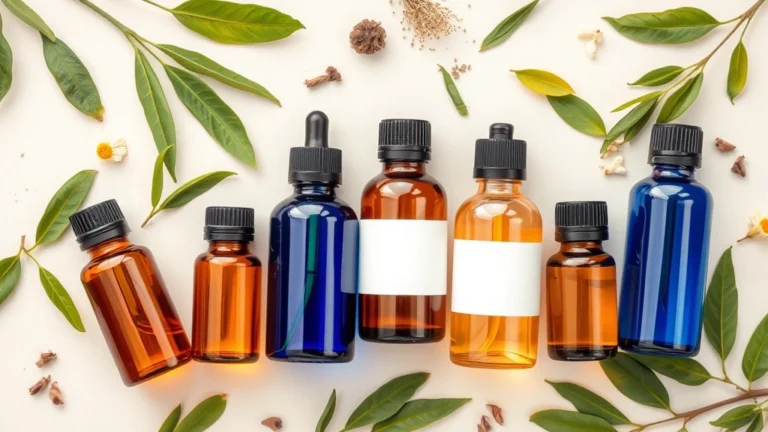
Consider where your ingredients come from. Natural versus synthetic components each have advantages. Natural ingredients cost more but appeal to certain market segments. Synthetics offer consistency and cost control. Many successful cologne makers blend both strategically.
Build Your Fragrance Layer by Layer
Creating a balanced fragrance requires understanding how to layer scent components. Start by deciding your fragrance concentration. Eau de Cologne is 3-5% fragrance oils, Eau de Toilette is 5-15%, and Eau de Parfum is 15-20%. Higher concentration means longer wear and stronger presence—important factors for your positioning.
Next, map out your scent journey. On my skin testing, I always notice how a fragrance evolves. The opening should grab attention. Maybe you go with bright citrus or spicy top notes. Then the fragrance should transition smoothly into the heart. This is where your brand identity lives. Maybe you’re known for floral-forward scents, woody aromatic blends, or fruity fragrances.
The base is where you anchor everything. This is where longevity happens. A weak base means your fragrance disappears quickly, and customers won’t repurchase. Strong base notes create that 8+ hour wear time that makes people feel they got value.
Test your formulas repeatedly. Small adjustments in percentages create big differences in how a fragrance performs. A cologne maker who rushes this stage produces inconsistent results. Take time to refine. Write down exact measurements. Consistency across batches is non-negotiable for building customer trust.
Test Performance and Longevity Seriously
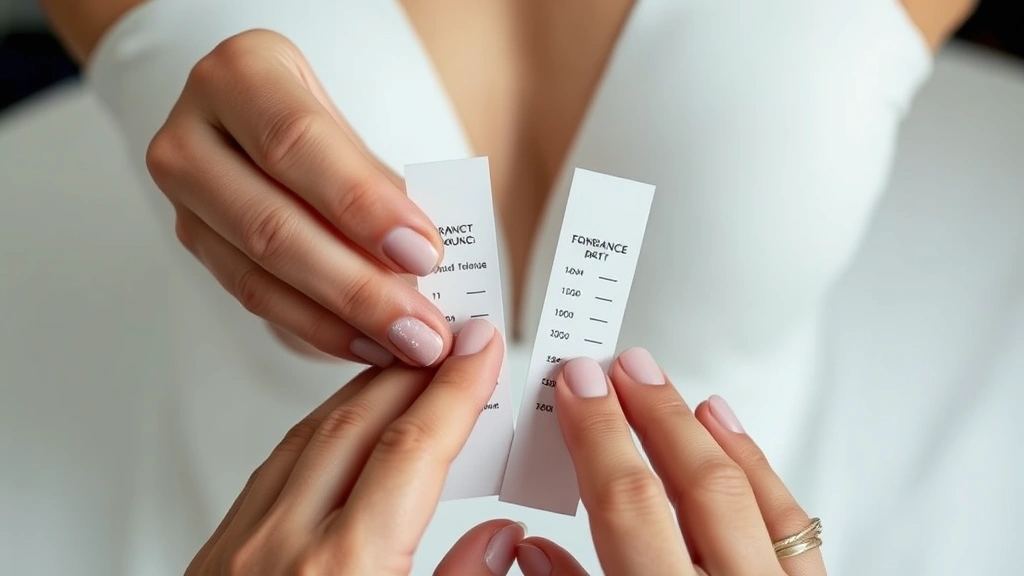
Every cologne maker should have a rigorous testing protocol. You need to understand how your fragrance performs in real conditions. Lab testing is one thing, but real-world testing tells the actual story. Apply your fragrance to skin strips, wear it throughout the day, and track how it develops.
I track longevity by noting when I can still smell it on my wrist, when others can smell it on me from a distance, and when it becomes a skin scent only. Most customers care about 6-8 hour wear time for daily fragrances. If your cologne fades after 2 hours, you’ve got a problem.
Test in different conditions. Heat affects fragrance differently than cool weather. Humidity changes how scent projects. Your fragrance might smell perfect in your lab but perform differently in real climates. This is why brands like Dolce and Gabbana Light Blue fragrance work across seasons—they’re engineered for performance.
Get feedback from diverse testers. Men’s skin chemistry differs from women’s. Age, diet, and body chemistry all affect how fragrance smells on different people. What smells incredible on one person might smell flat on another. Understanding this variation helps you market your fragrance accurately.
Document everything. Build a testing database showing performance across skin types, temperatures, and application methods. This data becomes valuable when customers ask questions or when you need to troubleshoot batches.
✅ Pros
- Full creative control over your fragrance creations and brand identity
- Direct relationship with customers providing valuable feedback
- Higher profit margins compared to wholesale retail products
- Ability to innovate and respond to market trends faster than large companies
- Building a passionate community around your unique brand story
- Opportunity to use premium ingredients and create distinctive scents
❌ Cons
- High initial investment in quality ingredients, equipment, and testing
- Intense competition from established brands with massive marketing budgets
- Regulatory compliance and fragrance safety testing requirements
Position Your Fragrances for Every Season
Smart cologne makers develop seasonal offerings. Not every fragrance works year-round. Fresh, citrus-forward scents feel right in spring and summer. Warmer, spicier fragrances resonate in fall and winter. Understanding this helps you market your products effectively and build a complete collection.
Spring fragrances should feel light and optimistic. Think citrus, green notes, and fresh florals. Summer demands even lighter compositions with good performance in heat. Fruity fragrances work well here. Check out what’s popular in fruity fragrance categories to understand market expectations.
Fall is when you can go deeper. Woody notes, amber, and subtle spice create that cozy feeling. Winter allows for richer, more intense fragrances. Oud, leather, and dark florals appeal to people seeking something substantial during cold months.
But don’t be rigid. Some customers want the same fragrance year-round. Your job is offering variety while respecting that loyalty. Consider creating flankers—variations on your core scent with seasonal twists. This keeps your brand fresh while maintaining core identity.
🔄 How It Compares: Position yourself against Creed by emphasizing your unique ingredient sourcing and personal connection
Build Your Brand and Market Position
Being a successful cologne maker means more than making good fragrances. You need a clear brand position. Are you the luxury option like Creed? The affordable option competing in Calvin Klein’s space? The niche artisanal brand? Your positioning affects pricing, distribution, marketing, and everything else.
Study your competitors. Look at Armani fragrance for him to understand how established brands position themselves. Check Bvlgari colognes and Cartier cologne to see premium positioning. This research informs your own strategy.
Your brand story matters. Why did you start making fragrances? What makes your approach different? This authenticity resonates with customers tired of faceless corporate fragrances. Share your ingredient sourcing, your creative process, your inspiration. People buy from people they trust.
Consider your distribution carefully. Direct-to-consumer allows higher margins but requires marketing investment. Retail partnerships give credibility but reduce control. Subscription boxes introduce new customers but at discount prices. Each channel has trade-offs.
Build community around your brand. Engage on social media. Create content about fragrance education. Partner with influencers who genuinely align with your vision. The fragrance wheel education content gets shared because people find it useful. Be useful first, sell second.
Understand pricing psychology. Your fragrance concentration, bottle quality, and brand positioning all justify price points. A 100ml bottle of Eau de Parfum justifies higher pricing than Eau de Toilette. Premium materials and limited batches support premium prices. Communicate this value to customers.
❓ Frequently Asked Questions
What percentage of fragrance oil should I use in my cologne?
Eau de Cologne uses 3-5% fragrance oils, Eau de Toilette uses 5-15%, and Eau de Parfum uses 15-20%. Higher percentages create longer-lasting fragrances but cost more. Start with Eau de Toilette as your main offering since it balances cost and performance.
How long should I test a fragrance before launching?
Minimum 3-4 weeks of real-world testing with multiple testers. You need to understand performance across different skin types, climates, and activities. Many cologne makers test for months to ensure consistency before production.
Should I use natural or synthetic fragrance ingredients?
Both have merits. Natural ingredients appeal to premium markets but cost more and have variable quality. Synthetics offer consistency and cost control. Most successful fragrances blend both strategically based on their brand positioning and target audience.
How do I stand out against established fragrance brands?
Focus on authenticity, quality, and a clear brand story. You can’t out-market Creed or Calvin Klein, but you can be more genuine and personal. Develop distinctive scent profiles, build community, and deliver exceptional customer service that big brands can’t match.
What’s the most important factor in fragrance success?
The fragrance itself. No marketing saves a bad scent. Invest in quality ingredients, master your formulation, and test relentlessly. A great fragrance generates word-of-mouth marketing that paid advertising can’t buy.
How should I price my cologne as a new maker?
Research comparable fragrances in your category. Consider your costs, positioning, and market segment. Don’t race to the bottom on price—that destroys margins. Instead, justify your price through ingredient quality, brand story, and customer experience.