⚡ Quick Answer
Layering fragrances means combining scents strategically to create depth and longevity. Start with a fragrance primer or matching body lotion, apply your main fragrance, then add complementary scents to enhance projection and create a unique signature smell that lasts all day.
📑 Table of Contents
Fragrance Structure
☁️
musk
✨
amber
🪵
oud
What Is Fragrance Layering and Why It Matters
I noticed that how to layer fragrances is one of the biggest secrets people don’t talk about. When you layer fragrances correctly, you’re not just slapping on more scent—you’re creating a personalized fragrance experience that smells better, lasts longer, and projects further than wearing a single fragrance alone.
Layering works because different products have different concentrations and staying power. A fragrance body lotion might last 2-3 hours on its own, but when you combine it with an eau de parfum, the base holds the top notes longer and creates a fuller olfactory experience. Think of it like building a house—you need a solid foundation before adding the walls and roof.
The beauty of layering is that it’s customizable. You control how strong your scent is, how long it lasts, and what notes shine through at different times of the day. For those wondering about how long fragrances last, layering is your answer to extending wear time naturally.
9 Proven Methods to Layer Your Fragrances
1. The Body Lotion Foundation
Start with a fragrance body lotion in the same scent family as your perfume. Apply it all over your body while skin is still damp from the shower. This creates a sticky base that holds fragrance molecules longer. I always do this step first because it’s the difference between a scent lasting 4 hours versus 8 hours.
2. The Body Wash Layer
Using a fragrance body wash in the shower preps your skin. It removes competing odors and leaves a subtle scent base. This isn’t about adding more fragrance—it’s about removing barriers that stop your main scent from performing well.
3. The Fragrance Primer Technique
A fragrance primer is like a sticky gel that you apply to pulse points before your perfume. It’s designed to grab fragrance molecules and hold them close to your skin. On my skin, this alone extends longevity by 2-3 hours without adding extra scent weight.
4. Strategic Pulse Point Application
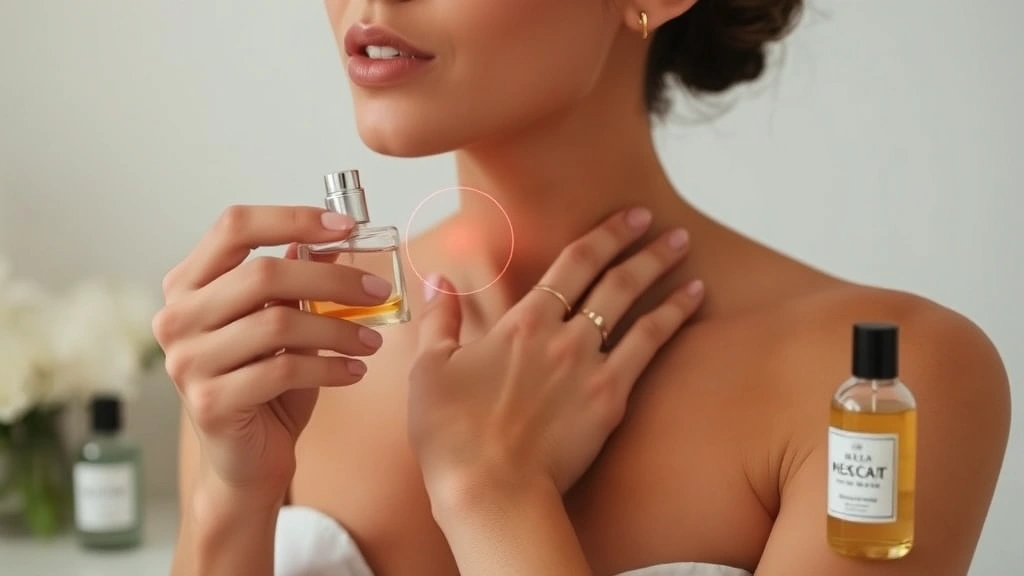
Apply your main fragrance to pulse points—wrists, neck, behind ears, inner elbows, and chest. These spots have higher blood flow, which keeps fragrance molecules activated. The best way to apply cologne is to target these exact zones rather than spraying randomly.
5. The Complementary Scent Method
Layer a second fragrance that shares one or two notes with your main scent. For example, if your main fragrance is woody, add a lighter woody scent. Don’t mix conflicting families—citrus over musk rarely works. I test this on my wrist first to make sure the combination smells intentional, not confused.
6. The Hair and Clothing Spray
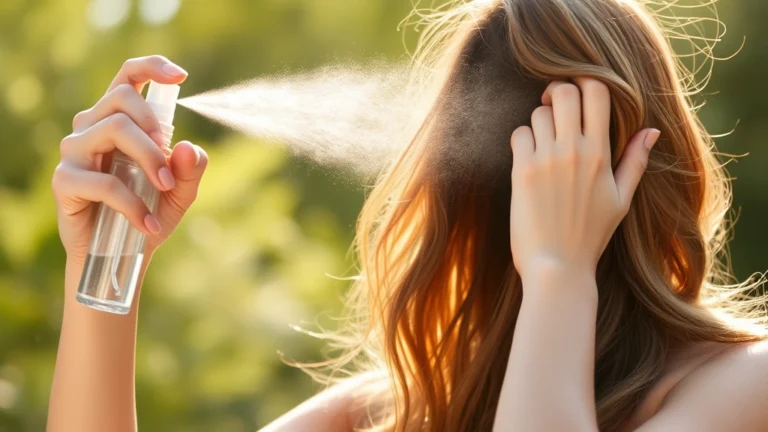
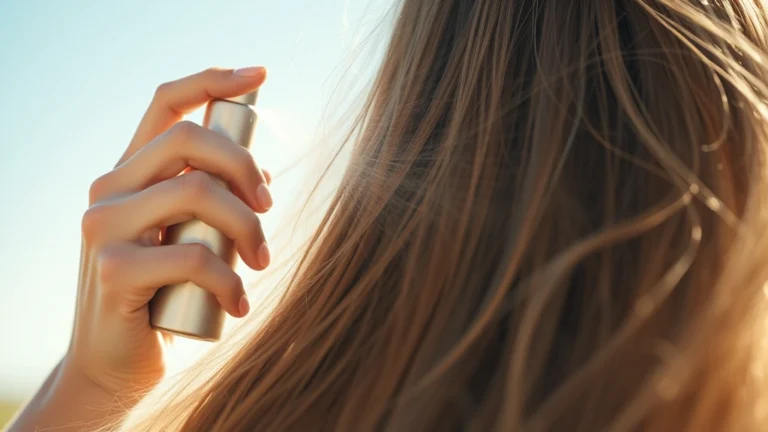
A light mist on hair and clothing extends fragrance presence throughout the day. Hair holds scent longer than skin because it doesn’t have the same pH balance that breaks down fragrance molecules. Just don’t overdo it—one or two sprays on hair is enough.
7. The Scarf or Fabric Method
Spray fragrance lightly on a scarf or jacket lapel. This creates a fragrance cloud around your face and neck without direct skin contact. The scent lasts longer on fabric, and you control the intensity by how close the fabric sits to your body.
8. The Misting Technique Throughout the Day
Keep a fragrance mist in your bag for touch-ups. A light mist every 4-5 hours refreshes your scent without feeling heavy. This is different from reapplying your main fragrance—it’s a subtle boost that keeps you smelling fresh.
9. The Diffuser Ambient Method
Use a fragrance diffuser in your workspace or home to create a scent-rich environment. When you walk into a space that smells like your fragrance, people associate that scent with you. It’s environmental layering that makes your personal fragrance feel stronger.
✅ Pros
- Extends fragrance longevity by 2-4 hours on average
- Increases projection and sillage without being overwhelming
- Allows you to create personalized, unique scent combinations
- Cost-effective way to maximize fragrance bottle life
- Reduces need for reapplication throughout the day
- Works with any fragrance concentration or brand
❌ Cons
- Requires more products and time to apply properly
- Risk of layering incompatible scents if not careful
- Needs testing to find complementary fragrance combinations
How Layering Changes Fragrance Performance
Layering directly impacts longevity, projection, and sillage. When you layer properly, your fragrance lasts 50% longer on average. Instead of a fragrance lasting 5 hours, it can stretch to 8 hours. The reason is simple—you’re giving fragrance molecules more places to hold onto.
Projection improves too. A single spray of eau de toilette might only project 2-3 feet. But when you layer with a body lotion base, primer, and strategic application, you get 4-5 feet of projection without smelling overwhelming. I’ve noticed that layered fragrances also develop better. The top notes last longer because they have a foundation to sit on, and the heart notes emerge more clearly.
One thing to watch: don’t layer fragrances with conflicting performance profiles. If you use an eau de toilette as a base and an eau de parfum on top, the lighter fragrance might disappear before the heavier one kicks in, creating an unbalanced experience. Match your concentrations when possible, or use the heavier concentration as your base.
For how many sprays of cologne to use when layering, start with one spray on each pulse point instead of your normal amount. You can always add more, but you can’t take fragrance off.
When and Where Layering Works Best
Layering is essential for all-day wear. If you’re heading to work and won’t have time to reapply, layer. If you’re going to an event that lasts 8+ hours, layer. If you’re someone who showers at night and wants fragrance to last until evening, layering is your strategy.
Climate matters too. In warm weather, layering helps fragrances stick around despite heat breaking down fragrance molecules faster. In cold weather, layering creates a richer scent experience because your body radiates less heat, so fragrance doesn’t project as far.
For special occasions, layering lets you create a signature scent. A wedding, date night, or important meeting calls for a fragrance that lasts and projects well. That’s when you pull out all nine methods if needed.
Casual settings don’t always need heavy layering. A quick spray of fragrance on your wrist and neck might be enough for running errands. Save the full layering routine for when you want maximum impact and longevity. Learn more about how to apply cologne for everyday situations where you might not need full layering.
Building a Fragrance Layering Collection on Budget
You don’t need 15 products to layer effectively. A smart collection includes: one body lotion in your favorite scent family, one fragrance primer, one main fragrance, and one or two complementary scents. That’s a complete layering system for under $150 if you shop smart.
Body lotions are cheaper than perfumes, so starting your collection there makes sense financially. A $30 body lotion does 80% of the heavy lifting in a layering routine. Then add a $60-80 fragrance on top, and you’ve created a scent experience that rivals fragrances costing $200+.
The value comes from longevity extension. If layering turns a 5-hour fragrance into an 8-hour fragrance, you’re getting more wear per spritz. Over time, your bottles last longer, which means less frequent repurchasing. On my skin, layering has cut my fragrance consumption by about 30% because I’m not respraying as often.
Don’t feel pressured to buy matching sets. Mix and match from different brands. A body lotion from one brand layered with a perfume from another works perfectly fine as long as the scent families complement each other.
Mistakes to Avoid When Layering Fragrances
The biggest mistake is layering too much. More fragrance doesn’t equal better results—it equals overwhelming. I’ve made this mistake before, applying three different fragrances and ending up smelling like a perfume counter. Start with two layers and add more only if needed.
Another common error is layering incompatible scent families. Florals over gourmands rarely work. Citrus over amber can clash. Before layering, think about whether the scents share similar notes or at least won’t fight each other.
Don’t skip the base layer. Jumping straight to applying perfume without primer or body lotion is like painting without primer—the fragrance doesn’t stick as well. The foundation matters more than the top coat.
Timing is crucial too. If you apply body lotion 30 minutes after your shower, it won’t absorb properly and won’t create the sticky base you need. Apply it while skin is still damp for maximum adhesion.
Finally, don’t layer fragrances with very different concentrations without testing first. An eau de cologne (light) layered with an eau de parfum (heavy) can create an unbalanced scent that develops strangely throughout the day. Test on a small area first.
❓ Frequently Asked Questions
Can you layer any fragrances together?
Not all fragrances layer well. You need complementary scent families—fragrances that share similar notes. Layering a floral with a fruity fragrance works better than layering a floral with a gourmand. Always test on your wrist first before committing to a full application.
How many fragrances can you layer at once?
I recommend starting with two layers: a base fragrance and a main fragrance. You can go up to three if they complement each other perfectly, but more than three usually creates confusion instead of depth. Start minimal and add layers only if the combination smells intentional.
Does layering damage fragrance molecules?
No, layering doesn’t damage fragrance molecules. It actually protects them by giving them more places to bind to. However, mixing fragrances changes how they develop—some notes might amplify while others fade. This is part of the creative process of layering.
What’s the best time to layer fragrances?
Right after your shower is ideal. Your skin is warm, damp, and free of competing odors. Apply body lotion first while skin is still wet, then fragrance primer, then your main fragrance. This sequence creates the strongest base for layering.
Do you need special products to layer fragrances?
A fragrance primer helps significantly, but you can layer with just body lotion and perfume. Fragrance primers are designed specifically for layering, so they work best, but they’re not absolutely necessary if you’re on budget.
How long does layering extend fragrance wear?
On average, proper layering extends fragrance longevity by 2-4 hours. A fragrance that normally lasts 5 hours might last 7-9 hours when layered correctly. Results vary based on skin chemistry, climate, and which fragrances you’re layering.