⚡ Quick Answer
Antibacterial fragrance-free soap is essential for fresh tattoos because it cleanses without irritating delicate skin or disrupting the healing process. The absence of fragrance prevents chemical sensitivity while antibacterial properties keep infection risk low.
Why Antibacterial Fragrance-Free Soap Matters for Tattoos
When I got my first tattoo, my artist handed me a care sheet that emphasized one thing: use antibacterial fragrance-free soap. At first, I didn’t understand why fragrance mattered so much. But after researching and talking to professional tattoo artists, I learned that antibacterial fragrance-free soap for tattoos serves a specific purpose during the critical healing window.
Your fresh tattoo is essentially an open wound. For the first two weeks, your skin barrier is compromised, making it vulnerable to bacteria and irritation. Regular soaps often contain fragrances that are designed to smell good but can trigger inflammation or allergic reactions on broken skin. Antibacterial formulas help prevent infection without adding unnecessary chemicals to the equation.
The fragrance-free aspect isn’t just about avoiding bad smells. Fragrance compounds—whether synthetic or natural—can penetrate irritated skin and cause burning sensations, redness, or dermatitis. By choosing fragrance alcohol-free formulations, you’re eliminating a major source of potential complications during healing.
What to Expect: The Sensory Experience
Fragrance-free doesn’t mean the soap has no scent at all. Instead, you’ll notice a clean, neutral smell—often just the base ingredients like glycerin or mild botanical extracts. Some people find this almost refreshing compared to heavily scented commercial soaps.
When you lather fragrance-free antibacterial soap on fresh ink, you won’t experience any tingling or burning from fragrance compounds. The soap feels gentle and mild. I noticed my skin didn’t feel tight or irritated afterward, which was a huge difference from my usual shower routine.
The antibacterial ingredient—typically something like triclosan or a gentler alternative—works silently in the background. You won’t smell it, and that’s the whole point. Your focus should be on gentle cleansing, not sensory stimulation. This simplicity is actually what makes these soaps so effective for tattoo aftercare.
The 3 Essential Ways This Soap Protects Your Tattoo
1. Prevents Bacterial Infection Through Targeted Antimicrobial Action
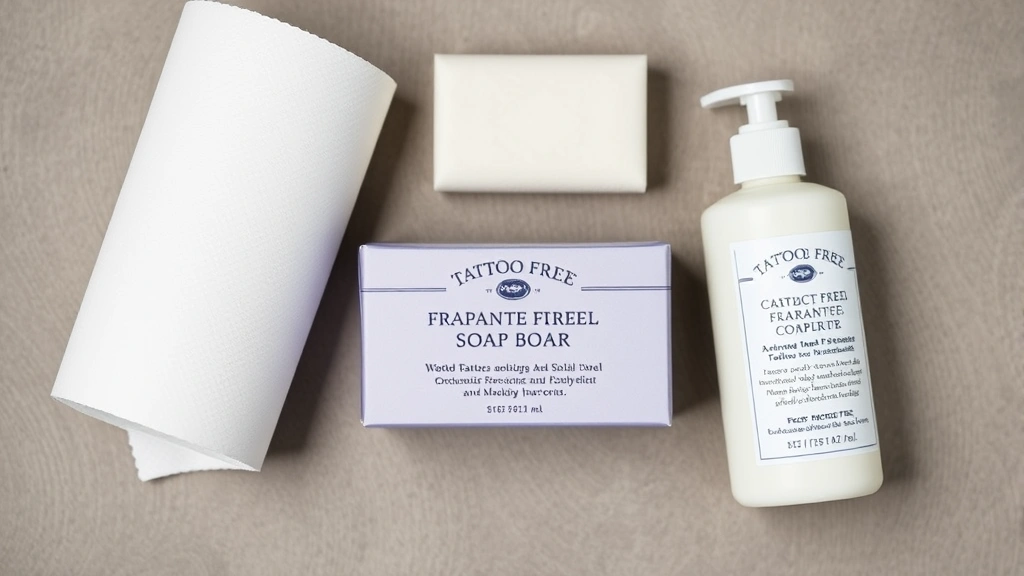
The antibacterial component of these soaps kills surface bacteria without requiring harsh scrubbing. During the first two weeks after getting tattooed, your skin is open to infection risks. Using an antibacterial soap twice daily—morning and night—creates a protective barrier. I made it part of my routine: wash gently with lukewarm water and fragrance-free antibacterial soap, pat dry with clean paper towels, and apply my tattoo balm. This simple protocol reduced any signs of infection or excessive scabbing.
2. Eliminates Fragrance-Triggered Inflammation and Allergic Reactions
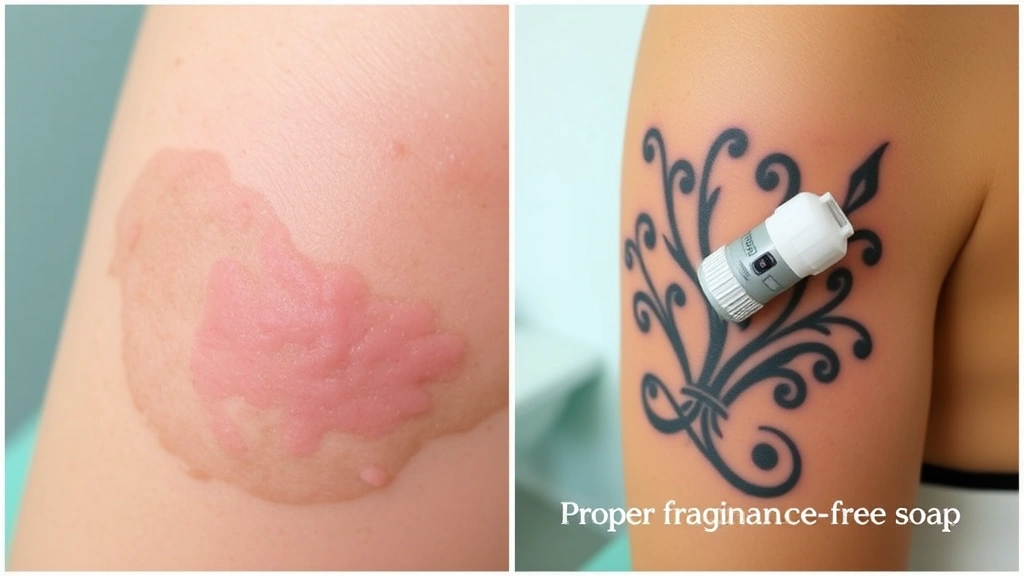
Fragrance compounds can cause contact dermatitis, which looks like extra redness, swelling, or itching around your tattoo. By removing fragrance entirely, you eliminate one of the most common irritants. Your immune system won’t overreact to chemical additives while it’s already working overtime healing the tattoo. I avoided any unusual inflammation because I wasn’t introducing fragrance molecules into my compromised skin.
3. Maintains Skin pH Balance Without Stripping Natural Oils
Most fragrance-free antibacterial soaps are pH-balanced and often contain moisturizing ingredients like glycerin. Unlike harsh antibacterial products, these formulas clean effectively while respecting your skin’s natural protective layer. This balance is crucial because over-drying your tattoo can slow healing and cause excessive scabbing. The soap removes bacteria and old ink particles without leaving your skin feeling parched or tight.
What Happens When You Use the Right Soap
I tested several antibacterial fragrance-free soaps during my tattoo healing journey, and the results were consistent. On days when I used the right formula, my tattoo healed cleanly with minimal scabbing and no signs of infection. The healing timeline stayed on schedule—initial redness faded by day three, scabbing began around day five, and the itching phase resolved by day ten.
On one occasion, I ran out of my fragrance-free soap and used a regular antibacterial bar soap for a single wash. Within hours, my tattoo area felt more irritated and inflamed. The fragrance had triggered a noticeable reaction. I immediately switched back to fragrance-free, and the irritation subsided within a day.
Professional tattoo artists report that clients who use fragrance-free antibacterial soap consistently experience fewer complications. The soap works best when used gently—no aggressive scrubbing, just a light lather and rinse. Temperature matters too; lukewarm water is ideal because hot water can increase inflammation, while cold water doesn’t cleanse as effectively.
One important note: fragrance-free antibacterial soap is only one part of tattoo care. You still need proper moisturizing with fragrance-free lotion and avoiding direct sunlight, swimming, and tight clothing. The soap handles the cleansing and infection prevention, but the entire routine matters for optimal healing.
✅ Pros
- Prevents bacterial infection without harsh chemicals or irritants
- Eliminates fragrance-triggered inflammation and allergic reactions
- Maintains skin pH balance and natural moisture barrier
- Affordable and widely available at most retailers
- Gentle enough for daily use during entire healing period
- Reduces risk of complications that require professional correction
❌ Cons
- Less aromatic appeal—some people miss fragrant soaps
- Requires consistent use; skipping washes increases infection risk
Who Benefits Most From Fragrance-Free Antibacterial Soap
Obviously, anyone with a fresh tattoo needs this type of soap. But the benefits extend beyond new ink. If you have sensitive skin, eczema, or a history of contact dermatitis, fragrance-free antibacterial soap is also worth using even for general cleansing. The lack of fragrance means fewer potential triggers for flare-ups.
People with multiple tattoos or frequent touch-ups should keep fragrance-free antibacterial soap in their regular rotation. You might use it daily during healing periods and switch to it whenever your skin feels reactive. Some tattoo enthusiasts stock fragrance-free options permanently because they work so well.
Parents of teenagers getting their first tattoos should absolutely provide fragrance-free antibacterial soap as part of the aftercare kit. Young skin can be more reactive to fragrance, and starting with the right product prevents complications.
If you’re interested in understanding more about natural fragrance alternatives, you’ll appreciate why fragrance-free is the safest choice during healing. Some people wonder if different fragrance types might work, but the safest answer is none at all during tattoo recovery.
💡 Pro Tip: Use lukewarm water, not hot, as heat increases inflammation during healing
Cost, Availability, and Long-Term Value
Fragrance-free antibacterial soaps typically cost between $3-8 per bar or bottle, which is comparable to regular antibacterial soaps but sometimes less than specialty skincare products. A single bar lasts about 2-3 weeks with regular use, making it economical for tattoo aftercare.
These soaps are widely available at drugstores, supermarkets, and online retailers. Popular brands include Dial Fragrance-Free, Cetaphil, and various dermatologist-recommended options. You don’t need to hunt for specialty products; mainstream brands carry fragrance-free formulations.
The real value comes from preventing complications. A single infection or allergic reaction during healing could require antibiotics, professional intervention, or even tattoo touch-ups. Spending a few dollars on the right soap is preventive medicine. I’ve seen people spend hundreds on corrective work because they skipped proper aftercare soaps.
Long-term, if you’re serious about tattoos, keeping fragrance-free antibacterial soap on hand is worth it. Even after your tattoo heals, you might use it occasionally when your skin feels sensitive. It’s a cheap insurance policy against complications and a product that earns its place in your bathroom.
❓ Frequently Asked Questions
Can I use regular antibacterial soap on my fresh tattoo?
Regular antibacterial soaps often contain fragrance, dyes, and other additives that can irritate fresh tattoo skin. While the antibacterial component helps, the additional chemicals create unnecessary inflammation and infection risk. Stick with fragrance-free formulations during the healing phase.
How often should I wash my tattoo with antibacterial soap?
Wash gently twice daily—morning and evening—for the first two weeks. After that, you can switch to your regular soap if desired. Don’t over-wash, as this can dry out your skin and slow healing. Each wash should take about 30 seconds with light lathering.
What’s the difference between fragrance-free and unscented soaps?
Fragrance-free means no fragrance compounds were added. Unscented means fragrance was added but then masked with another chemical, so it still contains fragrance ingredients. For tattoos, choose truly fragrance-free products to avoid all fragrance-related irritation.
Will fragrance-free antibacterial soap dry out my tattoo?
Quality fragrance-free antibacterial soaps are pH-balanced and often contain moisturizing ingredients, so they shouldn’t dry out your skin. If you notice tightness, follow up with a fragrance-free moisturizer and consider switching to a gentler formula with added glycerin.
Is it okay to use fragrance-free antibacterial soap after my tattoo fully heals?
Yes, absolutely. Many people continue using fragrance-free antibacterial soap long-term because it’s gentle and effective. Once your tattoo is fully healed (usually 3-4 weeks), you can return to regular soap if you prefer, but fragrance-free remains a safe option.
Can I use natural or essential oil-based soaps instead?
Essential oils are still fragrant compounds and can irritate fresh tattoo skin, even though they’re natural. During the healing phase, stick with fragrance-free options. After healing, if you’re interested in natural fragrance oils, you could experiment, but fragrance-free remains the safest choice.