⚡ Quick Answer
Arabic fragrances captivate through rich oud, exotic musks, and precious resins that create deeply sensual, long-lasting scents. These fragrances blend tradition with luxury, offering a unique olfactory experience that transforms how you present yourself.
Why Arabic Fragrances Matter
I noticed that arabic fragrances operate on a completely different level than Western perfumes. They’re built on centuries of tradition, with ingredients sourced from the Middle East and North Africa that create depth most people have never experienced. When you wear these scents, you’re not just applying fragrance—you’re wearing a piece of heritage.
The appeal goes beyond just smelling good. Arabic fragrances command respect and attention. They linger on skin and clothes, develop throughout the day, and create an aura that follows you into every room. What makes them special is the focus on natural ingredients like oud cologne and attar fragrance—these aren’t synthetic shortcuts but genuine aromatic materials that have been prized for thousands of years.
Understanding arabic fragrances opens a door to a completely different approach to personal fragrance. These aren’t designed to fade quickly or blend into the background. They’re meant to be noticed, appreciated, and remembered.
Key Ingredients That Define Arabic Fragrances
The magic of arabic fragrances lies in their ingredient list. Oud is the star—this resinous wood from agarwood trees costs more than gold by weight. On my skin, oud creates a warm, woody, slightly animalic base that evolves over hours. It’s complex and hypnotic, never one-dimensional.
Musk is another cornerstone. Unlike synthetic musks in mass-market fragrances, traditional musks in arabic perfumes create a soft, sensual skin scent that enhances your natural chemistry. I’ve found that women’s fragrance with musk brings an intimate quality that draws people closer rather than announcing itself from across the room.
Rose and jasmine appear constantly, but here they’re treated differently than in Western florals. They’re rich, honeyed, and slightly intoxicating rather than light and fresh. Ambroxan, sandalwood, and cedarwood provide the woody foundation, while amber and vanilla add warmth and sweetness. These ingredients work together to create scents that feel luxurious and substantial.
Wood fragrance perfume elements anchor everything, giving arabic fragrances their signature staying power and depth that lasts from morning through evening.
The Layering Approach to Arabic Fragrances
Arabic fragrance experts understand something most people don’t: layering amplifies and personalizes your scent. This isn’t just about applying more fragrance—it’s about building complexity that evolves with your skin.
Start with an oil-based fragrance or attar fragrance as your base. These concentrated formulations sit close to skin and develop slowly over the first hour. Then layer a spray fragrance on top for immediate impact and projection. The combination creates depth that a single fragrance can’t achieve alone.
I’ve experimented with layering oud fragrance for women with lighter citrus or floral elements. The oud acts as an anchor while the top notes add brightness. For those interested in strategic application, how to layer fragrances properly takes your collection from good to extraordinary.

The key is understanding how different notes interact. Oud pairs beautifully with rose, jasmine, and amber. It can also work with unexpected elements like saffron or cardamom. Experimentation here is encouraged—your skin chemistry is unique, and layering lets you create something entirely personal.
Performance and Longevity on Skin
When I test arabic fragrances, longevity is rarely a concern. Most quality oud-based perfumes last 8-12 hours on skin, with scent trails lingering even after that. The concentration of fragrance oils—often 20-30% compared to 15% in eau de parfum—ensures staying power that rewards your investment.
The performance varies by application method. Oil-based formulations develop slower but last longer, peak around hour 3-4, and fade gradually without disappearing. Spray fragrances hit harder initially, peak within the first 2 hours, but maintain good projection through hour 6-8. On fabric, both types can last 24+ hours.
Environmental factors matter. Heat amplifies sillage—wearing arabic fragrances in warm weather creates more noticeable projection. Cold weather mutes them slightly, making them more intimate. Humidity is your friend with these fragrances; moisture helps them develop more fully and persist longer.
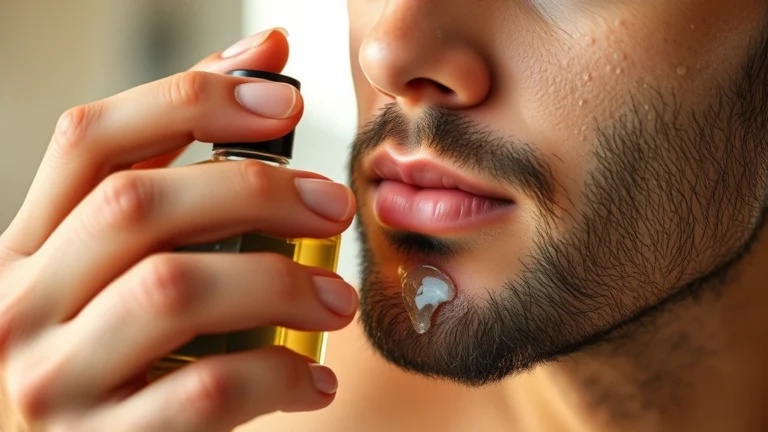
I’ve noticed that application spots matter significantly. Pulse points—wrists, neck, behind ears—work best because body heat helps diffuse the fragrance. Applying to hair or clothing extends longevity considerably. The key is using restraint; a little goes a long way, and these fragrances reward quality application over quantity.
✅ Pros
- Exceptional longevity—8-12+ hours on skin without reapplication needed
- Rich, complex scent development that evolves beautifully throughout the day
- Sophisticated, luxurious aesthetic that commands attention and respect
- Uses genuine, precious ingredients like real oud and natural musks
- Works exceptionally well for layering and creating personalized combinations
- Concentrated formulations mean small amounts provide significant impact and value
❌ Cons
- Higher price point reflects genuine ingredient quality and rarity
- Strong projection can be overwhelming if over-applied or in sensitive environments
- Oud-heavy fragrances may not appeal to those preferring light, fresh scents
When to Wear Arabic Fragrances Throughout the Year
Arabic fragrances aren’t seasonal in the traditional sense, but timing matters for maximum impact. Winter is their natural home—the cold weather lets you layer more generously, and the warm, spicy, woody notes feel appropriate for heavier clothing and indoor gatherings.
Spring and fall work beautifully too. These shoulder seasons let you experiment with lighter arabic fragrances that lean more floral or citrus-forward. Oud fragrance for women with rose or peony creates a sophisticated autumn scent that feels fresh yet substantial.
Summer is the trickiest season. Heavy oud fragrances can feel overwhelming in heat, but lighter interpretations thrive. Look for fragrances that emphasize the aromatic or herbal aspects over pure woodiness. Saffron-based or cardamom-based arabic fragrances feel perfect for summer evenings—they’re warm but not suffocating.
Evening occasions across all seasons benefit from arabic fragrances. These are inherently luxurious and formal-feeling, making them ideal for dinners, events, and special occasions. They command attention without trying, which is exactly what you want when you’re dressing up. Daytime wear works too if you choose lighter formulations and apply conservatively.
🔄 How It Compares: Arabic fragrances vs. Western perfumes: Arabic fragrances use higher oil concentrations and precious natural ingredients, lasting 2-3x longer with more complex development
Exploring Related Fragrance Types
If you’re drawn to arabic fragrances, you’ll want to understand related categories that share similar DNA. Chypre fragrance shares the complexity and layering approach, though it emphasizes citrus, floral, and mossy notes rather than oud and resins. Both types reward careful application and develop beautifully on skin.

Palo Santo fragrance offers a Western interpretation of the warm, woody aesthetic that defines arabic scents. While less rich and complex, palo santo fragrances provide similar longevity and sophistication with a slightly fresher perspective.
Niche fragrances and indie brands often draw inspiration from arabic fragrance traditions while adding modern twists. These exploration paths help you understand what you love about arabic fragrances specifically—is it the oud, the musk, the overall richness, or the heritage aspect?
Understanding these connections helps you build a fragrance collection with coherence. You might start with a classic oud fragrance, add a rose-based arabic scent, then explore how wood fragrance perfume variations offer different interpretations of similar themes. Each addition deepens your appreciation for the category.
❓ Frequently Asked Questions
What makes arabic fragrances different from Western perfumes?
Arabic fragrances prioritize natural, precious ingredients like oud and musk over synthetic compounds. They’re designed to develop and evolve on skin rather than fade quickly, use higher fragrance oil concentrations, and draw from centuries of Middle Eastern perfumery tradition. They’re also typically heavier, warmer, and more sensual than mass-market Western fragrances.
Are arabic fragrances expensive because of oud?
Oud is genuinely expensive—it’s harvested from agarwood trees and costs thousands per kilogram. Quality arabic fragrances use real oud, which justifies premium pricing. However, you’re also paying for concentrated formulations, careful blending by master perfumers, and ingredients that perform exceptionally well on skin. The investment translates directly to longevity and presence.
Can men and women both wear arabic fragrances?
Absolutely. While some formulations are marketed toward specific genders, the best approach is personal preference. Oud-forward fragrances work beautifully on everyone. Some lean slightly masculine with leather or tobacco, while others emphasize florals, but the core appeal—depth, longevity, and sophistication—transcends gender.
How much arabic fragrance should I apply?
Start with 2-3 spritzes if using spray format, or 2-3 drops if using oil format. These fragrances are concentrated and project well, so less is more. You can always reapply, but you can’t take it back. Many people make the mistake of over-applying, which can be overwhelming and wastes product.
Do authentic arabic fragrances contain alcohol?
Traditional attars are typically alcohol-free oils, while modern spray fragrances use alcohol as a carrier. Both are authentic—attars represent the oldest tradition, while alcohol-based formulations offer convenience and easier application. Choose based on preference; both perform excellently and last a long time.
What’s the difference between attar and oud fragrance?
Attar is a traditional, usually alcohol-free fragrance oil blend that can contain oud but also many other ingredients. Oud fragrance specifically emphasizes agarwood oil as the dominant note. All oud fragrances aren’t attars, and not all attars contain oud. Both are premium, concentrated products with excellent performance.