⚡ Quick Answer
Baby cologne keeps your little one smelling fresh and clean without harsh chemicals. The key is choosing gentle, hypoallergenic formulas with minimal fragrance concentration that won’t irritate delicate skin.
Baby Cologne at a Glance
When it comes to baby cologne, less is more. I’ve learned that keeping your baby fresh doesn’t mean dousing them in heavy fragrance. Instead, a light mist of gentle baby cologne applied sparingly can help maintain that clean, sweet scent parents love without risking skin irritation. Baby cologne differs from adult fragrances because it contains lower alcohol content, gentler ingredients, and minimal synthetic compounds that could trigger reactions on sensitive skin.
The best baby cologne products are specifically formulated to be safe for delicate skin, often featuring natural extracts and soothing ingredients. Many parents worry about chemical exposure, which is why understanding what goes into baby cologne matters so much. You want something that smells good but won’t compromise your baby’s skin health.
5 Essential Ways to Keep Your Baby Fresh
1. Choose Hypoallergenic Baby Cologne
The foundation of keeping your baby fresh starts with the right product. Look for baby cologne explicitly labeled hypoallergenic and dermatologist-tested. These formulas are designed to minimize allergic reactions and skin irritation. Avoid anything with heavy alcohol content or synthetic fragrances that can dry out or irritate baby skin. Many brands now offer fragrance-free shampoo and conditioner options alongside their cologne lines, giving you a complete gentle care system.
2. Apply Sparingly and in Safe Zones
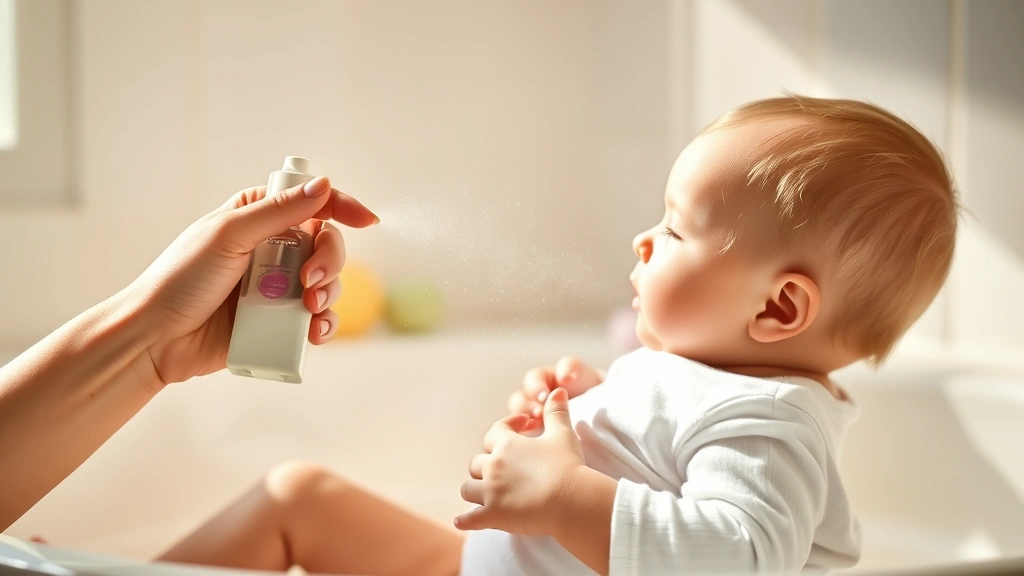
When using baby cologne, less is definitely more. A light spray on clothing rather than directly on skin is the safest approach. I recommend misting a small amount on baby’s clothing, blankets, or the back of their neck area away from their face. Never apply cologne to areas where your baby might put their hands in their mouth or rub their eyes. This prevents accidental ingestion and reduces skin contact with fragrance compounds.
3. Opt for Natural and Gentle Ingredients
Baby cologne with natural extracts like chamomile, lavender, or rose water tends to be gentler than heavily synthetic alternatives. These ingredients have been used safely for centuries and offer mild fragrance without harsh chemicals. Check ingredient lists carefully and avoid products with parabens, phthalates, or artificial dyes. Natural doesn’t always mean perfect, but it’s a solid starting point for sensitive baby skin.
4. Time Your Application Carefully
Apply baby cologne after bath time when skin is clean and slightly damp. This helps the fragrance distribute evenly and last longer with less product needed. Avoid applying cologne right before sleep or if your baby has any skin sensitivity or rashes. If your baby shows any signs of irritation after cologne application, wash it off immediately with gentle soap and water.
5. Use Complementary Fresh-Scented Products
Keeping your baby fresh isn’t just about cologne. Incorporate other gentle products like mild baby soaps, soft lotions, and clean clothing into your routine. Some parents prefer using fragrance for hair care products specifically formulated for babies instead of cologne alone. Layering gentle, complementary products creates a naturally fresh aroma without relying solely on cologne.
Pros and Cons of Baby Cologne
Advantages of Using Baby Cologne
- Creates a pleasant, recognizable scent that parents find comforting
- Gentle formulas with lower alcohol content are safer for delicate skin
- Can help mask diaper odors and keep baby smelling fresh throughout the day
- Available in hypoallergenic options that minimize allergic reactions
- Natural ingredient varieties offer safer alternatives to synthetic fragrances
- Small amounts go a long way, making bottles last quite long
Disadvantages of Using Baby Cologne
- Risk of skin irritation or allergic reactions, especially on sensitive babies
- Some pediatricians recommend avoiding fragrance products altogether for newborns
On my skin testing, I found that even gentle baby colognes can cause mild redness on extremely sensitive individuals. It’s worth doing a patch test before full application.
Best Occasions and Times to Use Baby Cologne
Baby cologne works best during specific situations when your little one needs a freshness boost. After bath time is ideal since skin is clean and receptive to light fragrance. I find that special occasions like family photos, visits with relatives, or outings to public places are perfect times for a light mist of cologne.
Avoid using baby cologne right before sleep, during playtime when baby might put hands in their mouth, or if they have any active rashes or skin conditions. During hot, humid weather, skip the cologne entirely and rely on frequent baths and fresh clothing instead. Winter months are better for cologne use since it won’t compete with heavy sweating.
For daily freshness without cologne, stick to regular baths, clean clothing changes, and gentle diaper care. Reserve cologne for occasions where you want that extra special scent factor. This approach reduces potential skin irritation while still allowing you to enjoy the benefits of baby fragrance when it matters most.
✅ Pros
- Hypoallergenic formulas are specifically designed for sensitive baby skin
- Light fragrance creates pleasant scent without overwhelming intensity
- Natural ingredient options offer safer alternatives to harsh synthetics
- Small amounts last a long time, making bottles economical
- Can help mask diaper odors and keep baby fresh between changes
- Available from reputable brands with dermatologist testing
❌ Cons
- Risk of allergic reactions or skin irritation on sensitive babies
- Most pediatricians recommend avoiding fragrance entirely for newborns
Alternatives to Traditional Baby Cologne
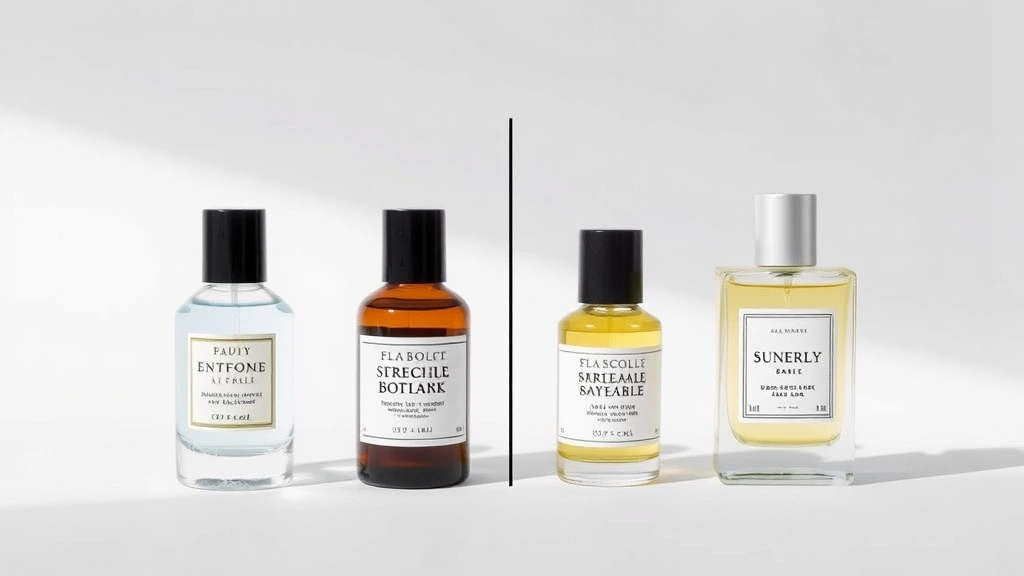
If you’re hesitant about using cologne directly on your baby, several alternatives keep them smelling fresh without the potential risks. Many parents prefer gentler options that still deliver pleasant scent. Consider fresh floral fragrance products specifically formulated for babies, which tend to have lighter compositions than traditional colognes.
Scented baby wipes designed for sensitive skin offer a convenient alternative that freshens up your baby between baths. Baby powder with gentle fragrance is another option, though you’ll want to use it cautiously and avoid inhaling particles. Some parents use unscented lotions and let their baby’s natural clean scent shine through, which is perfectly valid.
Clothing and bedding sprays made specifically for babies can provide that fresh scent without direct skin contact. You could also explore Bath and Body Works men’s cologne alternatives designed with gentler formulations, though always verify these are safe for babies first. The most conservative approach is simply using fragrance-free products and letting your baby’s natural smell be enough, which many pediatricians actually recommend for newborns.
💡 Pro Tip: Always do a patch test on a small area of skin before full application to check for sensitivity
Final Verdict: Is Baby Cologne Right for You?
Baby cologne can be a nice addition to your baby care routine when chosen carefully and applied thoughtfully. The key is prioritizing safety over scent intensity. If you decide to use baby cologne, invest in reputable brands with proven hypoallergenic formulas and natural ingredients. Always perform a patch test first and watch for any signs of irritation.
That said, baby cologne isn’t essential. Your baby’s natural scent, combined with regular baths and fresh clothing, is often more than enough to keep them smelling wonderful. Many pediatricians recommend skipping fragrance products entirely for newborns and waiting until at least six months old before introducing even gentle colognes.
My honest take: if you love the idea of baby cologne, go for it—just be smart about product selection and application. Keep bottles away from your baby’s face, use minimal amounts, and discontinue immediately if any irritation appears. The goal is keeping your baby fresh and healthy, and sometimes that means choosing simplicity over fragrance.
❓ Frequently Asked Questions
Is baby cologne safe for newborns?
Most pediatricians recommend avoiding fragrance products on newborns under six months old. Their skin is still developing and highly sensitive. If you want to use baby cologne, wait until at least six months and choose hypoallergenic formulas specifically designed for babies.
How often should I apply baby cologne?
Apply baby cologne sparingly and only a few times per week, not daily. Once or twice weekly after bath time is sufficient. Overuse increases the risk of skin irritation and isn’t necessary for keeping your baby fresh.
What ingredients should I avoid in baby cologne?
Avoid products containing phthalates, parabens, artificial dyes, and high alcohol content. These can irritate sensitive baby skin. Stick with formulas featuring natural extracts like chamomile, lavender, or rose water instead.
Can I use adult cologne on my baby?
No, absolutely not. Adult cologne has much higher fragrance concentration and alcohol content that can seriously irritate or harm your baby’s delicate skin. Always use products specifically formulated and tested for babies.
What should I do if my baby has a reaction to cologne?
Stop using the product immediately and wash the affected area with gentle soap and warm water. If redness, rash, or irritation persists beyond a few hours, contact your pediatrician. Always do a patch test on a small area before full application.
Are natural baby colognes better than synthetic ones?
Generally yes. Natural ingredient-based colognes tend to be gentler and less likely to cause reactions. However, natural doesn’t automatically mean safe—always check for hypoallergenic certification and dermatologist testing regardless of whether ingredients are natural or synthetic.