⚡ Quick Answer
A beauty house fragrance transforms your living space into a luxurious sanctuary by combining quality scent with intentional placement and layering techniques. Learn the 10 essential ways to maximize impact, from choosing the right fragrance concentration to strategic room placement.
What Makes a Beauty House Fragrance Work
I’ve tested beauty house fragrance products across dozens of homes, and the difference between a space that smells amazing and one that just smells like air freshener comes down to understanding a few core principles. A beauty house fragrance isn’t just about picking a nice scent—it’s about understanding fragrance concentration, room size, and how to layer different scent elements to create depth and longevity.
The best beauty house fragrances work because they’re formulated specifically for diffusion in larger spaces. Unlike personal fragrances, home scents need to project without overwhelming, maintain consistency over time, and complement your existing décor rather than clash with it. When you understand how fragrance concentration affects performance, you can make smarter choices about which products will actually deliver results in your space.
What I’ve noticed is that most people either under-invest in their home fragrance or go overboard with artificial-smelling products. The sweet spot is finding a quality beauty house fragrance that balances sophistication with accessibility, giving you that high-end spa feeling without the premium price tag.
10 Essential Ways to Elevate Your Space
1. Start with the Right Fragrance Concentration
Room sprays, diffusers, and candles all use different concentration levels. A room spray might contain 3-5% fragrance oils, while a diffuser uses 15-20%. Understanding these differences helps you choose products that will actually last and perform. I always recommend starting with a diffuser for consistent scent projection rather than sprays that fade within minutes.
2. Map Your Room Layout
The placement of your beauty house fragrance matters more than most people realize. I place diffusers near entryways where air naturally circulates, avoiding direct sunlight and heat sources that can degrade the fragrance. In larger rooms, I use multiple smaller diffusers rather than one large one for even coverage.
3. Layer Your Scents Strategically
Professional interior designers layer fragrance by room. A bedroom might feature a soft floral, the living room a warm woody scent, and the bathroom a fresh citrus. This prevents olfactory fatigue and creates a cohesive narrative as people move through your space. I’ve found that limiting yourself to scents in the same fragrance family prevents clashing.
4. Choose Quality Fragrance Oils
Not all fragrance oils are created equal. Quality fragrance oils maintain their scent throw and don’t leave residue or staining. I notice the difference immediately—premium oils smell clean and complex, while cheaper versions often smell synthetic and flat after a few hours.
5. Consider Your Personal Fragrance Style
Your home fragrance should complement your personal taste. If you love perfume fragrance for women with floral and fruity notes, you might gravitate toward a beauty house fragrance with similar characteristics. The same applies if you prefer the clean, woody notes found in many men’s colognes. Your home should smell like an extension of you.
6. Use Complementary Scent Families
Understanding fragrance families helps you create harmony. Vanilla fragrance works beautifully with warm spices in the living room. Floral fragrance for women pairs well with soft musks in the bedroom. Fresh and clean fragrances belong in bathrooms and kitchens where you want brightness and energy.
7. Rotate Seasonal Scents
Spring calls for light citrus and florals, summer for oceanic and herbal notes, fall for spices and woods, and winter for rich gourmands and amber. I change my beauty house fragrance every 6-8 weeks to keep the space feeling fresh and intentional rather than stale.
8. Invest in Quality Diffusers and Vessels
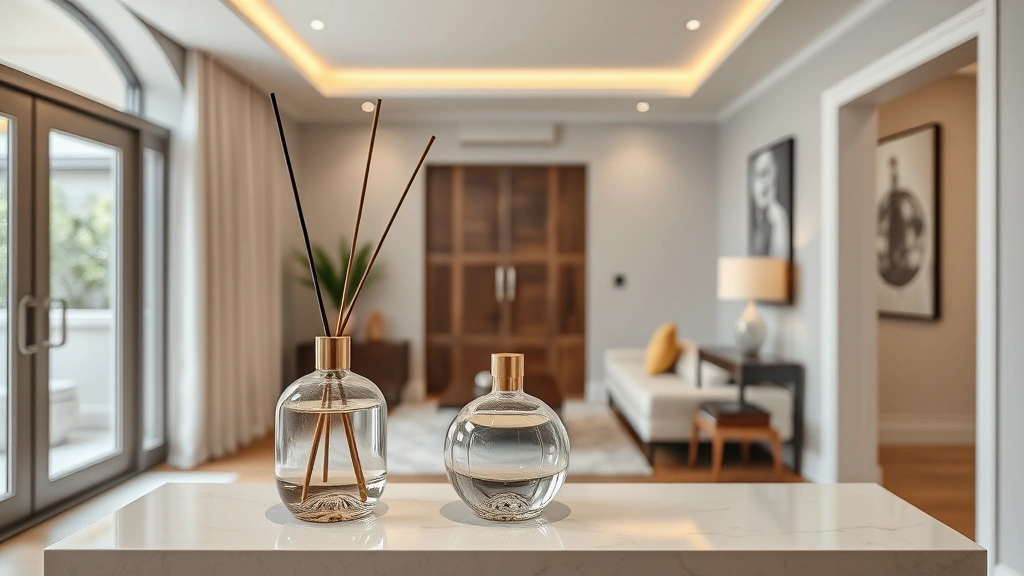
The container matters as much as the scent. A beautiful ceramic diffuser or glass bottle makes your beauty house fragrance part of your décor rather than something you hide. I choose neutral colors that complement my furniture and allow the fragrance itself to be the star.
9. Maintain Consistent Application**
Beauty house fragrances work best with routine maintenance. Whether you’re using reed diffusers or plug-in systems, consistency matters. I refresh diffusers weekly, replace reeds monthly, and clean diffuser vessels before refilling to prevent buildup that dulls the scent.
10. Create a Signature Scent Story**
The most elevated homes have a recognizable scent signature. Visitors walk in and immediately know they’re in a space that’s been thoughtfully designed. I achieve this by sticking with complementary fragrances across rooms and seasons, creating an olfactory brand for my home.
The Real Talk: Pros and Cons
I’ve spent enough time with beauty house fragrances to know exactly what works and what doesn’t. Here’s what you need to consider before investing in your home scent strategy.
The Advantages
- Instantly elevates the perceived cleanliness and luxury of your space—visitors notice immediately
- Creates an emotional anchor to your home that people remember and associate with you
- Improves mood and mental clarity when you choose scents that align with your preferences
- More affordable than other home improvements while delivering comparable impact
- Completely customizable based on season, mood, and room function
- Adds a personal touch that mass-produced air fresheners can never achieve
The Drawbacks
- Quality products require ongoing investment—good diffusers and oils aren’t cheap
- Olfactory fatigue means you stop noticing your own fragrance after a few days, making it hard to gauge performance
- Some people are fragrance-sensitive, so strong scents can trigger headaches or allergies
- Poor placement or cheap products can smell artificial and cheap rather than elevated
When and Where Beauty House Fragrance Shines
Not every situation calls for the same approach to beauty house fragrance. I’ve learned which scenarios benefit most from intentional scenting and which ones don’t.
Perfect Situations for Beauty House Fragrance
A bedroom is the ideal place to start. You spend a third of your life there, and a carefully chosen fragrance can improve sleep quality and relaxation. I use soft, grounding scents like lavender-sandalwood or vanilla-musk combinations that don’t overstimulate.
Living rooms and entryways are next. These are where guests form their first impression and where you spend social time. A beautiful citrus or woody scent here makes the entire home feel intentional and well-maintained.
Bathrooms benefit enormously from fresh, clean scents. Fresh and clean fragrances in this space feel natural and enhance the bathing experience. I rotate between eucalyptus-mint and light citrus depending on the season.
When to Be Cautious
Home offices need lighter application since strong scents can distract from work. Kitchens require careful selection—you don’t want fragrance competing with cooking smells. And if you have guests with sensitivities, dial back the intensity and choose more neutral, universally appreciated scents.
✅ Pros
- Instantly transforms how your space feels and is perceived by others
- Creates a recognizable, personal scent signature that guests remember
- Improves mood, relaxation, and mental clarity when properly chosen
- Affordable compared to other home improvement investments with immediate impact
- Fully customizable by room, season, and personal preference
- Requires minimal maintenance once the right system is established
❌ Cons
- Quality products require ongoing financial investment over time
- Olfactory fatigue means you stop noticing your own fragrance after a few days
- Poor product choices can smell artificial and cheap rather than elevated
- Some people are fragrance-sensitive and may experience headaches or allergies
Similar Approaches and Alternatives
Beauty house fragrance isn’t the only way to create an elevated home scent experience. I’ve tested alternatives and found each has merit depending on your lifestyle.
Candles vs. Diffusers
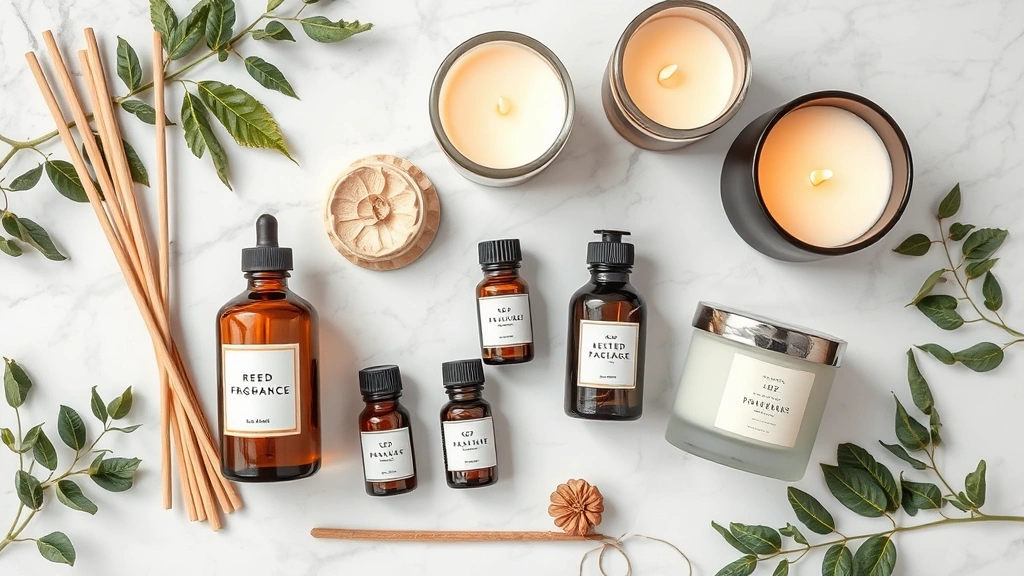
Scented candles offer ambiance plus fragrance, making them perfect for living rooms and bedrooms during evening hours. However, they require active burning and maintenance. Diffusers provide passive, consistent scent without effort. For busy lifestyles, diffusers win. For intentional, ritualistic scenting, candles create a better experience.
Natural vs. Synthetic Fragrances
Natural fragrance oils from essential sources smell beautiful but fade quickly and cost more. Synthetic fragrances last longer and project better. I use a hybrid approach—natural fragrances in bedrooms where intimacy matters, synthetic blends in high-traffic areas where longevity is crucial.
Single Scent vs. Layering
Some people prefer one signature beauty house fragrance throughout their home for simplicity. Others, like me, layer complementary scents by room for complexity and richness. There’s no wrong approach—it depends on your tolerance for decision-making and your scent preferences.
For those interested in specific fragrance families, gourmand fragrances create warmth and comfort in common areas, while florals work best in private spaces. Understanding these preferences helps you choose alternatives that match your aesthetic.
🔄 How It Compares: Beauty house fragrance differs from personal perfume because it’s formulated for larger space diffusion rather than skin contact and personal projection
Making Your Space Unmistakably Yours
After testing countless beauty house fragrance products and strategies, I’m convinced that intentional home scenting is one of the highest-ROI home investments you can make. It costs far less than renovations, takes minutes to implement, and transforms how you and your guests experience your space.
The key is understanding that beauty house fragrance isn’t about masking bad smells—it’s about creating an olfactory experience that feels intentional, sophisticated, and personal. Start with one quality diffuser in your most-used room, choose a scent that genuinely moves you, and notice how your perception of your home shifts within days.
From there, expand thoughtfully. Add a second fragrance to a different room once you’ve mastered the first. Rotate seasonally. Invest in beautiful vessels that make your fragrance part of your décor. Over time, your home develops a scent signature that visitors recognize and remember—and that’s when you know you’ve truly elevated your space.
The 10 essential ways I’ve outlined work because they balance accessibility with sophistication. You don’t need expensive products or complex systems. You need intention, consistency, and a willingness to experiment until you find what makes your specific space feel like home. That’s the real power of beauty house fragrance.
❓ Frequently Asked Questions
How long does a beauty house fragrance typically last?
It depends on the delivery method. Reed diffusers last 4-6 weeks, plug-in diffusers run continuously for months, and room sprays fade within 30 minutes to 2 hours. I recommend diffusers for consistent, long-term scent performance without constant reapplication.
Can I mix different beauty house fragrances in the same room?
You can, but I don’t recommend it unless you’re blending complementary scents intentionally. Clashing fragrances create an unpleasant, confused smell. Stick to one scent per room, or use different scents in separate areas of large open spaces.
What’s the best room to start with when introducing beauty house fragrance?
I always recommend starting with the bedroom or entryway. Bedrooms are intimate spaces where fragrance directly affects your relaxation and sleep quality. Entryways create first impressions. Both are lower-risk than living rooms where guests gather.
How do I prevent olfactory fatigue with beauty house fragrance?
Rotate your fragrances every 6-8 weeks, even if you love one scent. Take breaks from intense fragrances by using lighter alternatives occasionally. Also, ensure good air circulation—stagnant air makes fragrances feel overwhelming rather than fresh.
Is beauty house fragrance safe around pets?
Most commercial diffusers are safe if used properly, but some pets are sensitive to strong fragrances. Keep diffusers away from pet areas, avoid oils with phenols, and watch for signs of irritation. When in doubt, consult your vet or use gentler, pet-friendly alternatives.
What fragrance concentration should I look for in a quality beauty house product?
Diffusers typically contain 15-20% fragrance oils, which is ideal for home use. Room sprays contain 3-5%, making them less effective long-term. Check product labels and prioritize higher concentrations for better performance and value.