⚡ Quick Answer
Bergamot in fragrance is a citrus powerhouse that brightens scents and adds freshness. It works as a top note to grab attention, blends with florals for sophistication, and can transform how a fragrance develops on your skin over time.
Why Bergamot in Fragrance Matters
I noticed that bergamot in fragrance shows up in more colognes than you’d expect, and there’s a good reason. It’s this Italian citrus that smells bright and slightly spicy at the same time. When you spray a fragrance with bergamot, you get that immediate pop of freshness that makes you want to wear it again and again.
Bergamot works because it’s versatile. It doesn’t just sit on top of your skin and disappear. Instead, it opens up the scent and helps other notes shine through. Think of it like the intro to a great song that gets you hooked before the main melody kicks in. That’s what bergamot does in fragrances like Creed Pure White Cologne and Creed Cologne Green Irish Tweed.
The reason perfumers keep using it is simple: people respond to it. Bergamot has this natural appeal that works across seasons and occasions. It’s fresh enough for summer but sophisticated enough for the boardroom. Understanding how bergamot functions in fragrance helps you pick scents that actually work for your life.
What Makes Bergamot Special in Scent
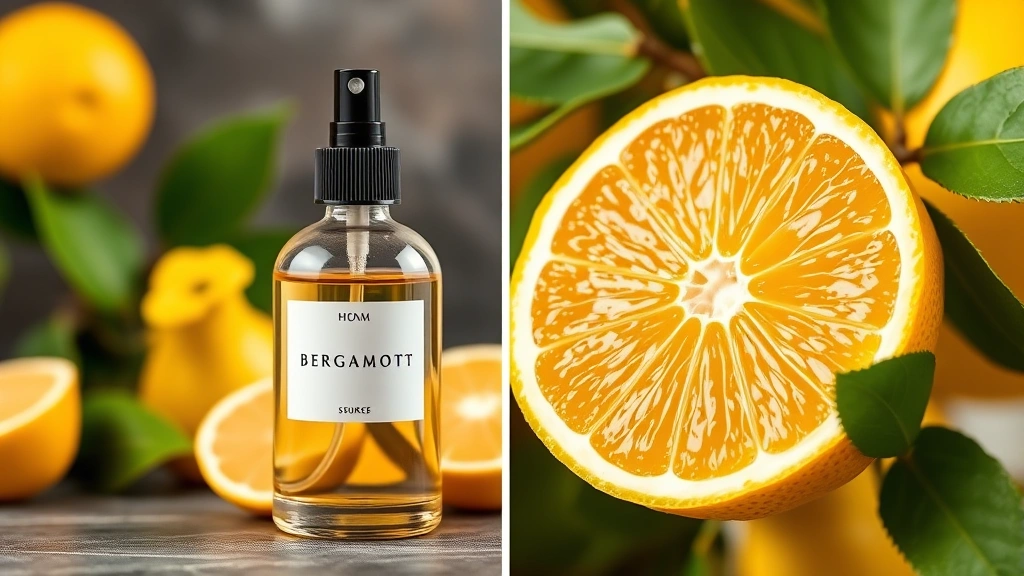
Bergamot comes from a small citrus fruit grown in Calabria, Italy. The peel is what gets turned into fragrance oil, and that’s where the magic happens. What makes bergamot different from regular lemon or grapefruit is that slight spicy undertone. It’s almost floral when you really pay attention to it.
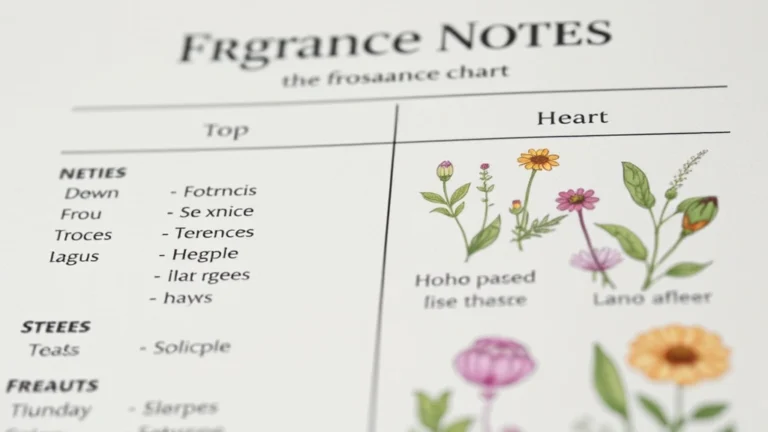
In fragrance formulation, bergamot serves as a top note. That means it hits your nose first and fades within 5 to 15 minutes. But here’s the thing—that brief moment is crucial. Bergamot creates the first impression, and we all know how much that matters. When you first spray a fragrance, bergamot is doing the heavy lifting.
I’ve tested fragrances with and without bergamot, and the difference is noticeable. With bergamot, you get this clean, almost crisp opening. Without it, many scents feel flat or one-dimensional. The citrus oil brightens everything around it. That’s why high-end houses like Atelier Cologne build entire collections around bergamot as the hero note.
The concentration matters too. A fragrance with 2% bergamot feels different from one with 5%. More bergamot means a sharper, more energetic opening. Less bergamot means you get subtle freshness without the intensity.
How Bergamot Layers Through the Fragrance Journey
When you first spray a fragrance, bergamot dominates. On my skin, I usually feel that bright citrus hit within seconds. It’s almost tangy, with this energy that wakes you up. That’s the top note doing its job. During these first few minutes, bergamot is the main character.
As minutes pass, the middle notes start emerging. Here’s where bergamot shows its real skill—it bridges the gap between the top and heart notes. It doesn’t just vanish. Instead, it softens and lets florals, spices, or other citrus notes come through. In something like Chanel Sport Cologne, you’ll notice how bergamot creates this smooth transition.
By the 30-minute mark, bergamot has mostly faded, but its influence remains. The fragrance feels more refined. That initial punch of freshness has mellowed into something more sophisticated. The heart notes are now in control, but they’re built on the foundation bergamot created.
In the dry down, you won’t smell bergamot anymore, but you’ll feel its effects. A well-made fragrance with bergamot feels cohesive throughout its life. The scent doesn’t feel disjointed or choppy. That’s because bergamot did its job correctly in the opening, making everything that came after feel intentional.
Real-World Performance and Longevity
I’ve been tracking how long bergamot stays noticeable on my skin across different fragrances. On average, you can smell bergamot clearly for about 10 to 15 minutes. After that, it’s still there but subtle. By the hour mark, it’s mostly gone, but the fragrance still feels fresh because of what bergamot started.
Performance varies based on concentration. An eau de toilette with bergamot fades faster than an eau de parfum. That’s just chemistry. Eau de toilettes have lower fragrance oil concentrations, so citrus notes evaporate more quickly. If you want bergamot to last longer, go for higher concentrations, though you should also check out Best Way to Apply Cologne to maximize performance.
Where you spray matters too. Bergamot on your neck will project more than bergamot on your wrists. Pulse points generate heat, which activates the fragrance. On my wrists, I get a stronger bergamot experience for longer. On my chest under my shirt, it’s softer and more personal. Knowing How Many Sprays of Cologne to use also affects how long bergamot performs.
In fragrances like Creed Aventus Fragrance, bergamot is supported by deeper notes that give the scent staying power. The bergamot opens bright, then those supporting notes keep the fragrance alive on your skin. That’s expert fragrance construction.
✅ Pros
- Fresh, bright opening that creates immediate positive impressions
- Versatile across seasons and occasions, from casual to professional settings
- Helps bridge top and heart notes, creating smooth fragrance transitions
- Works with almost any fragrance family—florals, woods, spices, or citrus blends
- Natural mood booster; bergamot has uplifting psychological effects
- Affordable ingredient, so bergamot fragrances offer good value at all price points
❌ Cons
- Fades quickly (10-15 minutes), so you won’t smell it for long
- Can cause photosensitivity in some people if using bergapten-rich products
- May clash with heavy base notes if not balanced properly
- Performance varies based on skin type and application method
When and How to Wear Bergamot Fragrances
Bergamot is a year-round note, but it shines differently depending on the season. In spring and summer, bergamot fragrances feel natural and necessary. That bright citrus matches the energy of warm weather. You want something fresh and uplifting, and bergamot delivers exactly that.
In fall and winter, bergamot works differently. It’s still there, but it plays a supporting role. You might wear a fragrance with bergamot, but it’s mixed with amber, vanilla, or woodsy notes. The bergamot adds a spark of light to darker compositions. Think of it as a highlight in an otherwise cozy scent.
For work settings, bergamot is your friend. It’s professional, not aggressive, and it creates positive first impressions. A bergamot fragrance in the office feels clean and competent. On weekends, bergamot fragrances work for casual settings too. They’re versatile enough to fit almost anywhere.
Dating and special occasions benefit from bergamot fragrances. That fresh opening creates a good impression. People respond positively to citrus. It’s uplifting and approachable. Just remember that bergamot fades quickly, so you might need to reapply during long events.
Gym and athletic settings are tricky. Bergamot can clash with sweat, especially if you’re using Best Fragrance Body Wash underneath. Test it first before wearing to the gym. The combination of body heat and sweat can change how bergamot smells on your skin.
💡 Pro Tip: Apply bergamot fragrances to pulse points—neck, wrists, behind ears—for maximum projection and longevity.
8 Ways to Enhance Bergamot in Your Fragrances
1. Layer with citrus-based body wash: Using a matching body wash amplifies bergamot. The scent molecules interact, creating a stronger, more cohesive experience. You’re essentially doubling the bergamot presence on your skin.
2. Apply to warm pulse points: Your neck, inner wrists, and behind your ears generate heat. This warmth activates bergamot faster, making it project more and last slightly longer. I always hit my neck first when I want maximum impact.
3. Don’t rub your wrists together: This is a common mistake. Rubbing breaks down the fragrance molecules and actually reduces how long bergamot lasts. Just let it dry naturally.
4. Spray on dry skin: Moisturized skin holds fragrance longer. Bergamot especially benefits from this. Use an unscented moisturizer so you don’t clash with the fragrance.
5. Choose higher concentrations: Eau de parfum holds bergamot longer than eau de toilette. If longevity matters to you, spend the extra money on higher concentration fragrances.
6. Store properly: Heat and light break down bergamot. Keep your fragrances in a cool, dark place. A fragrance stored correctly will maintain its bergamot brightness longer than one left in sunlight.
7. Reapply strategically: Since bergamot fades quickly, reapply mid-day if you want that fresh opening again. Keep a travel atomizer handy.
8. Mix with complementary scents: Bergamot plays well with florals, light woods, and other citrus notes. If you have two fragrances, you can layer them. Start with the bergamot fragrance, let it settle, then add a floral on top. The combination creates depth.
❓ Frequently Asked Questions
How long does bergamot actually last on your skin?
Bergamot typically stays noticeable for 10 to 15 minutes as a top note. After that, it fades but still influences the overall scent. In eau de parfum concentrations, you might get slightly longer performance. The exact time depends on skin chemistry and where you apply it.
Does bergamot work for all skin types?
Bergamot works well on most skin types, but oily skin tends to amplify citrus notes more. Dry skin might not project bergamot as strongly. If you have very dry skin, moisturize before applying fragrance to help bergamot last longer.
Can you combine bergamot fragrances with other scents?
Yes, but carefully. Bergamot works well with florals, light woods, and other citrus notes. Avoid mixing it with heavy orientals or deep musks unless you want a chaotic scent experience. Start with small amounts of each fragrance to test the combination.
Is natural bergamot better than synthetic in fragrances?
Natural bergamot smells slightly different from synthetic, but both perform well in fragrances. Natural bergamot has more complexity and subtle spice. Synthetic bergamot is more consistent and stable. High-end fragrances often use natural bergamot, but synthetic versions are also excellent.
Why does bergamot fade so quickly compared to other notes?
Bergamot is a volatile top note. Its molecules are light and evaporate quickly from your skin. That’s by design—top notes are meant to grab attention and fade, making room for heart and base notes. The quick fade doesn’t mean the fragrance is bad; it’s how fragrance structure works.
Can bergamot cause skin sensitivity or photosensitivity?
Bergamot oil can cause photosensitivity in some people, especially when exposed to direct sunlight. However, bergapten-free bergamot (used in most fragrances) is safer. If you have sensitive skin, test first. Apply to a small area and wait 24 hours before full application.