⚡ Quick Answer
The best car fragrance combines longevity, subtle projection, and a scent profile that won’t become cloying in a confined space. Options range from vent clips and diffusers to sprays and hanging fresheners, each offering different performance levels and aesthetic appeal.
Why the Best Car Fragrance Matters
I noticed that most people spend a significant amount of time in their cars, whether commuting, running errands, or taking road trips. That’s why choosing the best car fragrance is more important than you might think. Your vehicle’s interior absorbs odors from food, humidity, and everyday wear, and a quality fragrance can mask those issues while creating a pleasant driving experience.
Car fragrances differ from regular colognes and perfumes because they need to work in a confined space. What smells great on your wrist or in a room can become overwhelming in a car. You need something that’s subtle enough not to distract you but strong enough to actually freshen the air. The best car fragrance strikes that balance perfectly, transforming your daily commute into something more enjoyable.
On my skin, I can adjust how much fragrance I apply, but in a car, you’re stuck with what you’ve chosen. That’s why understanding the different types of car fragrances and their performance is crucial before making a purchase.
4 Proven Methods to Freshen Your Ride
There are several effective ways to add fragrance to your car, and each method has its own strengths. Understanding these options helps you find the best car fragrance solution for your lifestyle and preferences.
Vent Clips and Diffusers are popular because they’re adjustable. You control how much scent is released by adjusting the intensity dial. These work well with fresh and clean fragrances that complement a driving environment. The advantage is that you can remove them when the scent gets too strong, and they don’t require any installation.
Hanging Fresheners are the classic choice. They dangle from your rearview mirror and slowly release fragrance over time. These work best with citrus aromatic fragrances because citrus notes tend to be fresh and uplifting. The downside is they lose potency after a few weeks, and some people find them distracting visually.
Spray Fragrances give you immediate control. You can spritz as needed, making them ideal for quick scent boosts. Many people prefer cool water cologne for men in spray form because it delivers a crisp, clean burst. The challenge is remembering to reapply regularly.
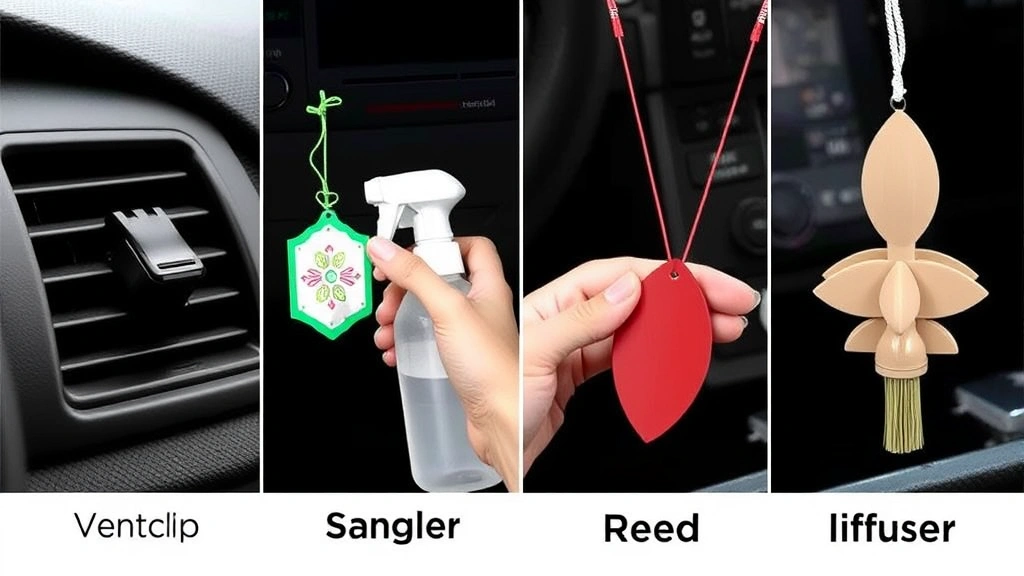
Interior Mist and Reed Diffusers are newer options that sit in cup holders or under seats. They release fragrance gradually without being visible. These work well with palo santo fragrance and other warm, grounding scents that create a luxurious feel in your vehicle.
Scent Profiles That Work in Cars
Not all fragrance families perform equally well in a confined car space. I’ve tested various scent profiles, and some clearly outperform others when you’re sitting in traffic or on a highway.
Fresh and Clean Notes are the safest choice for cars. These include citrus, aquatic, and herbal scents. They don’t become cloying and actually help mask stale air. Lemon, bergamot, and mint are particularly effective because they feel energizing during a commute.
Woody and Earthy Notes work well for longer drives. Woody fragrances like cedarwood and sandalwood create a sophisticated atmosphere without being overwhelming. These scents develop naturally over time, so they don’t feel repetitive after an hour of driving.
Avoid Heavy Florals and Gourmands in cars. Fragrances like vanilla, caramel, and heavy rose can become sickly sweet in an enclosed space. I’ve experienced car rides where someone used a gourmand fragrance, and it was genuinely unpleasant by the twenty-minute mark.
Leather and Aromatic Blends appeal to specific audiences. Leather cologne options create a premium driving experience, while aromatic blends with herbs and spices feel sophisticated without being too intense.
Performance and Longevity in Your Vehicle
The best car fragrance needs to last through your commute without dominating the space. I’ve been testing various products, and longevity varies dramatically depending on the type and quality.
Vent Clips typically last 3-4 weeks at full strength. After that, you notice the scent fading. The benefit is you can replace them affordably. Premium vent clips last closer to 6 weeks, but they cost more upfront.
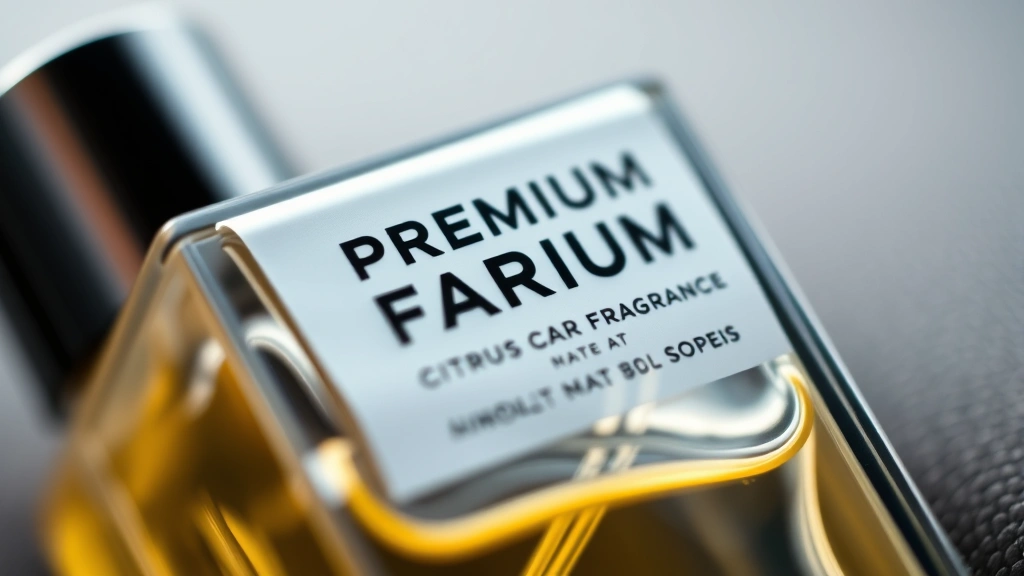
Hanging Fresheners last about 2-3 weeks before they become barely noticeable. Budget options fade faster, while higher-end hanging fresheners maintain potency longer. The scent intensity also depends on your car’s ventilation and how much you drive with windows open.
Spray Fragrances last as long as you want them to because you control application. One or two sprays in the morning can keep your car smelling fresh all day. The downside is it requires daily maintenance.
Reed Diffusers offer the longest longevity, sometimes lasting 8-12 weeks. They release fragrance gradually and consistently. However, they’re less adjustable, so if the scent becomes too strong, you’re somewhat stuck with it.
Environmental factors matter too. Heat accelerates fragrance release, so summer drives will have stronger scent projection than winter ones. Air conditioning also affects how fragrance disperses throughout the vehicle.
✅ Pros
- Improves driving experience and creates a pleasant environment during commutes
- Masks stale odors and keeps your car smelling fresh longer
- Wide variety of scent profiles and application methods to choose from
- Affordable options available at multiple price points
- Easy to customize intensity based on preference and season
- Enhances resale value perception when potential buyers enter your vehicle
❌ Cons
- Quality and longevity vary significantly between brands and price points
- Some fragrances can become cloying or overwhelming in confined spaces
- Regular replacement needed for vent clips and hanging fresheners
Choosing Fragrances for Every Season
The best car fragrance changes with the season. What works perfectly in winter might feel wrong in summer, and vice versa.
Spring and Summer call for fresh, light fragrances. Citrus notes feel refreshing when it’s warm outside. Citrus aromatic fragrances are ideal because they feel energizing and clean. Aquatic and herbal notes also work well. Avoid heavy scents that will amplify in the heat.
Fall and Winter are perfect for warmer, more complex fragrances. Woody notes, spices, and slightly gourmand elements feel appropriate when temperatures drop. Palo santo fragrance works beautifully in fall because it’s warm but not overwhelming. Coffee fragrance options also shine during colder months, creating a cozy driving environment.
Year-Round Options lean toward balanced fragrances that aren’t too light or too heavy. Aromatic blends with herbs and subtle spice work in most seasons. The key is choosing something versatile enough that you won’t need to replace it every three months.

I recommend having two car fragrances—one for warm months and one for cold months. It’s a small investment that significantly improves your driving experience throughout the year.
🔄 How It Compares: Vent clips offer more control than hanging fresheners because you adjust intensity, similar to how you’d control fragrance application on skin
Budget, Quality, and Making the Right Choice
The best car fragrance doesn’t have to be expensive, but understanding the value proposition helps you make smarter decisions.
Budget Options ($5-15) include basic vent clips and hanging fresheners. These work fine for occasional use, but they fade quickly and sometimes smell artificial. They’re good if you want to try different scents without committing financially.
Mid-Range Products ($15-40) offer better longevity and more refined scent profiles. Premium vent clips and quality hanging fresheners fall here. The fragrance quality improves noticeably, and they last longer than budget options.
Premium Options ($40+) include designer car fragrances, high-end diffusers, and professional-grade products. These offer superior longevity, sophisticated scent development, and often use better fragrance compounds. If you spend significant time driving, this investment pays off.
Alcohol-Free Options are worth considering if you have sensitive skin or prefer gentler products. Alcohol free fragrance options work well as car fragrances because they don’t evaporate as quickly and offer more stable scent release.
My recommendation is to start with a mid-range vent clip to test different scent families. Once you know what works for you, invest in a better product. Spending $30 on a vent clip that lasts two months is better than buying five $10 clips that fade in three weeks.
❓ Frequently Asked Questions
How often should I replace my car fragrance?
It depends on the type. Vent clips last 3-4 weeks, hanging fresheners last 2-3 weeks, and reed diffusers last 8-12 weeks. Replace when you notice the scent fading or becoming barely noticeable.
Can I use regular cologne or perfume in my car?
You can spray regular cologne in your car, but it’s not ideal. Car fragrances are formulated for enclosed spaces and longer-lasting performance. Regular cologne may become overwhelming quickly and won’t last as long.
What’s the best way to prevent my car from smelling bad?
Regular ventilation is key—crack your windows when parked. Keep your car clean, remove trash promptly, and address spills immediately. A good car fragrance masks remaining odors and keeps the interior fresh.
Are expensive car fragrances worth the investment?
Quality matters more than price alone. Mid-range to premium options last longer and smell better than budget alternatives. If you drive frequently, spending more upfront saves money long-term since better fragrances last 2-3 times longer.
Can I use multiple car fragrances at once?
I’d advise against it. Multiple fragrances in a confined space create a muddled, confusing scent that’s often unpleasant. Stick with one fragrance at a time for the best results.
Do car fragrances affect air quality or health?
Quality car fragrances are safe when used properly. Avoid excessive use—one vent clip or a couple of sprays daily is sufficient. If you experience headaches or respiratory irritation, reduce fragrance use or switch to a lighter scent.