⚡ Quick Answer
Blue cologne combines fresh citrus and woody notes to create a crisp, masculine scent that works year-round. The key to smelling irresistible is applying it to pulse points, understanding its performance, and choosing the right time to wear it.
Why Blue Cologne Matters for Your Scent Game
A quality blue cologne can completely change how people perceive you. I’ve noticed that when I wear a fresh, well-constructed blue cologne, conversations start differently and confidence feels natural. Blue cologne sits at the intersection of versatility and sophistication—it’s casual enough for everyday wear but polished enough for important moments.
The beauty of blue cologne is that it works across seasons and occasions. Unlike heavier fragrances that feel oppressive in summer or lighter ones that disappear in winter, blue cologne maintains its presence without overwhelming a room. It’s the fragrance equivalent of a perfectly fitted blue shirt—timeless, reliable, and universally flattering.
What makes blue cologne stand out is its ability to smell expensive without breaking the bank. The combination of citrus top notes with woody base notes creates depth that keeps people interested. On my skin, a good blue cologne reveals different facets throughout the day, starting bright and finishing warm.
The Key Ingredients That Make Blue Cologne Work
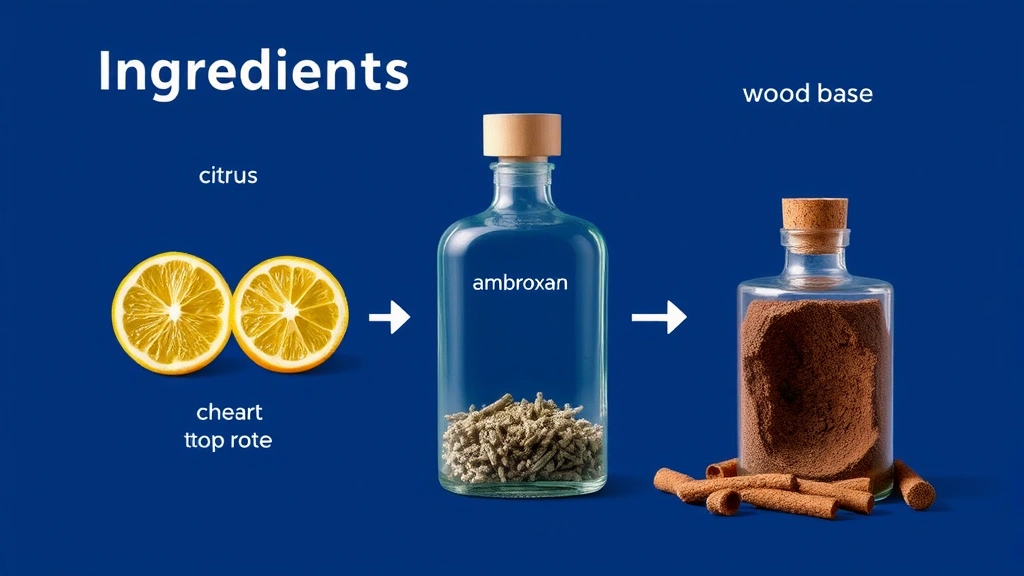
Blue cologne relies on specific ingredients to achieve its signature character. The most important are bergamot, ambroxan, and cedarwood. Bergamot provides that initial citrus freshness that makes the scent feel alive and clean. On my first spray, bergamot is what catches attention—it’s crisp, slightly sweet, and immediately likeable.
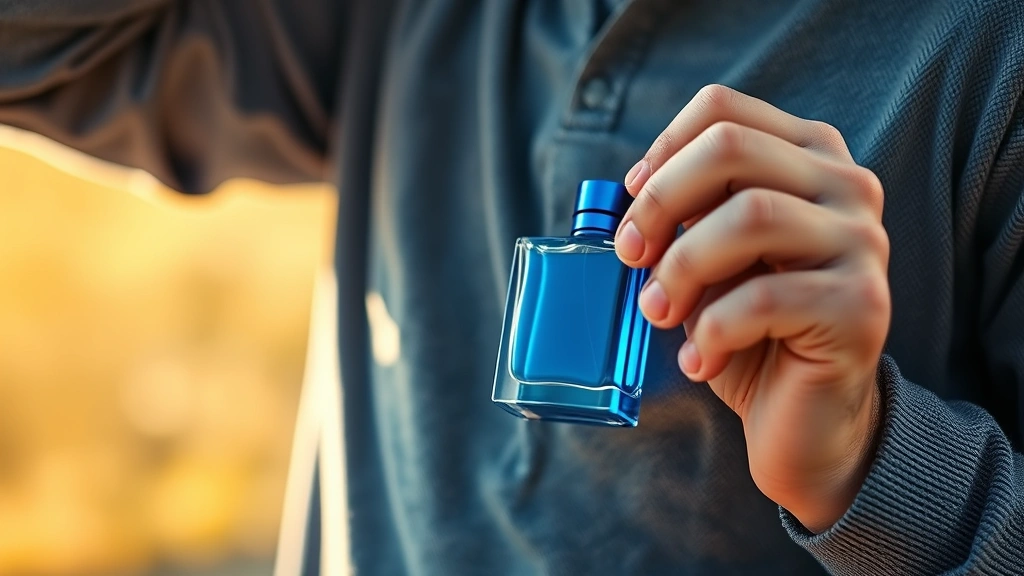
Ambroxan is the secret weapon in most blue colognes. This synthetic molecule creates warmth and longevity without smelling heavy. It’s why blue cologne can last six to eight hours on skin instead of fading after two. Ambroxan also adds a subtle sensuality that keeps people wanting to get closer.
Cedarwood and other woody notes provide the foundation. They’re what transform blue cologne from a simple citrus splash into a complete fragrance. The woody base prevents the scent from smelling one-dimensional. When you explore aromatic fougere fragrance for men, you’ll notice similar woody structures, though blue cologne tends toward cleaner, less herbal territory.
The combination of these ingredients explains why Bleu de Chanel Cologne became the benchmark for the category. The proportions are balanced perfectly—enough citrus to feel fresh, enough woods to feel substantial, and enough ambroxan to ensure it stays on your skin.
How Blue Cologne Develops on Your Skin
The first five minutes matter most. When you spray blue cologne on your skin, the alcohol carrier evaporates quickly, and you experience the top notes. This is pure bergamot and lemon—bright, zesty, almost citrus-forward. On my wrist, I can smell the individual notes clearly at this stage. It feels fresh enough to wake you up in the morning.
After fifteen minutes, the heart notes emerge. This is where the fragrance becomes more interesting. Subtle spice notes appear alongside the citrus, and you start sensing the ambroxan working underneath. The scent becomes rounder, less sharp. This middle phase lasts roughly two to four hours depending on the specific blue cologne you’re wearing.
By the fourth hour, the base notes dominate. The cedarwood and other woody elements become the main character. The citrus is still there but softer, more like a memory than a presence. This dry-down phase is where quality matters most. A poorly made blue cologne becomes generic or even soapy. A good one becomes warmer, more intimate, almost like a skin scent.
Understanding this progression helps you apply blue cologne strategically. If you’re going out in the morning and want maximum freshness, apply to your chest and neck. If you’re heading into an evening event, apply to pulse points like wrists and behind ears to extend the middle and base phases.
Real-World Performance and Staying Power
I’ve tested multiple blue colognes in actual conditions, not just in controlled environments. A quality blue cologne should last six to eight hours on your skin without reapplication. Budget options typically fade after three to four hours. Premium versions can last ten hours or more.
The type of blue cologne matters here. Cologne concentration (3-5% fragrance) lasts shorter than eau de toilette (5-15%). If you want all-day performance, choose eau de toilette or eau de parfum. If you prefer a lighter touch and don’t mind reapplying, cologne concentration is perfectly acceptable.
Skin type affects longevity significantly. On dry skin, blue cologne fades faster because there’s less oil to hold the fragrance molecules. On oily skin, it can last surprisingly long. Your body chemistry also plays a role—some people’s skin chemistry amplifies woody notes while others enhance citrus elements.
Temperature impacts performance too. In summer heat, blue cologne seems to last longer because warm skin accelerates the diffusion, making it feel more present. In winter cold, it might seem to fade faster, though it’s still there—you’re just not experiencing the same intensity of projection.
The best strategy is testing a blue cologne for at least a week before committing to a full bottle. Spray it in the morning and notice how it feels at lunch, afternoon, and evening. Pay attention to projection (how far the scent travels) versus sillage (how long it lingers on your clothes).
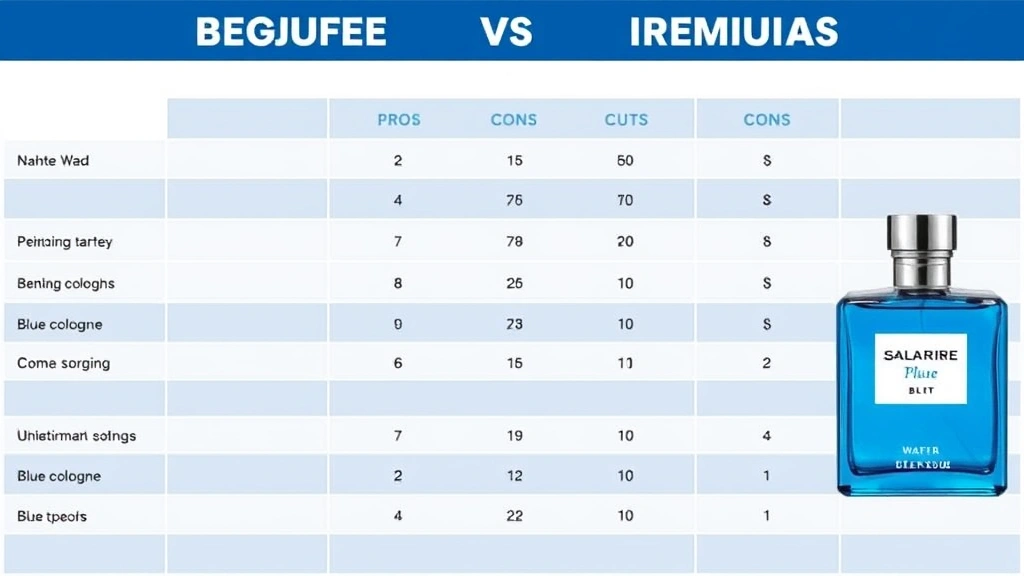
✅ Pros
- Versatile across seasons and occasions—works from casual to formal settings
- Fresh citrus notes feel natural and non-offensive to most people
- Good longevity for the price when you choose the right concentration
- Sophisticated enough to smell expensive without requiring premium pricing
- Works well with most skin types and body chemistries
- Easy to layer with other grooming products without clashing
❌ Cons
- Can feel generic if you choose a budget brand without character
- Citrus notes fade faster than woody notes, requiring reapplication for some
- Might feel too light for people who prefer heavier, more intense fragrances
When and Where to Wear Blue Cologne
Blue cologne is genuinely year-round, but timing matters. In spring and summer, wear it confidently. The fresh citrus notes feel natural in warm weather. I reach for blue cologne on hot days when I might normally skip fragrance because I think it’ll feel heavy. It doesn’t—the brightness cuts through the heat perfectly.
Spring is ideal because blue cologne’s freshness matches the season’s energy. Summer requires lighter application and maybe choosing a cologne concentration instead of eau de parfum. Fall works because blue cologne bridges the gap between summer freshness and winter warmth. Winter is trickier but absolutely possible if you apply to pulse points rather than spraying your chest.
For occasions, blue cologne handles almost everything. Casual day at work? Perfect. Dinner date? Absolutely. Wedding? Yes, though maybe apply moderately. Gym? Skip it—save your fragrance for when you’re clean. Business meeting? This is where blue cologne shines because it smells professional without being stuffy.
The key is understanding that best cologne scents work differently depending on context. Blue cologne is versatile enough to wear casually but refined enough for important moments. It’s the fragrance that people remember as “the good smell” without being able to pinpoint exactly why.
🔄 How It Compares: Compare to Bleu de Chanel because it’s the benchmark blue cologne that all others reference—if you like clean citrus with woody depth, start there
Making Your Blue Cologne Choice
Choosing the right blue cologne comes down to budget, performance expectations, and personal preference. If you’re exploring Chanel cologne for men, you’re looking at premium territory where quality is guaranteed but price is higher. Budget brands offer decent blue colognes that perform well enough for casual wear.
The difference in fragrance types matters when selecting blue cologne. Eau de toilette offers better longevity than cologne concentration but costs more. If you’re new to fragrances, start with a 50ml bottle rather than committing to 100ml. This lets you test how a scent works with your chemistry without overcommitting financially.
Application technique matters more than most people realize. One to two sprays on pulse points (wrists, neck, behind ears) is standard. Some people prefer spraying in the air and walking through the mist for lighter application. Others spray their chest for maximum projection. Experiment to find what feels right for your style and the occasion.
Building a fragrance wardrobe doesn’t mean abandoning blue cologne for other options. A quality blue cologne is foundational—the fragrance you return to consistently. Think of it like owning a perfect white t-shirt that goes with everything. Once you find your blue cologne, you’ll understand why so many people keep the same bottle in their rotation for years.
❓ Frequently Asked Questions
How much blue cologne should I apply?
One to two sprays on pulse points is the standard. Start with one spray and adjust based on how long you want it to last and how much projection you prefer. More isn’t always better—overapplication makes you smell like you’re wearing fragrance rather than smelling naturally good.
Can women wear blue cologne?
Absolutely. Blue cologne is marketed toward men, but fragrance doesn’t have a gender. If you like fresh, citrus-forward scents with woody undertones, wear it regardless of marketing. Many people find blue cologne works beautifully on anyone who appreciates clean, sophisticated fragrances.
What’s the difference between blue cologne and other fresh fragrances?
Blue cologne specifically refers to fragrances inspired by the Chanel Bleu line—they’re fresh and citrus-forward but grounded with woody notes. Other fresh fragrances might lean more aquatic, herbal, or floral. Blue cologne hits a specific balance that makes it versatile and universally appealing.
How do I make blue cologne last longer?
Apply to pulse points where your body generates heat. Moisturize your skin beforehand because hydrated skin holds fragrance longer. Choose eau de toilette or eau de parfum over cologne concentration. Layer with an unscented moisturizer. Avoid rubbing your wrists together—this breaks down fragrance molecules.
Is expensive blue cologne really better than budget options?
Generally yes, but not always dramatically. Premium blue colognes have better ingredient quality and longevity. Budget options can smell decent but fade faster. The best approach is testing both price ranges to see what works for your chemistry and expectations.
Can I wear blue cologne to a formal event?
Yes, but apply moderately. Blue cologne is sophisticated enough for formal occasions when applied to pulse points rather than sprayed generously. It smells refined without being heavy or overpowering, which is exactly what formal settings require.