⚡ Quick Answer
A coconut fragrance perfume brings tropical warmth and creamy sweetness to your everyday scent collection. It works best during warm months or for casual settings, offering comfort and approachability that makes people feel at ease around you.
First Impressions with Coconut Fragrance Perfume
When I first spray a coconut fragrance perfume, the initial hit is always inviting and warm. Unlike heavier florals or aggressive woody scents, coconut opens with a creamy, almost edible quality that feels familiar and comforting. The top notes typically carry a light sweetness that doesn’t feel artificial or overpowering.
What makes coconut fragrance perfume stand out is how it immediately sets a relaxed tone. Within the first few minutes, you notice the sweetness settling into something more subtle and wearable. I’ve found that people respond well to coconut scents because they remind us of vacation, tropical beaches, and simpler times.
The opening is usually bright enough to feel fresh, but grounded enough that it doesn’t scream for attention. This balance is what makes coconut fragrances so versatile for different occasions and personalities.
Understanding the Notes in Coconut Fragrances
Most quality coconut fragrances layer multiple notes to create depth. The top notes often include citrus elements like lemon or bergamot that give brightness, while the heart usually features the creamy coconut accord mixed with florals like jasmine or vanilla.
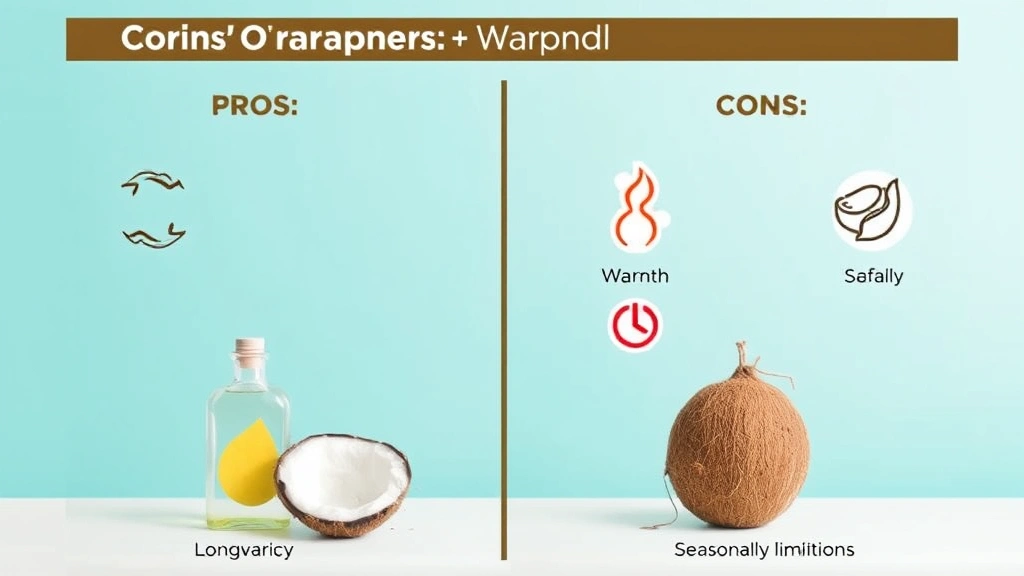
The base notes are where coconut fragrances really shine. You’ll typically find warm musks, sandalwood, or amber that anchor the coconut sweetness and make it last longer on your skin. Some fragrances add gourmand elements like caramel or tonka bean to amplify the creamy, dessert-like quality.
I always pay attention to whether the coconut smells like fresh coconut milk, dried coconut, or toasted coconut. Fresh coconut tends to be lighter and more fruity, while dried or toasted versions feel richer and more complex. The best coconut fragrances balance this with supporting notes so the coconut doesn’t become one-dimensional or cloyingly sweet.
When exploring options, check if brands like Atelier Cologne or Diptyque Fragrances offer coconut-forward scents in their collections.
How Coconut Fragrances Perform on Your Skin
Performance is everything when choosing a coconut fragrance perfume. On my skin, I’ve noticed that coconut scents tend to have moderate longevity, typically lasting 4-6 hours before needing a refresh. This is shorter than heavy orientals, but longer than most colognes.
The projection—how far the scent travels—is usually close to the skin with coconut fragrances. They don’t announce themselves loudly, which is actually a strength. You get a personal scent bubble that people notice when they’re close to you, rather than clearing a room with your fragrance.
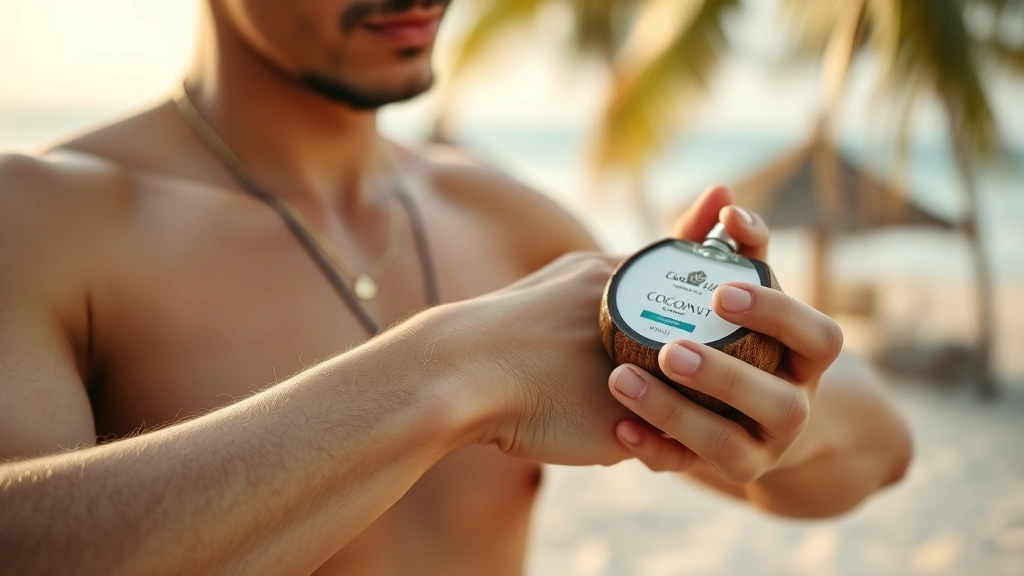
Skin chemistry plays a big role here. On warmer skin, coconut fragrances tend to develop faster and feel more tropical. On cooler skin, they might feel more creamy and subdued. I always recommend testing a coconut fragrance for at least 30 minutes to see how it evolves. For more details on maximizing fragrance performance, check out our guide on how long do fragrances last and where to apply cologne.
Best Times and Occasions for Coconut Fragrance Perfume
Coconut fragrance perfume shines during warm weather months. Spring through early fall is prime time because the creamy sweetness feels appropriate with lighter clothing and outdoor activities. The tropical vibe matches the season perfectly.
For occasions, coconut works beautifully for casual settings—weekend brunches, beach trips, casual dates, or just running errands. The friendly nature of coconut scents makes them perfect for approachable situations where you don’t want to seem overly formal or intimidating.
I’ve also found coconut fragrances work well for evening wear if you choose the right one. Deeper, richer coconut scents with amber or musk bases can feel sophisticated enough for dinner out or social events. The key is avoiding overly gourmand versions that smell like dessert rather than perfume.
Avoid wearing coconut fragrances in very cold weather unless you want an unusual contrast. Winter scents typically lean toward spice, woodiness, and warmth from sources other than tropical fruits. However, if your office is warm year-round or you spend time in heated environments, coconut can work anytime.
✅ Pros
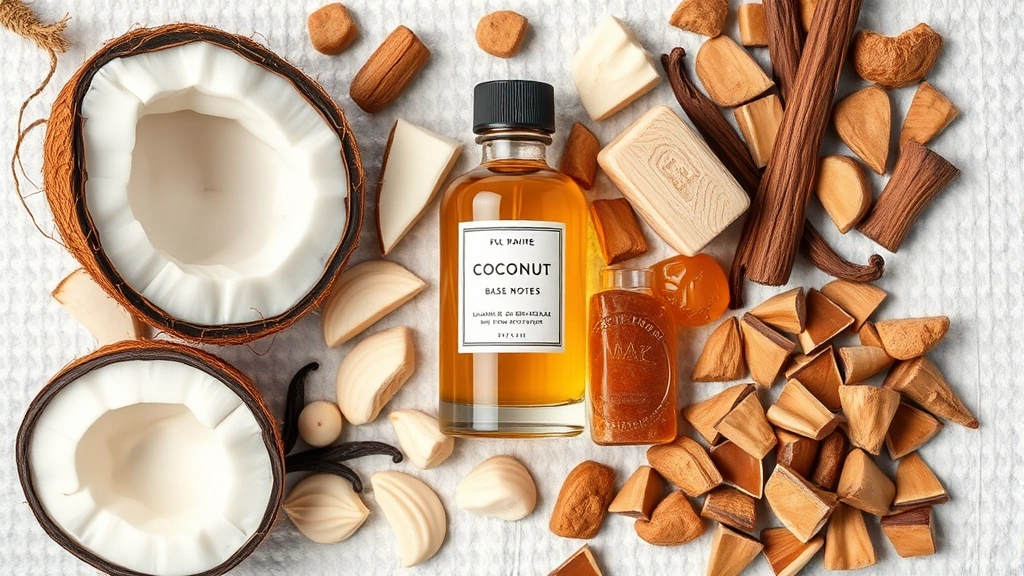
- Warm, inviting scent that feels approachable and friendly to those around you
- Perfect for warm weather and tropical vacations, creating instant vacation vibes
- Moderate longevity (4-6 hours) balances noticeable presence without being overwhelming
- Versatile enough for casual settings but can work for evening wear with the right composition
- Creamy sweetness feels comforting without being overly gourmand or dessert-like
- Works well for both men and women when formulated thoughtfully
❌ Cons
- Shorter longevity than heavier fragrances means you might need a midday refresh
- Can feel out of place during winter or cold weather months
- Cheaper versions often smell artificial or overly candy-like rather than naturally creamy
- Close projection means people only catch it when nearby, not a statement scent
Getting Real Value from Your Coconut Fragrance Investment
When evaluating whether a coconut fragrance perfume is worth your money, consider the price per wear. A $60 bottle that lasts 4-6 hours daily throughout spring and summer actually costs you less per wear than a $150 bottle you only wear occasionally.
Quality matters significantly with coconut fragrances. Cheaper versions often smell artificial or too candy-like, while quality fragrances capture the creamy, nuanced side of coconut. The difference between a $30 fragrance and a $80 fragrance is usually noticeable after the first hour when the artificial notes fade.
I recommend starting with a smaller bottle or sampler if you’re new to coconut fragrances. Brands offer different expressions—some focus on fresh coconut water, others on creamy coconut milk, and some on toasted coconut. Finding your preferred style before committing to a full bottle saves money and disappointment.
Consider exploring options from Elemis Fragrances or checking out complementary scents like Bath and Body Works Bourbon Cologne for budget-friendly alternatives. Our fragrance primer can help you understand value markers in the perfume industry.
💡 Pro Tip: Test coconut fragrances for at least 30 minutes before purchasing to see how they develop on your skin chemistry
Coconut Fragrances and Similar Tropical Alternatives
If you love coconut fragrances but want to explore nearby territory, consider fragrances built around other tropical fruits like mango, papaya, or pineapple. These share the warm, summery quality without being identical. They often layer similarly with creamy bases and bright top notes.
Vanilla fragrances are close cousins to coconut scents. Many coconut fragrances contain vanilla in the base, and many vanilla fragrances contain coconut. If you enjoy one, you’ll likely enjoy the other. The main difference is that vanilla feels warmer and more intimate, while coconut feels brighter and more playful.
Floral fragrances with creamy bases—think jasmine or gardenia with sandalwood—offer similar comfort and approachability. They’re slightly more sophisticated than coconut but share that friendly, non-threatening quality.
For a more specific comparison, check out Atelier Cologne Vanille Insensée if you’re drawn to creamy, sweet fragrances. It offers similar warmth with a slightly different flavor profile that might appeal if you’re exploring beyond straight coconut scents.
❓ Frequently Asked Questions
Is coconut fragrance perfume suitable for men?
Absolutely. While coconut might sound feminine, the way it’s composed matters. Coconut fragrances with deeper bases featuring musk, cedar, or amber work beautifully for men. Lighter, fruitier coconut fragrances can work for anyone who enjoys tropical scents regardless of gender.
Will coconut fragrance perfume smell artificial?
Not if you choose quality fragrances. Cheap coconut scents often use synthetic coconut compounds that smell candy-like or plastic-y. Mid-range and luxury fragrances use better coconut accords that smell creamy and natural. Always test before buying if possible.
How do I make my coconut fragrance last longer?
Apply to pulse points like wrists and neck where warmth helps diffuse the scent. Layer with unscented lotion on your skin first to give the fragrance something to grip. Store it away from direct sunlight and heat. Consider using a fragrance primer on your skin beforehand.
Can I wear coconut fragrance in winter?
Technically yes, but it’s unconventional. Winter typically calls for warmer, spicier scents. If you love coconut, choose a richer version with amber or musk bases, and save lighter coconut fragrances for warm months. Wearing coconut in winter can feel out of place unless your environment is very warm.
What’s the difference between coconut fragrance and coconut body spray?
Fragrance perfumes have higher concentration of fragrance oils (15-20%), lasting 4-6 hours or more. Body sprays have lower concentration (1-3%), lasting 1-2 hours. Perfumes smell more sophisticated and complex, while body sprays are lighter and more playful. Choose perfume if you want lasting scent, body spray for layering or quick freshness.
Are coconut fragrances good for sensitive skin?
Coconut itself is generally well-tolerated, but individual fragrances vary. Some people react to certain fragrance compounds. Always patch test on a small area first. If you have sensitive skin, look for fragrances with fewer synthetic ingredients or test samples before committing to full bottles.