⚡ Quick Answer
Cologne, Germany offers incredible attractions beyond its famous fragrance heritage, including the stunning Cologne Cathedral, Rhine River views, world-class museums, and vibrant neighborhoods. Whether you’re into history, art, or local culture, there’s something for everyone in this charming German city.
Cologne Attractions at a Glance
Cologne is one of Germany’s most captivating cities, and honestly, most visitors focus only on the cathedral and miss out on so much. I’ve explored the city multiple times, and each visit reveals new reasons to come back. The city sits perfectly on the Rhine River, giving you natural beauty mixed with centuries of history. Beyond the obvious tourist spots, cologne attractions include hidden museums, quirky neighborhoods, and experiences that locals actually enjoy.
If you’re traveling from Amsterdam, the Amsterdam to Cologne train gets you there in about 2 hours, making it a perfect day trip or weekend escape. The city has something for art lovers, history buffs, foodies, and anyone who appreciates good German culture.
10 Essential Cologne Attractions You Need to Experience
1. Cologne Cathedral (Kölner Dom) – This is the obvious starting point, but for good reason. The Gothic architecture is breathtaking, and I recommend climbing the 533 steps to the top for Rhine views that stick with you. It’s a UNESCO World Heritage site and took over 600 years to complete.
2. The Rhine River Walk – Skip the touristy river cruises and walk the Rheinuferpromenade instead. I noticed locals do this constantly, especially on weekends. The paths are peaceful, and you get real perspectives of the city’s bridges and skyline.
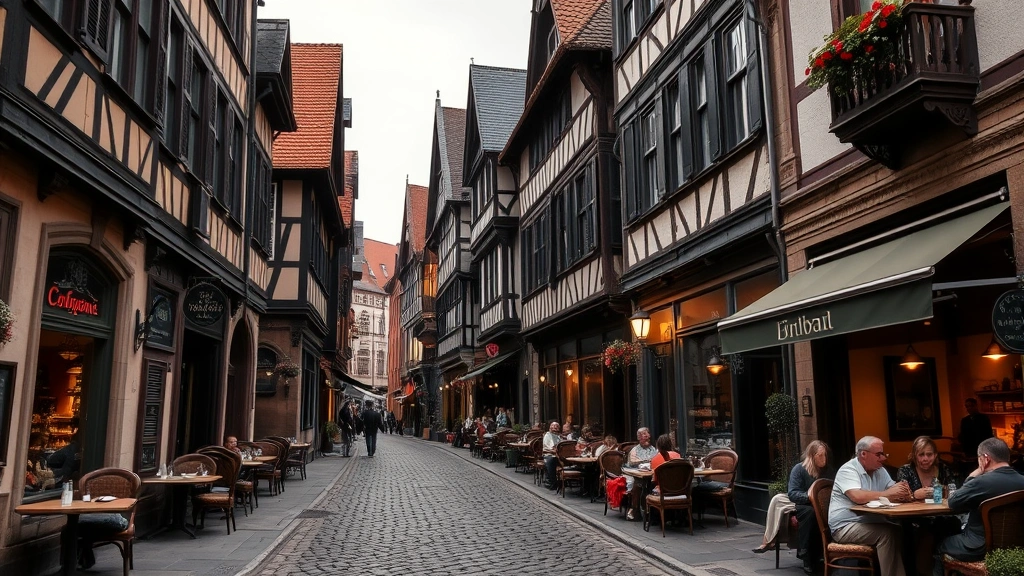
3. Museum Ludwig – If you care about modern and contemporary art, this museum is incredible. The collection rivals larger European cities, and the building itself is architecturally interesting.
4. Old Town (Altstadt) – The narrow streets and half-timbered houses feel like stepping into a storybook. On my skin of exploration, I found the best local restaurants tucked into these corners. It’s chaotic but authentic.
5. 4711 Fragrance House – Since you’re into cologne, visiting the 4711 German Cologne flagship is essential. This historic fragrance house has been making cologne since 1792, and the shop is beautiful.
6. Hohenzollern Bridge – Famous for the love locks, but the views are genuinely stunning. The bridge connects to the right bank and is perfect for photos during golden hour.
7. Wallraf-Richartz Museum – Medieval and modern art under one roof. I found the medieval collection particularly moving, with works spanning centuries.

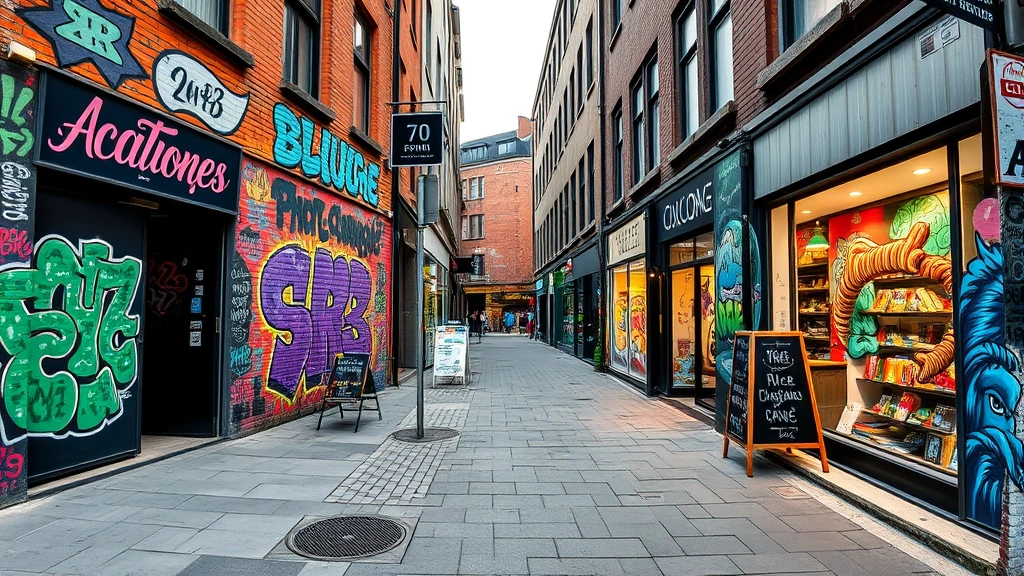
8. Ehrenfeld District – This neighborhood has street art, indie shops, and the best coffee culture in Cologne. It’s where younger locals hang out, and it feels far from the tourist trail.
9. Roman-Germanic Museum – Roman history buffs will love this. The artifacts show how important Cologne was during the Roman period.
10. Chocolate Museum – Quirky but genuinely fun. You get to see chocolate being made and can enjoy the fountain at the end (yes, you can taste it).
Pros and Cons of Visiting Cologne
Pros:
- Easy to reach from other German cities and Belgium via train
- Incredible architecture mixing Gothic, Roman, and modern styles
- World-class museums and cultural institutions
- Excellent public transportation system that’s intuitive to navigate
- Amazing food scene with traditional German restaurants and modern eateries
- The Rhine River provides natural beauty right in the city
Cons:

- The city center gets extremely crowded during peak tourist season
- Accommodation prices spike around major events and holidays
- Some museums can feel repetitive if you’re doing a longer stay
- Weather is often unpredictable, especially in fall and winter
Best Times and Occasions to Visit
Spring (April-May) and early fall (September-October) are genuinely the best times to visit. I’ve been during summer, and the crowds are intense while the heat makes walking around less enjoyable. The autumn colors along the Rhine are particularly beautiful.
If you’re into festivals, Cologne hosts major events year-round. Carnival season is massive but chaotic. The Christmas markets in December are worth experiencing if you can handle the crowds.
For a relaxed experience, visit on weekdays during shoulder seasons. You’ll actually enjoy the attractions without feeling rushed. If you’re combining this with fragrance interests, check when the 4711 fragrance house has special exhibitions or events.
✅ Pros
- Stunning Gothic cathedral and riverside location create unforgettable views
- World-class museums rival larger European cities
- Easy train access from Amsterdam, Brussels, and other German cities
- Authentic neighborhoods and local food scene beyond tourist areas
- Historic fragrance heritage with the 4711 house experience
- Manageable city size that’s not overwhelming like Berlin or Munich
❌ Cons
- Can get extremely crowded during peak seasons and festivals
- Accommodation prices spike during major events
- Unpredictable weather especially in fall and winter months
How Cologne Compares to Other German Cities
Cologne differs from Berlin, Munich, and Frankfurt in important ways. Berlin is more cutting-edge and political, Munich is more conservative and traditional, while Cologne balances history with a relaxed, fun atmosphere. On my visits, Cologne felt more approachable than these larger cities.
If you’re torn between destinations, consider what you want. Cologne is perfect if you want manageable size, river beauty, and cultural depth without feeling overwhelmed. It’s also your best option if you want to experience German fragrance heritage firsthand at the 4711 house.
The city is also perfectly positioned for day trips. You can easily reach Düsseldorf, Bonn, or smaller Rhine Valley towns for wine tasting. This makes Cologne an excellent base for exploring the broader region.
🔄 How It Compares: Cologne feels more relaxed and manageable than Berlin’s intensity
Why Cologne Attractions Should Be on Your List
Cologne attractions offer something most European cities don’t – a combination of world-class art and culture with genuine local character. The city hasn’t been over-sanitized like some tourist destinations. You’ll see real people living real lives alongside the visitors.
I’d recommend spending at least 2-3 days here. Day one covers the cathedral, Old Town, and Rhine walk. Day two focuses on museums that interest you specifically. Day three lets you explore neighborhoods like Ehrenfeld or take a day trip. This rhythm lets you experience both the main attractions and the city’s soul.
Whether you’re a fragrance enthusiast visiting the 4711 German Cologne house, a history lover exploring Roman artifacts, or simply someone who wants to enjoy good beer and German hospitality, Cologne delivers. The city has this energy that makes you want to stay longer than planned.
❓ Frequently Asked Questions
How many days should I spend in Cologne?
Two to three days is ideal. This gives you time to see major attractions like the cathedral and museums without feeling rushed, plus time to explore neighborhoods and enjoy local restaurants.
Is Cologne easy to get around?
Yes, the public transportation system is excellent and easy to navigate. The city center is also very walkable, and most attractions are within reasonable distances of each other.
When is the best time to visit Cologne?
Spring (April-May) and early fall (September-October) offer the best weather and smaller crowds. Summer is hot and crowded, while winter can be gray though the Christmas markets are special.
What makes the 4711 Fragrance House special?
It’s the birthplace of eau de cologne and has been operating since 1792. The flagship store is beautifully designed, and you can learn about the history of cologne fragrance while shopping for their classic scents.
Can I visit Cologne as a day trip?
Yes, if you’re coming from Amsterdam or other nearby cities, a day trip works. You can see the cathedral, walk the Old Town, and visit one museum. However, two days is much better for a fuller experience.
Are there free attractions in Cologne?
Yes. The Rhine River walk is free, exploring the Old Town is free, the cathedral exterior is free (climbing to the top costs money), and several neighborhoods like Ehrenfeld are free to explore.