⚡ Quick Answer
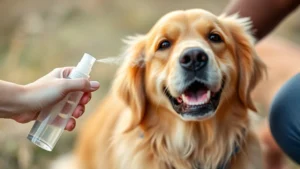
A dog fragrance spray keeps your pet smelling fresh between baths by neutralizing odors with pet-safe ingredients. These sprays are quick, convenient, and help maintain that clean scent without harsh chemicals that could irritate your dog’s sensitive skin.
What is Dog Fragrance Spray?
I noticed that dog fragrance spray is one of the easiest ways to keep your pet smelling good without giving them a full bath every week. It’s a lightweight mist designed specifically for dogs, formulated to be safe on their skin and coat while neutralizing odors naturally.
A dog fragrance spray works by coating the fur with a light scent that masks odors and leaves your pup smelling fresh. Unlike human perfumes or colognes, these sprays contain ingredients that won’t dry out your dog’s skin or cause irritation. You just spritz it lightly over your dog’s coat, avoid the face and eyes, and you’re done in seconds.
The best part? It’s a maintenance tool between baths. If your dog rolled in something questionable on a Tuesday afternoon, a quick spray can solve the problem without waiting until bath day. Most dog owners I’ve talked to keep one on hand for exactly these moments.
7 Essential Ways to Use Dog Fragrance Spray
1. Between-Bath Freshness – This is the primary use. Spray lightly on your dog’s coat 2-3 days after a bath to extend that clean smell. It’s perfect for dogs who don’t need weekly baths but still get that “dog smell” between washes.
2. After Outdoor Activities – When your dog comes inside after playing outside, a quick spray removes outdoor odors and dust without needing a full rinse. Your couch will thank you.
3. Before Grooming Appointments – Many groomers appreciate when dogs arrive fresher. A light spray beforehand shows you’re taking care of your pet’s hygiene and helps the groomer work more comfortably.
4. Spot Freshening Problem Areas – Dogs have areas that smell faster, like their paws, ears, and rear end. You can spray these specific spots instead of doing the whole body.
5. Odor Control in Dog Beds – Lightly spray your dog’s bed or blankets to keep them smelling fresh longer. This extends the time between washes for their bedding too.
6. Post-Swim or Wet Weather – After your dog gets wet from swimming or rain, a spray helps neutralize that wet dog smell while they dry. It’s much faster than a full wash.
7. For Sensitive Skin Dogs – If your dog has sensitive skin that can’t handle frequent bathing, a fragrance spray lets you maintain freshness without overdoing water exposure. This is similar to how people use fragrance-free products for sensitive skin, except these sprays are formulated specifically for your dog.
How Long Does It Last and What to Expect
On my experience with different dog fragrance sprays, I’d say most last between 3-5 days depending on how active your dog is. If your dog spends hours outside or in the water, the scent fades faster. Indoor dogs tend to stay fresher longer.
The scent intensity matters too. Some sprays are subtle and disappear after a couple days, while others are stronger and last longer. You want something noticeable to you but not overwhelming. Your dog’s sense of smell is 10,000 times stronger than yours, so what smells light to you might be intense for them.
Performance also depends on your dog’s coat type. Dogs with longer, thicker coats hold the scent longer because there’s more surface area for the fragrance to cling to. Short-haired dogs might need reapplication sooner. Water and humidity break down the scent faster, so seasonal changes affect longevity too.
I recommend testing a spray on a small section first to see how your specific dog reacts. Some dogs are sensitive to any scent, while others barely notice it. Watch for excessive scratching or head shaking in the first few hours after application, which would indicate irritation.
Best Times and Situations to Use Dog Fragrance Spray
Dog fragrance spray works best when you’re maintaining freshness, not trying to cover up serious odor problems. If your dog genuinely needs a bath, spray won’t replace that. But for everyday maintenance and quick freshness boosts, it’s perfect timing.
Use it in the mornings if you’re having guests over later that day. Spray it before dog park visits or playdates so your dog smells clean around other pets and owners. After your dog’s regular outdoor time in the afternoon, a quick spray keeps evening cuddle time more pleasant.
Avoid using it right before or after bathing. Your dog’s coat is already clean after a bath, so wait at least 2-3 days before spraying. Also don’t spray if your dog has open wounds, skin infections, or obvious irritation. Those situations need veterinary attention, not fragrance.
Seasonal timing matters too. In summer when humidity increases and your dog might be more active, you’ll probably spray more often. Winter requires less frequent application because outdoor activity is typically lower and moisture levels change.
One thing I always recommend: never spray your dog’s face, ears, or near their eyes. Stick to the back, sides, and rear end of the body. This keeps the fragrance away from sensitive areas while still providing noticeable freshness.
✅ Pros
- Quick and convenient maintenance between baths
- Safe, pet-formulated ingredients designed for dog skin
- Extends time between full baths without harsh chemicals
- Affordable and lasts weeks with regular use
- No water needed, perfect for dogs that hate bathing
- Targeted application lets you freshen specific areas
❌ Cons
- Temporary solution that lasts only 3-5 days
- Won’t replace actual baths for thorough cleaning
- Some dogs are sensitive to any added fragrance
Safety and Ingredients to Look For
Not all dog fragrances are created equal. The key difference is that pet-safe sprays use ingredients that won’t harm your dog if they lick their coat later, which they absolutely will. Human fragrances contain alcohol and chemicals that can be toxic to dogs, so never use those.
Look for sprays with natural ingredients like essential oils, but make sure they’re diluted properly. Some oils like tea tree, eucalyptus, and citrus are problematic for dogs in concentrated forms. Good dog fragrances use safe alternatives or heavily diluted versions of these ingredients.
Water-based sprays are generally safer than alcohol-based ones. They’re gentler on skin and less likely to cause irritation or dryness. Check the ingredient list and avoid anything with parabens, phthalates, or artificial dyes. These are unnecessary and potentially irritating for your dog’s sensitive skin.
Hypoallergenic formulas are worth the extra cost if your dog has any skin sensitivity or allergies. These exclude common irritants and are tested to be safe for reactive skin. This approach is similar to how people look for fragrance-free moisturizers for sensitive skin—the principle of avoiding unnecessary irritants is the same.
Always check the pH balance. Dog skin is more acidic than human skin, so sprays formulated for the correct pH won’t disrupt their skin barrier. Read reviews from other dog owners with similar breeds and skin types to get real-world feedback before buying.
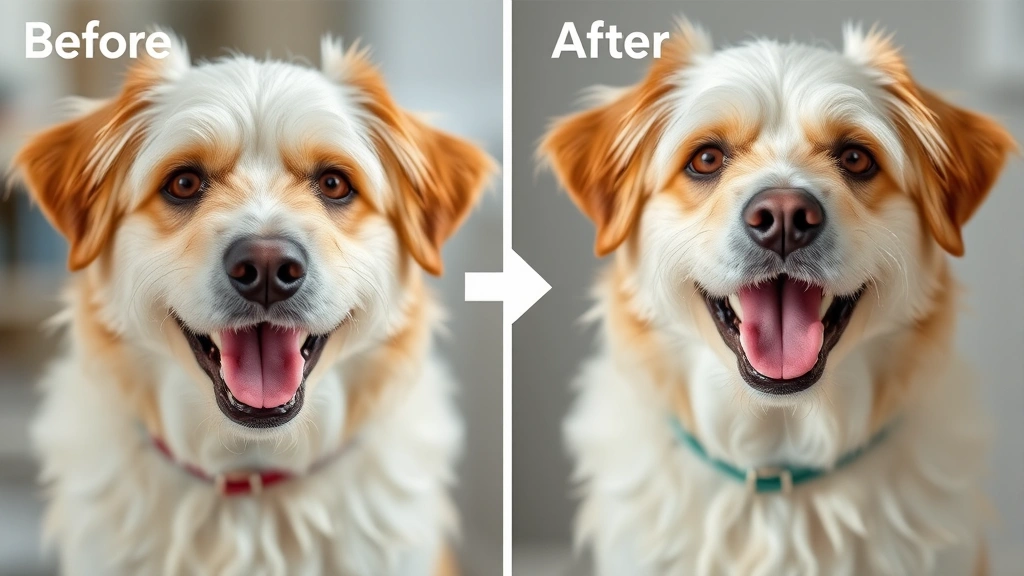
🔄 How It Compares: Dog fragrance spray vs. full bath: spray is faster and easier but less thorough; baths clean better but take more time and effort
Comparison to Other Pet Care Products
Dog fragrance spray sits in a specific category between regular dog shampoos and other grooming products. Unlike full baths, sprays require zero water and minimal time. Unlike dry shampoos that absorb oils, fragrance sprays just add scent without changing the coat’s natural oils.
If you’re looking at home fragrance products for keeping your house smelling good while your dog lives there, those are separate from dog-specific sprays. Home fragrances can be problematic for dogs because they’re not formulated for pet safety. Stick with dog sprays for your pet and separate home products for your space.
Some people use auto fragrances in their cars to mask dog odors, which works fine for the car itself, but won’t help your dog smell fresher. That’s a different use case entirely.
The advantage over regular bathing is obvious: speed and convenience. The advantage over just living with dog odor is equally clear: your dog smells better. The trade-off is that sprays are temporary while baths are more thorough, so use them as complementary tools, not replacements for proper grooming.
Some dog owners combine sprays with grooming wipes or dry shampoos for a complete freshness routine. This layered approach keeps dogs fresher longer without excessive bathing, which is especially helpful for dogs with sensitive skin or those who hate water.
❓ Frequently Asked Questions
Is dog fragrance spray safe for all dogs?
Most quality dog fragrance sprays are safe, but puppies under 8 weeks, dogs with skin conditions, and those with respiratory sensitivity need caution. Always patch test on a small area first and consult your vet if your dog has any skin issues or health concerns.
How often can I use dog fragrance spray?
You can use it 2-3 times per week safely on most dogs. More frequent use isn’t necessary and might irritate sensitive skin. Space applications out to let your dog’s natural skin oils balance between uses.
Can I use human perfume or cologne on my dog?
Absolutely not. Human fragrances contain alcohol and chemicals toxic to dogs. Always use products specifically formulated for pets. The pH and ingredients are completely different from what’s safe for your dog’s skin.
What if my dog licks the spray off?
Pet-safe dog fragrances are formulated to be non-toxic if ingested in small amounts, which happens naturally as dogs groom themselves. This is why choosing actual dog fragrance sprays over human products is crucial.
Does dog fragrance spray replace regular baths?
No. Sprays maintain freshness between baths but don’t clean your dog’s skin or remove dirt buildup. Use them as a supplement to regular bathing, not a replacement. Most dogs still need baths every 4-6 weeks depending on breed and lifestyle.
Why does my dog shake their head after spraying?
Dogs might shake their head if the spray gets too close to their ears or if they’re sensitive to the scent. Always spray from a distance and avoid the head area. If shaking persists, try a lighter application or switch to a less potent formula.