⚡ Quick Answer
A strategic fragrance display boosts sales by making scents visually appealing and easy to test. Smart placement, lighting, and organization turn browsers into buyers.
Why Fragrance Display Matters for Your Sales
I’ve watched retailers struggle with fragrance displays that don’t convert. The problem isn’t the products—it’s how they’re presented. A fragrance display is more than just shelves with bottles. It’s the first impression customers get, and it determines whether they stop to explore or walk past.
When displays are cluttered or poorly lit, even premium fragrances like black cologne bottles don’t stand out. When they’re organized thoughtfully with proper lighting and testers, sales jump. I’ve seen retailers increase fragrance sales by 30-40% just by fixing their display strategy.
The key is understanding that customers want to see, touch, and smell before buying. A fragrance display that makes this easy removes friction from the buying process.
The 5 Essential Elements of a Winning Display
Building an effective fragrance display comes down to five core elements. First is organization. Group fragrances by category—men’s, women’s, unisex—or by scent families like musk fragrances and vanilla fragrances. Customers should understand what they’re looking at without having to ask.
Second is lighting. Poor lighting kills fragrance sales. You need warm, focused light that makes bottles look inviting without creating glare. I recommend LED spotlights on key pieces and ambient lighting around the display.
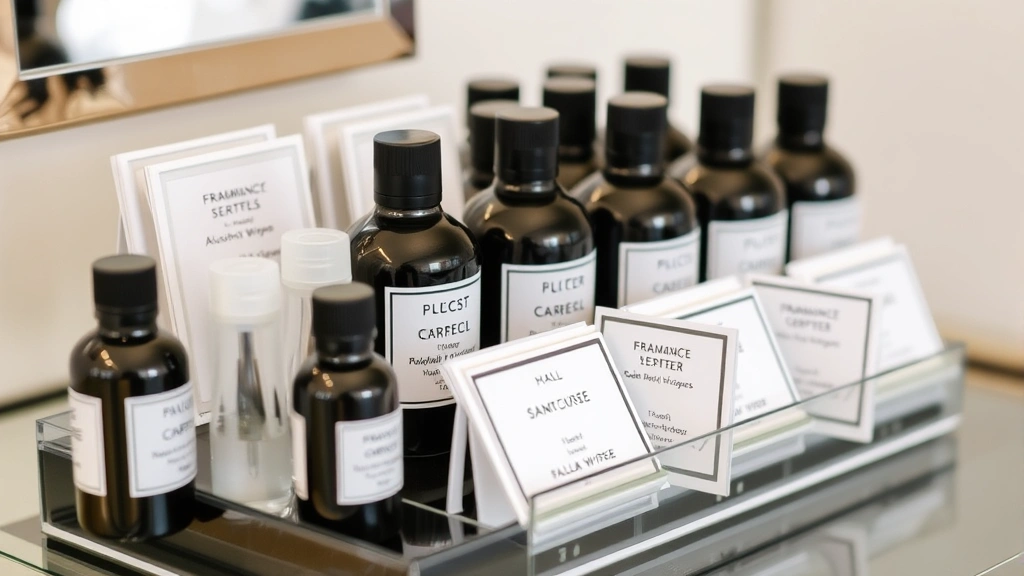
Third is testers. Never underestimate the power of letting customers experience a fragrance. Testers should be clean, properly filled, and clearly labeled. This is non-negotiable.
Fourth is visual hierarchy. Feature your best sellers and highest-margin items at eye level. Premium collections like Atelier Cologne Rare Collection deserve prominent placement.
Fifth is storytelling. Include cards with fragrance notes, descriptions, and brand heritage. Customers love knowing what they’re buying. Reference popular collections like men’s oud fragrances or Bvlgari colognes to build context.
Designing Your Display Layout
The physical layout of your fragrance display matters more than most retailers realize. I’ve tested different arrangements, and certain layouts consistently outperform others.
Start with a tiered structure. Use risers and shelves at different heights to create visual interest and ensure every bottle is visible. A flat, single-level display feels boring and wastes space.
Next, create a natural flow. Place entry-level fragrances on the left where customers typically start. Move toward premium options as you go right. This guides customers through a natural buying journey.
Don’t overcrowd. Empty space makes displays feel curated, not cluttered. I recommend showing 15-25 fragrances per square foot of display space, not more. Quality over quantity always wins.
Mirror placement matters too. A mirror behind your display lets customers see themselves while testing. This subconscious connection increases purchase intent significantly.
Finally, consider complementary products. Place candle fragrance options nearby, or bundle recommendations with brands like Amouage fragrances or best Chanel fragrances for women to increase basket size.
Lighting and Scent Neutralization Strategies
Lighting is where most fragrance displays fail. I’ve seen beautiful bottles ruined by harsh fluorescent lights or dim corners that make shopping feel depressing.
Use 3000K-4000K color temperature LEDs. This range feels natural and makes fragrances look premium without appearing cold or sterile. Avoid anything below 3000K or above 5000K.
Layer your lighting. Use ambient lighting to set the overall mood, accent lighting for featured products, and task lighting for testers. This creates depth and guides the customer’s eye.
Scent neutralization is equally critical. Too many fragrances competing in one space overwhelms customers and makes it hard to evaluate anything. I recommend using scent-neutral areas or separate sections for different fragrance families.
Place coffee beans or unscented palate cleansers near testers. This simple trick helps reset noses between samples and prevents fragrance fatigue.
Keep the air moving with subtle ventilation. Stagnant air traps competing scents and makes the space feel stuffy. A gentle breeze keeps things fresh.
✅ Pros
- Organized displays reduce customer decision fatigue and increase purchase confidence
- Proper lighting makes fragrances look premium and attracts more shoppers
- Accessible testers let customers experience scents before buying, reducing returns
- Strategic placement of high-margin items increases profit per transaction
- Regular display refreshes keep customers engaged and signal inventory updates
- Clear signage with notes and descriptions justifies pricing and builds brand story
❌ Cons
- Poorly maintained testers damage brand perception and discourage purchases
- Overcrowded displays overwhelm customers and reduce conversion rates
- High-quality displays require ongoing maintenance and staff training investment
Merchandising Tactics That Convert Browsers to Buyers
A fragrance display is only effective if it converts interest into sales. I use specific merchandising tactics that work consistently.
First, create sampling stations. Make it easy and inviting for customers to test. Provide sample cards, alcohol pads, and clear instructions. I’ve seen conversion rates jump 25% when sampling is friction-free.
Second, use signage strategically. Include price, notes, and a brief story for each fragrance. Don’t overwhelm with text, but give enough information to justify the purchase decision.
Third, rotate featured items. Change your display every 2-4 weeks. New customers see fresh products, and regulars stay engaged. Feature seasonal fragrances and trending options prominently.
Fourth, bundle strategically. Suggest complementary purchases. Someone buying a premium fragrance is a perfect candidate for a scent-matching candle or body spray.
Fifth, leverage staff expertise. Train your team to guide customers based on preferences. A knowledgeable staff member can increase average transaction value by 40-50%.
Finally, create FOMO moments. Limited editions or exclusive items in your display create urgency. Customers who see something special want it before it’s gone.
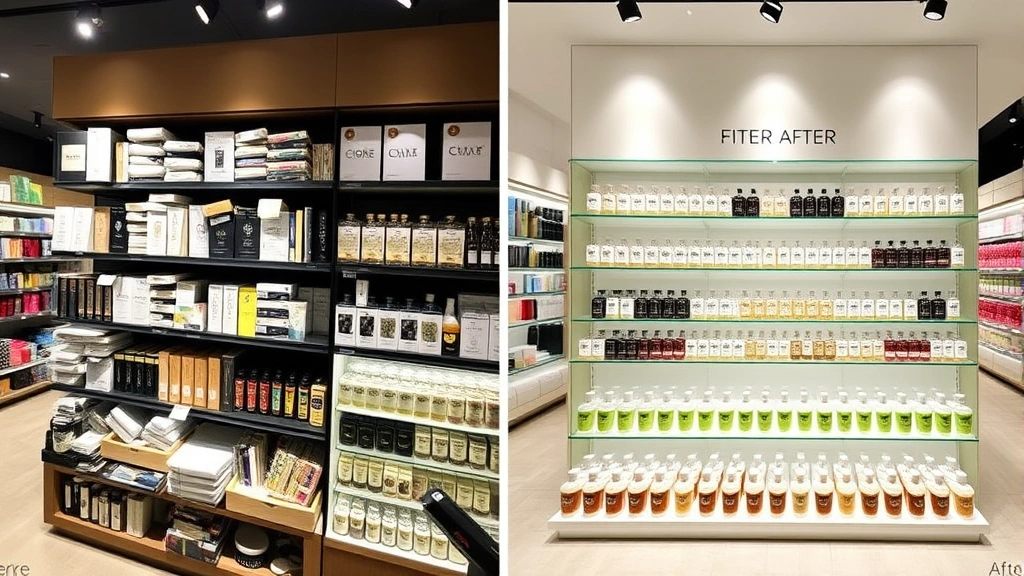
💡 Pro Tip: Use risers and shelves at different heights to create visual interest and ensure visibility
Measuring Your Display Success
You need metrics to know if your fragrance display is working. I track three key numbers: foot traffic, conversion rate, and average transaction value.
Track foot traffic with a simple counter or observation. How many people stop at your display? If it’s low, your display isn’t attracting attention.
Measure conversion rate. What percentage of people who stop actually buy? Aim for 25-35%. Anything below 15% means something’s wrong with your display, pricing, or product selection.
Monitor average transaction value. Are customers buying one item or multiple? A strong display should increase basket size by encouraging complementary purchases.
Beyond numbers, gather feedback. Ask customers what they like or dislike about your display. Listen to staff about which fragrances get the most questions or complaints.
Test changes one at a time. Change your lighting, then wait two weeks and measure impact. Add testers, then measure again. This scientific approach shows you what actually works versus what feels good.
Adjust quarterly. Retail changes seasonally. Your winter fragrance display should differ from summer. Keep evolving based on data and feedback.
❓ Frequently Asked Questions
How often should I refresh my fragrance display?
I recommend a full refresh every 4-6 weeks and smaller adjustments every 2 weeks. Seasonal changes should happen at least quarterly. Regular updates keep your display fresh and signal to customers that your inventory is current.
What’s the ideal number of fragrances to display?
Quality beats quantity. I suggest 15-30 fragrances for a standard retail space, depending on shelf size. Too many overwhelm customers and make selection harder. Too few make the display feel sparse. Test what works for your customer base.
Should I display fragrances by gender or by scent profile?
Start with gender categories since most customers shop that way. Within each section, organize by scent family—florals, woods, citrus, etc. This hybrid approach helps customers find what they want while discovering new options.
How do I prevent fragrance testers from getting contaminated?
Replace testers monthly, use alcohol wipes between uses, and train staff on proper handling. Keep testers in a cool, dry place away from direct sunlight. Contaminated testers hurt sales more than no testers at all.
What lighting color temperature works best for fragrances?
Use 3000K-4000K LED lighting. This range feels natural and makes fragrances look premium. Avoid harsh fluorescent lights (5000K+) or dim warm lights (below 3000K). The right light makes bottles look beautiful and inviting.
How can I increase fragrance sales through display alone?
Focus on these three things: make testers easily accessible, organize logically by category, and feature high-margin items at eye level. Add storytelling through signage, and train staff to guide customers. Most retailers see 20-40% sales increases with these changes.