
⚡ Quick Answer
Fragrance families are the main scent categories—fresh, oriental, woody, and chypre—that help you find perfumes matching your taste. Understanding these groups makes choosing your signature scent way easier and more intentional.
Why Fragrance Families Matter
I used to walk into a store and just pick whatever smelled good in that moment, which meant I’d end up with random bottles that didn’t work together or match my actual style. That changed when I learned about fragrance families. These aren’t just marketing categories—they’re the backbone of how perfumes are structured and how you can actually find scents that suit your life.
Fragrance families are groups of perfumes that share similar characteristics, mood, and notes. When you understand fragrance families, you stop shopping blindly and start making choices that stick. Whether you’re into something fresh and citrusy or deep and sensual, knowing your family makes the hunt focused and way more successful.
I noticed that once I grasped the four essential families, I could walk into any store or scroll through any collection—whether it’s Bleu de Chanel Cologne or Dior Women’s Fragrances—and immediately know what I was getting into. This knowledge saves time, money, and the regret of buying something that doesn’t match who you are.
The 4 Essential Fragrance Families Explained
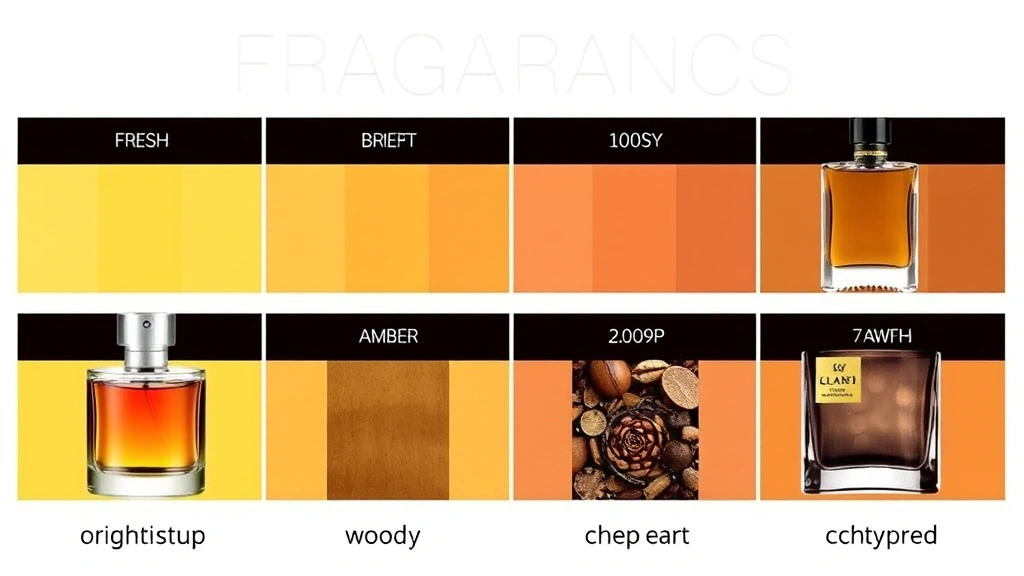
Fresh Fragrances are your everyday go-to scents. These include citrus, aromatic, and aquatic fragrances that feel bright and energizing. On my skin, fresh fragrances feel clean and crisp—they’re perfect for work, gym sessions, or casual outings. Think zesty lemon, ocean breeze, or crisp green notes. Brands like Bvlgari Colognes and Creed Cologne Near Me do fresh really well, giving you options from affordable to luxury.
Oriental Fragrances are the warm, sensual, and sometimes sweet side of perfumery. These scents have vanilla, amber, musk, and spice notes that feel luxurious and intimate. I find oriental fragrances work best in the evening or when you want to make an impression. They’re bold, they last forever on your skin, and they demand attention. If you like feeling wrapped in comfort, oriental is your family.
Woody Fragrances bring earth and depth with notes like sandalwood, cedar, vetiver, and oud. These feel grounded and sophisticated. On my skin, woody fragrances feel like putting on a quality leather jacket—timeless and a bit mysterious. They work year-round but especially shine in fall and winter. Brands like Clean Reserve Fragrance offer modern takes on woody scents that feel contemporary.
Chypre Fragrances sit in the middle ground with a structure of citrus top notes, floral heart, and woody base. These feel balanced and refined. I think of chypre as the sophisticated middle child—not too fresh, not too heavy. They work for professional settings and evening wear. Collections like Diptyque Fragrances showcase how elegant chypre can be.
How to Identify Your Family
Finding your fragrance family starts with paying attention to what you naturally gravitate toward. When you smell something and immediately feel happy, that’s your clue. I started by noticing which scents I kept coming back to on skin—which ones made me feel confident, which ones felt like me.
Here’s what I do: spend time testing fragrances from each family on your actual skin. Don’t just smell the paper strip. Let it sit for 10 minutes and see how it evolves. Fresh fragrances will feel light and energizing. Oriental scents will feel creamy and warm. Woody fragrances will feel grounded and dry. Chypre will feel balanced somewhere in the middle.
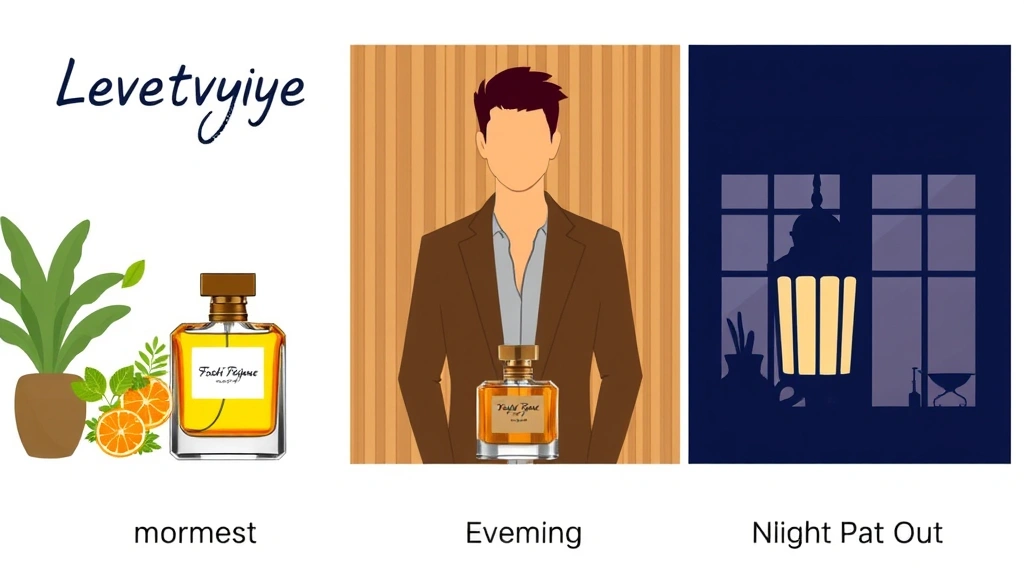
Think about your lifestyle too. If you’re always on the move and want something that doesn’t overwhelm a meeting, fresh is probably your main family. If you go out at night and want presence, oriental calls to you. If you want something versatile that works everywhere, woody or chypre might be your foundation. Most people actually love more than one family—I have a fresh daily fragrance and a woody evening fragrance, with an oriental for special occasions. Check out Bond No. 9 Fragrance if you want to explore some refined options across different families.
Building Your Fragrance Wardrobe
Once you know the families, you can actually build a wardrobe that covers your whole life. I don’t believe in the “one fragrance” thing anymore—that’s limiting. Instead, I think about having a fresh fragrance for work and everyday wear, a woody one for autumn and professional settings, an oriental for evening and weekends, and maybe a chypre for when I want something refined.
The beauty of understanding fragrance families is that you can mix and match without feeling lost. You know what you’re getting into. A fresh fragrance will feel totally different from an oriental, so they serve different purposes. I wear my fresh scent to the office, switch to woody when I head to dinner, and save my oriental for dates or special events.
This approach also saves money because you’re not buying random bottles hoping they work. You’re strategic. You know a citrus fresh fragrance will be lighter and shorter-lasting than an oriental, so you plan accordingly. You know a woody fragrance needs proper application to shine—check How to Make Fragrance Last Longer for tips on maximizing performance.
Start with one fragrance from each family that speaks to you. Don’t overthink it. One fresh, one woody, one oriental, one chypre if you’re interested. That gives you a solid foundation to explore and refine your taste over time. As you wear them and notice what actually makes you feel good, you’ll naturally discover your preferences within each family.
✅ Pros
- Makes choosing fragrances way less overwhelming and more intentional
- Helps you understand what you’re buying before you commit to a full bottle
- Lets you build a wardrobe that actually covers your whole life
- Saves money by eliminating random purchases you won’t wear
- Gives you vocabulary to describe what you want to salespeople or friends
- Makes it easier to find alternatives when your favorite is discontinued
❌ Cons
- Fragrance families are guidelines, not strict rules—some fragrances blur the lines
- Personal skin chemistry means the same family can smell different on different people
Matching Families to Your Personality
Fresh fragrance lovers are usually the energetic, optimistic types. You probably like being outdoors, you’re active, and you want something that doesn’t compete with your natural scent. Fresh fragrances enhance rather than overpower. If you describe yourself as clean-living or minimalist, fresh is probably calling to you. These are also great if you work in conservative environments where subtlety matters.
Oriental fragrance people tend to be bold and sensual. You’re not afraid of being noticed. You probably love textures, comfort, and richness—whether that’s in fashion, food, or yes, fragrance. Orientals are for people who like to make a statement. If you love the feeling of luxury and don’t mind being memorable, oriental families speak your language.
Woody fragrance enthusiasts are usually grounded and thoughtful. You probably appreciate craftsmanship and tradition. You like things that feel real and substantial. If you’re drawn to leather jackets, quality coffee, or vintage items, woody fragrances will resonate. They feel authentic in a way that appeals to people who value substance over flash.
Chypre lovers are the balanced, sophisticated types. You want elegance without being too obvious about it. You probably appreciate good design, refined taste, and things that work in multiple contexts. Chypre fragrances are for people who think quality beats quantity and who like being composed.
But here’s the thing—you don’t have to fit neatly into one category. I’m mostly fresh and woody, with occasional oriental moments. Understanding fragrance families gives you permission to explore without getting lost. You’re making informed choices instead of random ones.
💡 Pro Tip: Test fragrances on clean skin, not on paper strips, to see how they actually perform on you
Making Smart Choices Within Families
Now that you understand fragrance families, you can shop smarter. You know that all fresh fragrances won’t cost the same—some are affordable, some are luxury. Same with every family. Understanding the family tells you about the scent profile, but your budget determines which brand you choose.
Within fresh fragrances, you’ve got options at every price point. Within oriental, you can go from mainstream to niche. The family doesn’t dictate the cost—the brand and ingredients do. This is actually liberating because you can find your family match at whatever price feels right for you.
I also think about occasion when choosing within a family. A fresh fragrance for work might be different from a fresh fragrance for the beach. An oriental for a date is different from an oriental for a night out with friends. The family tells you the general vibe, but specific fragrances let you fine-tune.
One last thing—understand that fragrance families can overlap slightly. Some woody fragrances have fresh citrus tops. Some orientals have woody bases. Chypre by definition blends families. This isn’t confusing; it’s actually helpful. It means you can find fragrances that bridge your favorites. If you like fresh but want something slightly deeper, look for fresh-woody blends. Understanding families gives you the vocabulary to ask for exactly what you want, whether you’re shopping online or talking to someone at a counter. Make your choices count by learning fragrance primer techniques to apply your scents properly and maximize their impact.
❓ Frequently Asked Questions
What’s the difference between fragrance families and fragrance notes?
Fragrance notes are the individual scent ingredients—like lemon, vanilla, or sandalwood. Fragrance families are groups of perfumes that share similar characteristics based on their overall composition. Notes make up the fragrance; families categorize the fragrance. You need both concepts to really understand perfume.
Can a fragrance belong to multiple families?
Yes, many fragrances blend characteristics from different families. A fragrance might be primarily oriental but have woody notes. These hybrid fragrances are actually helpful because they let you explore the space between families. Chypre fragrances by definition combine citrus, floral, and woody elements.
Is one fragrance family better than another?
Not at all. Each family serves different purposes and appeals to different people. Fresh is perfect for everyday wear, oriental for evening presence, woody for sophistication, chypre for balanced elegance. The best family is the one that makes you feel like yourself.
How do I test fragrances from different families?
Test one fragrance per wrist and wait 10-15 minutes for it to develop on your skin. Don’t test more than 3-4 fragrances in one session or your nose gets fatigued. Spray on clean skin, not on clothing. Visit a store, get samples, or order discovery sets online to try before committing.
Can my favorite fragrance family change over time?
Absolutely. Your preferences evolve with age, lifestyle, and seasons. I loved fresh fragrances in my twenties and now split my time between woody and oriental. Your taste maturing doesn’t mean you were wrong before—it means you’re discovering new sides of yourself.
Should I own fragrances from all four families?
Not necessarily. Own what you’ll actually wear and enjoy. If you hate Oriental fragrances, don’t buy one just to be complete. I’d suggest having at least a fresh and one other family you love, but your collection should reflect your actual life and preferences.