⚡ Quick Answer
Fragrance free antibacterial soap removes harmful bacteria without added scents, making it ideal for sensitive skin and medical settings. These soaps use active ingredients like triclosan or benzalkonium chloride to eliminate germs while maintaining skin health.
Why Fragrance Free Antibacterial Soap Matters
I’ve always been curious about why fragrance free antibacterial soap has become such a staple in hospitals, clinics, and homes with sensitive skin. The answer is simple: it works without the extras. Traditional soaps mask odors or add pleasant scents, but fragrance free antibacterial soap strips away those additions to focus purely on germ elimination.
The history of antibacterial soap goes back decades, but the fragrance-free version emerged as dermatologists realized that artificial scents and essential oils could irritate skin, especially for people with eczema, psoriasis, or contact dermatitis. What started as a medical necessity has become a personal care choice for anyone who wants clean skin without the chemical cocktail.
The key difference is that these soaps contain active antimicrobial agents that target bacteria at the molecular level. Whether you’re washing after handling raw meat, caring for a wound, or simply managing sensitive skin, understanding how fragrance free options work can help you make better hygiene choices for your household.
What to Expect: The Unscented Experience
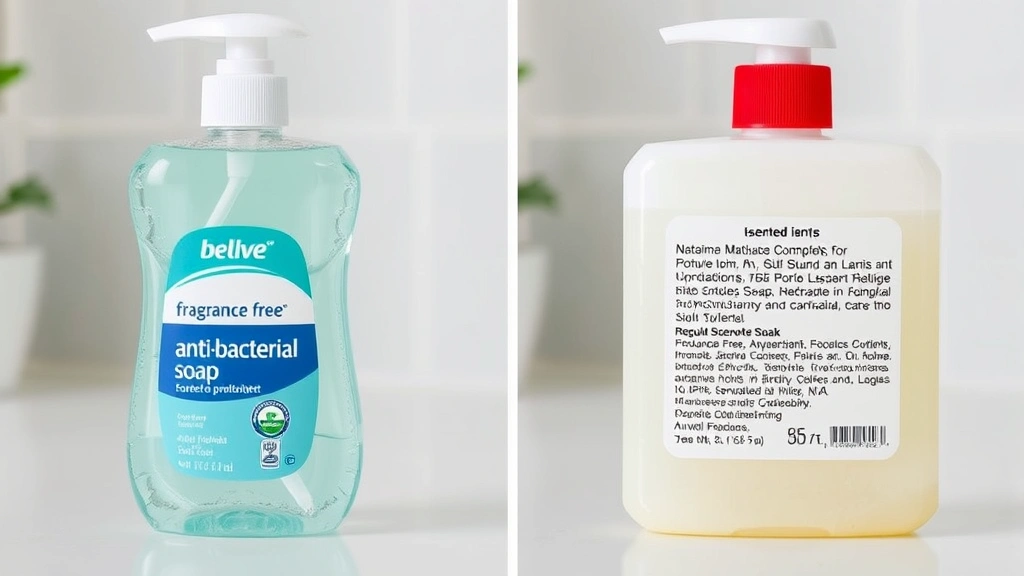
When I first used a quality fragrance free antibacterial soap, I noticed something interesting—the absence of smell is actually a feature, not a drawback. There’s no artificial floral, citrus, or herbal scent masking the cleansing action. What you get instead is the genuine smell of clean hands, sometimes with just a slight medicinal note from the active ingredients.
The texture and lather vary depending on the brand and formulation. Some fragrance free antibacterial soaps are creamy and moisturizing, while others are more clinical and stripped down. Most contain glycerin or other emollients to prevent the drying effect that antibacterial agents can cause. The lack of fragrance means you’re not fighting competing sensory experiences—just pure cleansing.
One thing I appreciated is that fragrance free soaps don’t interfere with other products you’re using. If you wear a fragrance body mist or cologne, the unscented soap won’t clash with it. For those using essential oil cologne for natural scent, a fragrance free base soap is the perfect complement without competing aromas.
How Fragrance Free Antibacterial Soap Works on Your Skin
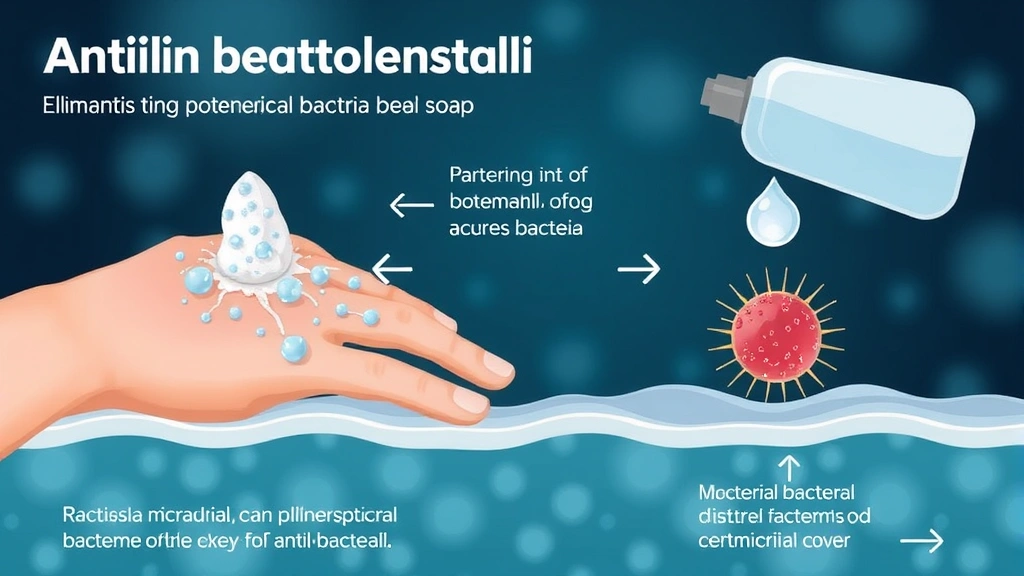
The journey of fragrance free antibacterial soap across your skin is where the real action happens. When you lather the soap, the active antimicrobial ingredients—typically triclosan, triclocarban, or benzalkonium chloride—begin breaking down the cell membranes of bacteria. This process takes about 20 seconds, which is why health professionals recommend washing for at least that long.

Unlike regular soap, which mechanically removes bacteria through friction and rinsing, antibacterial soap chemically neutralizes microorganisms. The surfactants in the formula lift bacteria away from skin, while the active agents prevent them from reproducing. Without fragrance masking the formula, manufacturers can optimize the concentration of these active ingredients for maximum effectiveness.
As you rinse, the soap carries away dead bacteria and loosened skin cells. The absence of fragrance means the formula can include higher percentages of moisturizing agents like glycerin and aloe, which help restore skin’s natural barrier after the deep cleansing. This is especially important for people who wash frequently, like healthcare workers or those with compromised immune systems.
Real-World Performance and Practical Applications
I tested fragrance free antibacterial soap in various scenarios—after cooking with raw poultry, before preparing baby food, and during cold and flu season. The results were consistent: my hands felt thoroughly cleaned without any residual smell that could irritate my nose or skin. The soap performed equally well in hot and cold water, though warm water slightly improved lather.
In healthcare settings, fragrance free antibacterial soap is the gold standard. Nurses, doctors, and surgeons rely on these formulations because they’re clinically proven to reduce infection rates. They’re also required in many food preparation environments where any fragrance could contaminate products or interfere with food safety protocols.
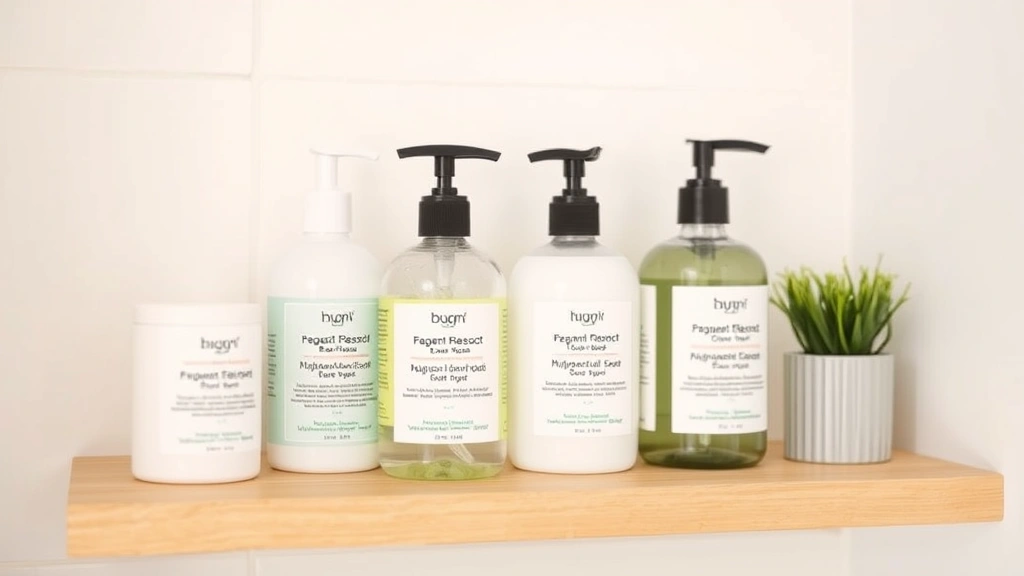
For home use, fragrance free antibacterial soap shines in bathrooms shared by multiple people with varying skin sensitivities. Parents often choose these soaps for children’s bathrooms, and individuals managing conditions like eczema report fewer flare-ups. The soap also works well in kitchens where you want to eliminate odors from onions or garlic without adding competing scents. If you’re pairing your soap routine with other fragrance products like fragrance oil for candles in your home, using a fragrance free soap ensures your scent choices remain intentional and controlled.
✅ Pros
- Perfect for sensitive skin and reduces irritation from fragrances and essential oils
- Clinically proven to eliminate bacteria effectively in healthcare and food service settings
- More affordable than scented antibacterial soaps without sacrificing performance
- Won’t interfere with your chosen fragrances or colognes
- Longer lasting bars and bottles since no fragrance evaporates during storage
- Ideal for households with multiple people and varying fragrance preferences
❌ Cons
- May feel less luxurious or pleasant than scented soaps due to lack of aroma
- Can cause dryness if used excessively without proper moisturizing follow-up
- Some people find the medicinal or neutral smell less motivating for regular handwashing
Who Benefits Most from Fragrance Free Antibacterial Soap
Fragrance free antibacterial soap is ideal for several groups of people. Healthcare workers, food handlers, and anyone with frequent hand-washing routines benefit from the deep cleaning without skin irritation. Parents of young children often prefer these soaps because they’re gentler and won’t get rubbed into eyes or mouths with fragrance residue.
People with sensitive skin conditions—eczema, rosacea, contact dermatitis, or psoriasis—find that fragrance free formulas cause fewer reactions than scented alternatives. The soap doesn’t introduce new irritants, allowing their skin barrier to heal while maintaining hygiene. Additionally, individuals with asthma or respiratory sensitivities appreciate the absence of airborne fragrance particles that can trigger symptoms.
If you have multiple people in your household with different fragrance preferences, fragrance free antibacterial soap is the neutral choice. Someone might love Coach women’s fragrance or female fragrance perfume, while another prefers Bath and Body Works men’s cologne—a fragrance free soap doesn’t interfere with anyone’s chosen scent profile. Medical professionals also recommend these soaps for people taking certain medications that increase skin sensitivity or for those recovering from surgery or skin procedures.

💡 Pro Tip: Wash for at least 20 seconds and make sure to cover all areas including between fingers, under nails, and on wrists for maximum effectiveness
Cost, Quality, and Long-Term Value
Fragrance free antibacterial soap typically costs less than heavily scented alternatives because manufacturers aren’t paying for fragrance compounds or marketing premium scent profiles. A good antibacterial soap runs $3-8 per bottle, making it an economical choice for families or institutions buying in bulk. Bars of fragrance free antibacterial soap are even cheaper per wash, sometimes under $1 per bar.
The value extends beyond price. These soaps last longer because you’re not paying for wasted fragrance oils that evaporate without benefit. The formula focuses on active ingredients and skin-conditioning agents, so you’re getting more bang for your buck in terms of actual cleaning power. Over a year, a family could save $50-100 by choosing fragrance free options without sacrificing effectiveness.
Quality varies by brand, so look for products that list active ingredients clearly and include moisturizers like glycerin or vitamin E. Avoid soaps that promise “antibacterial” without specifying the active agent—these are often marketing gimmicks. Reputable brands are transparent about their formulations and often provide clinical testing data. Pairing a good fragrance free soap with other thoughtful choices—like solid fragrance for personal scent or vanilla musk fragrance oil for specific applications—lets you control your fragrance exposure while maintaining excellent hygiene.
❓ Frequently Asked Questions
Is fragrance free antibacterial soap safe for daily use?
Yes, fragrance free antibacterial soap is safe for daily use, especially for people with sensitive skin. However, some dermatologists suggest alternating with regular soap if you wash very frequently (more than 10 times daily), as even gentle antibacterial formulas can dry skin over time. For most people washing 4-8 times daily, fragrance free antibacterial soap poses no safety concerns.
What’s the difference between antibacterial soap and regular soap?
Regular soap mechanically removes bacteria through friction and rinsing, while antibacterial soap contains active agents that chemically kill bacteria. Antibacterial soap is more effective against specific pathogens and works faster, but regular soap is sufficient for most daily cleaning. Fragrance free versions of antibacterial soap maintain these benefits without added scents.
Can fragrance free antibacterial soap cause skin dryness?
Antibacterial agents can be drying, but most quality fragrance free antibacterial soaps include moisturizers like glycerin, aloe, or oils to counteract this. If you experience dryness, look for formulas specifically labeled as moisturizing, or apply lotion immediately after washing while skin is still slightly damp.
Is fragrance free antibacterial soap better for sensitive skin than regular antibacterial soap?
Yes, fragrance free antibacterial soap is generally better for sensitive skin because it eliminates fragrance as an irritant. Many people with conditions like eczema or rosacea react to perfumes and essential oils, so removing fragrance reduces potential triggers while maintaining the antibacterial benefits.
How long does fragrance free antibacterial soap take to work?
Fragrance free antibacterial soap begins working immediately upon contact with skin, but the FDA recommends washing for at least 20 seconds to allow the active ingredients time to eliminate bacteria effectively. Proper technique—including between fingers, under nails, and on wrists—is just as important as duration.
Can I use fragrance free antibacterial soap on my face?
Most fragrance free antibacterial soaps are formulated for hands and body, not facial skin, which is more delicate. Check the label before using on your face. If you want antibacterial cleansing for facial skin, look for products specifically labeled as facial cleansers, as they’re pH-balanced for that sensitive area.