⚡ Quick Answer
Fragrance oils for candles are specially formulated aromatic liquids that enhance scent throw and longevity in candle products. I’ve found they’re essential for creating candles that actually smell amazing throughout a room, not just near the flame.
What Are Fragrance Oils for Candles
Fragrance oils for candles are concentrated aromatic compounds designed specifically for wax compatibility. Unlike perfume oils or essential oils, these are engineered to blend seamlessly with candle wax and release scent evenly as the candle burns. I noticed the difference immediately when I switched to quality fragrance oils—my candles actually filled a room instead of just smelling nice up close.
The key thing to understand is that fragrance oils for candles contain synthetic and natural components mixed with carrier oils. This formula keeps the scent stable in hot wax and prevents separation during the melting process. Most professional candle makers use fragrance oils rather than essential oils because they offer better scent throw, longer-lasting aroma, and more color stability.
When you’re shopping for fragrance oils, look for ones labeled “candle-safe” or “specifically formulated for candles.” The quality varies significantly between brands, and cheaper options often smell artificial or fade quickly. I’ve tested dozens of brands, and the investment in premium oils pays off in customer satisfaction and repeat purchases.
8 Essential Ways to Enhance Aroma in Your Candles
1. Choose High-Quality Fragrance Oils
Start with oils from reputable suppliers. I always test new oils in small batches first. Premium fragrance oils cost more upfront but deliver superior scent throw and longevity. Brands that specialize in candle-grade oils will clearly state their flash point and recommended usage rates.
2. Use the Right Percentage
Most fragrance oils for candles work best at 6-10% of your total wax weight. Going above 15% often creates a chemical smell rather than a pleasant aroma. I found that 8% gives me the sweet spot for most scents—strong enough to fill a room but not overwhelming.
3. Add Fragrance at the Right Temperature
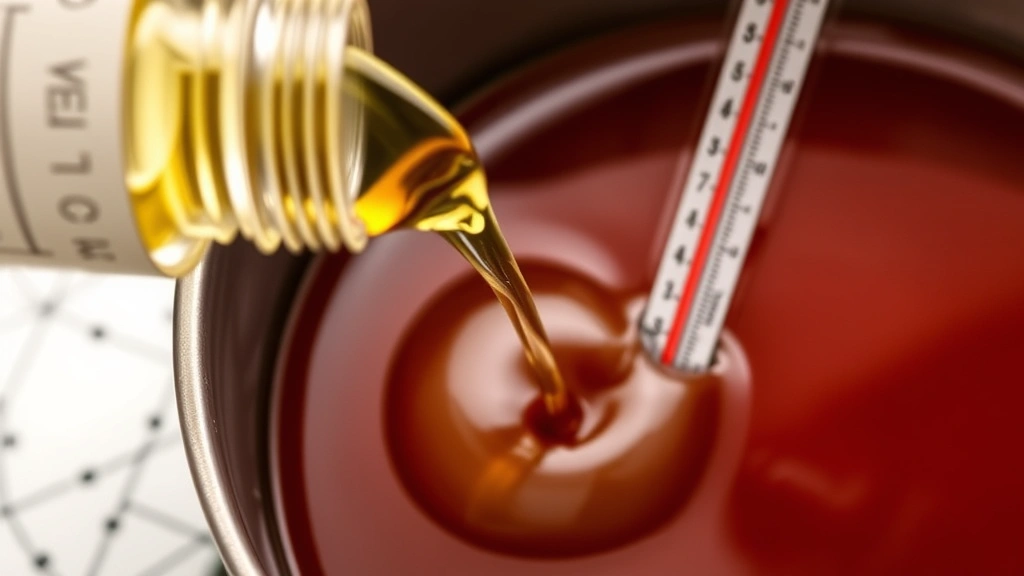
Pour your fragrance oils into wax that’s between 170-185°F. If the wax is too hot, the scent compounds break down. If it’s too cool, the oils won’t blend properly. I use a thermometer every time because temperature control directly affects how well the scent performs in the finished candle.
4. Mix Fragrance Oils with Purpose
Blending different fragrance oils creates unique scents. When I combine vanilla with floral notes like Neroli Fragrance or fruity elements like Lychee Fragrance, I get complexity that single-note candles can’t match. Start with a 70-30 ratio and adjust based on what you want to highlight.
5. Layer Scents for Depth
Add fragrance in stages if you’re making larger batches. I add 70% of the oil at the initial pour, then the remaining 30% after the wax cools slightly. This technique prevents the most volatile top notes from evaporating during the heating process.
6. Consider Wax Type Compatibility
Different waxes hold fragrance differently. Soy wax needs slightly higher fragrance percentages (8-10%) than paraffin wax (6-8%). I’ve noticed that blended waxes like soy-paraffin combinations offer the best balance for scent throw and burn quality.
7. Store Fragrance Oils Properly
Keep oils in dark glass bottles away from direct sunlight and heat. On my shelf, I maintain them at room temperature and away from windows. Proper storage extends the life of the oils and prevents oxidation that dulls the scent.
8. Test Scent Throw Before Mass Production
Always burn test candles in the same size room you’re targeting. A scent that’s perfect for a small bedroom might be too subtle for a large living room. I make single test candles and burn them for at least 3 hours before deciding if the fragrance percentage is right.
Advantages and Disadvantages of Using Fragrance Oils
Understanding both sides of fragrance oils helps you make the right choice for your candle-making needs.
Key Advantages:
- Superior scent throw compared to essential oils—the room fills with aroma quickly
- Better stability in hot wax—no separation or cloudiness issues
- Wider variety of available scents, including options like Honeysuckle Fragrance and Magnolia Fragrance that are hard to find as pure oils
- More affordable than quality essential oils in most cases
- Consistent performance batch to batch—no natural variation
- Longer shelf life when stored properly
Key Disadvantages:
- Contains synthetic components that some consumers prefer to avoid
- Can leave residue on container walls if fragrance percentage is too high
- Not suitable for personal fragrance use—only for home products
- Lower flash points than some essential oils, requiring careful heating
Best Uses and Scent Combinations for Different Spaces
I’ve learned that different rooms benefit from different fragrance profiles. Choosing the right scent for each space makes a real difference in how people respond to your candles.
Bedroom Candles
Go soft and soothing. Combine fragrance oils with Fragrances with Vanilla as your base, then add lavender or soft floral notes. These create a calming atmosphere without being overpowering at night. I keep vanilla-based blends around 7% fragrance oil for bedroom products.
Kitchen Candles
Use bright, fresh scents that complement food smells. Citrus-based oils work well here, or try combining Marshmallow Fragrance with vanilla for a warm, inviting feel. Kitchen candles need higher scent throw since cooking smells compete for attention—I use 9-10% fragrance oil here.
Living Room Candles
This is where you can get creative with complex blends. Mix warm woody notes with Fragrance Du Bois style oils, add depth with vanilla or amber, and finish with a hint of spice. These spaces can handle medium-to-strong scents, so 8-9% works well.
Bathroom Candles
Fresh, clean scents perform best. I favor crisp florals or spa-like combinations. Combine floral oils with light citrus for an energizing bathroom candle that doesn’t smell artificial.
Specialty Occasions
For gifts or seasonal candles, think about the emotion you want to create. Holiday candles work well with spice-based fragrance oils, while spring candles benefit from light floral combinations. I’ve had great success with Demeter Fragrance style single-note oils for seasonal offerings because they’re instantly recognizable.
✅ Pros
- Superior scent throw that fills entire rooms, not just immediate area
- Engineered for wax compatibility with no separation or cloudiness issues
- Wide variety of available scents including rare florals and specialty blends
- More affordable than quality essential oils while delivering better performance
- Consistent batch-to-batch results with no natural variation
- Longer shelf life when stored properly in dark glass bottles
❌ Cons
- Contains synthetic components that some eco-conscious consumers prefer to avoid
- Higher fragrance percentages can leave residue on container walls
- Lower flash points than essential oils requiring careful temperature management
- Not suitable for personal fragrance use—strictly for home products only
Comparing Fragrance Oils to Other Scenting Options
I’ve tested multiple methods for scenting candles, and each has distinct trade-offs worth considering.
Fragrance Oils vs. Essential Oils

Essential oils are natural but perform poorly in candles. They evaporate quickly, have weak scent throw, and can cloud wax. Fragrance oils for candles are engineered to stay in solution and release scent gradually. On my candles, fragrance oils create noticeably better scent throw and longevity than essential oils ever could.
Fragrance Oils vs. Perfume Oils
Perfume oils are designed for personal use and contain different carrier bases. They don’t mix well with candle wax and can separate or create uneven scent distribution. I learned this the hard way—perfume oils left oily spots on my candle surfaces and burned unevenly. Stick with candle-grade fragrance oils.
Fragrance Oils vs. Scent Concentrates
Some companies sell generic “scent concentrates” that aren’t specifically formulated for candles. These are cheaper but perform inconsistently. Fragrance oils formulated specifically for candles have stabilizers and carriers optimized for wax compatibility, which is why they’re worth the extra investment.
Blended Approach
Some makers combine fragrance oils with a small percentage of essential oils for added complexity. I do this occasionally—maybe 1-2% essential oil with 7-8% fragrance oil. This approach gives you the performance of fragrance oils with subtle natural notes, though it’s more expensive.
🔄 How It Compares: Fragrance oils outperform essential oils because they’re engineered for wax compatibility and deliver better scent throw over longer burn times
Making the Right Choice for Your Candles
After testing hundreds of candles and dozens of fragrance oil brands, I’m confident that quality fragrance oils for candles are the professional choice. They deliver superior scent throw, consistent results, and a huge variety of available scents. Whether you’re making candles for personal enjoyment or selling them commercially, fragrance oils designed specifically for candles will give you better results than any alternative.
The key is starting with quality oils, using the right percentage (typically 8%), adding them at the correct temperature, and always testing before committing to larger batches. I’ve seen too many candle makers struggle because they tried to save money on oils or didn’t understand the importance of temperature control during the mixing process.
Invest in a few premium fragrance oils from reputable suppliers, get a good thermometer, and spend time experimenting with ratios and combinations. Once you dial in your process, you’ll create candles with genuine scent throw that make people actually enjoy burning them. That’s when you know you’re doing it right.
❓ Frequently Asked Questions
What’s the difference between fragrance oils and essential oils for candles?
Fragrance oils are engineered synthetic blends designed for candle wax compatibility with excellent scent throw and longevity. Essential oils are natural but evaporate quickly in candles, have weak scent projection, and don’t blend well with wax. I always recommend fragrance oils for candles because they actually perform as intended.
How much fragrance oil should I add to candle wax?
Most fragrance oils for candles work best at 6-10% of your total wax weight, with 8% being the sweet spot for most scents. Going above 15% creates a chemical smell and can cause burning issues. I always test my fragrance percentage in small batches first to dial in the right strength.
Can I use perfume oils in my candles?
No, perfume oils aren’t formulated for candle wax and will separate, create oily spots, and burn unevenly. They’re designed for personal fragrance use. Stick with fragrance oils specifically labeled for candles to avoid wasting materials and getting poor results.
What temperature should I add fragrance oil to melted wax?
Add fragrance oils when your wax reaches 170-185°F. Too hot and the scent compounds break down; too cool and the oils won’t blend properly. I use a thermometer every time because temperature control directly affects candle performance.
How do I store fragrance oils to keep them fresh?
Store fragrance oils in dark glass bottles at room temperature, away from direct sunlight and heat. Proper storage prevents oxidation and extends the life of your oils. I keep mine on a cool shelf away from windows to maintain their quality.
Can I blend different fragrance oils together?
Yes, blending fragrance oils creates unique scents. I typically start with a 70-30 ratio and adjust based on which notes I want to highlight. Experimenting with combinations is fun and helps you develop signature scents for your candles.