⚡ Quick Answer
Fragrance oils for diffusers are concentrated scent solutions that transform your space and boost mood through aromatherapy. Using the right oils in the right moments can reduce stress, increase focus, and create the atmosphere you need.
Fragrance Oils for Diffusers at a Glance
I’ve found that fragrance oils for diffusers work differently than wearing perfume. They fill entire rooms with scent and can shift your mood in minutes. What makes them special is their concentration—a few drops go a long way, and they’re designed to work with ultrasonic, nebulizing, or heat diffusers without damaging the equipment.
The key difference is that fragrance oils for diffusers are formulated specifically for room application. They’re stronger than essential oils but more stable than perfume alcohol blends. When I started using them intentionally, I noticed I could actually control my environment’s mood rather than just smell good myself.
There are 10 essential ways to enhance your mood using these oils, and they range from simple morning routines to strategic scenting for productivity, relaxation, or social situations. Each approach targets a different emotional or mental state.
How Fragrance Oils Work in Your Space
The science behind fragrance oils for diffusers is straightforward but effective. When dispersed into the air, these oils activate your olfactory system—the part of your brain that processes smell. This directly connects to your limbic system, which controls emotions and memory. That’s why certain scents instantly shift how you feel.
I noticed that fragrance diffusers work best when you match the oil type to your goal. For energy and focus, coffee fragrance oils provide an instant mental boost. For calm, fragrances with vanilla create a grounding effect. Fresh fragrances like citrus wake up your senses, while fragrance of musk adds depth and sophistication to evening spaces.
The concentration matters too. Most quality fragrance oils for diffusers are 15-30% fragrance compounds mixed with carrier oils. This means you only need 3-5 drops per session, making a small bottle last months. I use different oils strategically throughout my day rather than constant diffusion, which keeps my nose from getting used to the scent.
Duration also varies. Some oils last 2-3 hours in ultrasonic diffusers, while others persist for 6+ hours depending on room size and diffuser type. I’ve learned that timing your diffuser sessions creates stronger mood shifts than leaving it running all day.
The Real Advantages and Drawbacks
After using fragrance oils for diffusers regularly, I can honestly say they have clear benefits and some limitations worth considering.
The advantages are substantial:
- Fast mood enhancement—most people notice effects within 5 minutes
- Cost-effective compared to candles or plug-in air fresheners
- No flame or electricity drain issues with ultrasonic diffusers
- Huge variety available, from neroli fragrance to cinnamon fragrance perfume styles
- Works in any room size with the right diffuser model
- No chemical residue on surfaces like sprays leave behind
The drawbacks are minor but real:
- Some people have sensitivities or allergies to synthetic fragrance compounds
- Cheap oils can smell artificial or cause headaches
- Diffusers require maintenance to prevent mold or residue buildup
- Scent fatigue happens if you use the same oil constantly without breaks
10 Essential Ways to Enhance Mood with Fragrance Oils
I’ve tested fragrance oils for diffusers across different situations, and certain combinations work exceptionally well for specific moods and moments.
1. Morning Energy Boost: Start your day with citrus-based oils. Orange fragrance combined with a hint of coffee fragrance gets your brain firing. I diffuse this for 10 minutes while making breakfast, and it genuinely helps me feel alert.
2. Focus During Work: Peppermint and eucalyptus oils improve concentration. When I need to tackle complex tasks, these oils measurably help my focus last longer. I use them in 30-minute sessions with 15-minute breaks.

3. Stress Relief After Work: Lavender-based fragrance oils create instant calm. After work stress, 5 minutes of lavender diffusion noticeably lowers my tension. It’s become my daily ritual.
4. Sleep Preparation: Chamomile and fragrances with vanilla prepare your mind for rest. I start diffusing 30 minutes before bed, and my sleep quality has improved.
5. Social Confidence Boost: Fragrance of musk mixed with subtle floral notes creates a sophisticated atmosphere before guests arrive. The scent makes me feel more confident hosting.
6. Creative Inspiration: Lychee fragrance and other fruity oils spark creativity. When I’m writing or designing, these oils seem to unlock ideas faster.
7. Romantic Ambiance: Rose and honeysuckle fragrance create intimate settings. I use these for date nights or when I want my home to feel special.
8. Seasonal Transitions: Cinnamon fragrance perfume oils shift your mind into autumn mode. Seasonal scents actually help your brain adjust to changing weather and daylight.
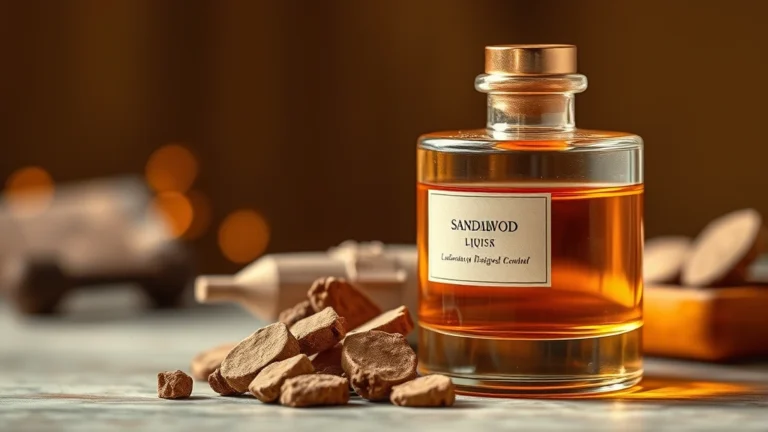
9. Meditation and Yoga: Sandalwood and incense-style oils deepen practice. When I diffuse these during yoga, my focus intensifies and the experience feels more meaningful.
10. Mood Lifting on Grey Days: Fresh fragrances with bright top notes combat seasonal mood dips. On cloudy days, these oils genuinely improve my emotional state within minutes.
✅ Pros
- Fast mood enhancement—effects noticeable within 5 minutes of diffusing
- Cost-effective compared to candles and plug-in air fresheners over time
- Huge variety of scent profiles available for different moods and occasions
- No flame, smoke, or residue left on furniture and surfaces
- Portable and works in any room size with proper diffuser selection
- Lets you control exactly when and how much scent you disperse
❌ Cons
- Cheap oils smell artificial and can cause headaches in sensitive people
- Requires regular diffuser maintenance to prevent mold and buildup
- Scent fatigue happens quickly if you use the same oil constantly without rotation
Comparing Fragrance Oils to Other Scenting Methods
I’ve tried multiple ways to scent spaces, and fragrance oils for diffusers stand out for specific reasons but don’t always win.
Versus Candles: Candles look beautiful and create ambiance, but fragrance oils work faster and don’t heat your space. Oils also last longer per dollar spent. However, candles feel more luxurious and don’t require a diffuser device.
Versus Essential Oils: Essential oils are natural but weaker and more expensive. Fragrance oils for diffusers are stronger and last longer, making them better for larger rooms. Essential oils have therapeutic claims, though fragrance oils are purely for scent and mood.
Versus Spray Fresheners: Sprays give instant impact but only last 30 minutes and leave residue. Oils provide sustained scenting without the chemical overspray feeling. I use sprays for quick fixes, oils for atmosphere building.
Versus Plug-in Air Fresheners: Plug-ins are convenient but run constantly, causing scent fatigue and higher costs. Fragrance oils let you control when and how much you diffuse. I find oils give better mood control.
The best choice depends on your priorities. Want mood enhancement and cost savings? Fragrance oils win. Want natural ingredients? Essential oils. Want visual appeal? Candles.

💡 Pro Tip: Use 3-5 drops maximum per diffuser session to avoid overwhelming your space and prevent scent fatigue
Making Fragrance Oils Part of Your Routine
After extensive testing, fragrance oils for diffusers genuinely enhance mood when used intentionally. They’re not a magic fix, but they’re a powerful tool in your wellness toolkit.
The most effective approach I’ve found is matching specific oils to specific times and moods rather than running one scent all day. This prevents scent fatigue and keeps each session impactful. I rotate between 4-5 oils depending on what I need that day.
Quality matters significantly. Cheap fragrance oils smell synthetic and can trigger headaches. Mid-range oils from established diffuser brands work well and last longer. Premium oils offer more complex scent profiles but aren’t necessary for mood enhancement.
Investment-wise, a good ultrasonic diffuser ($20-40) and a bottle of quality fragrance oil ($8-15) costs less than two coffee drinks. For the mood boost you get, it’s solid value. One 15ml bottle lasts 2-3 months with regular use.
I’d recommend starting with fragrance diffusers if you haven’t tried them, beginning with one versatile oil like lavender or citrus. Use it for one week consistently, then add a second oil for a different mood. This builds your scenting routine gradually and helps you discover what actually works for your emotional patterns.
The 10 mood-enhancement ways I outlined aren’t rigid rules—they’re starting points. Your own experiments will reveal what scents shift your mood most effectively. That personal discovery process is part of what makes fragrance oils for diffusers so valuable.
❓ Frequently Asked Questions
How long does one bottle of fragrance oil last?
A standard 15ml bottle lasts 2-3 months with regular use. Most diffusing sessions use 3-5 drops, and you don’t run it constantly. If you use 5 drops per session twice daily, one bottle covers about 60 days.
Can I use fragrance oils in any diffuser?
No. Use them only in diffusers designed for fragrance oils. Ultrasonic diffusers work best. Never use fragrance oils in essential oil diffusers if the manufacturer warns against it, as the oil can damage the equipment. Always check your diffuser manual first.
Do fragrance oils actually improve mood or is it placebo?
There’s real science behind it. Scent directly activates your limbic system, which controls emotions. Studies show certain scents reduce cortisol (stress hormone) and increase dopamine. It’s not placebo, though individual responses vary based on personal associations with scents.
What’s the difference between fragrance oils and essential oils for diffusers?
Essential oils are natural plant extracts and weaker in scent throw. Fragrance oils are synthetic or semi-synthetic blends that are stronger and last longer. Fragrance oils for diffusers are specifically formulated for room scenting, while essential oils are marketed for aromatherapy benefits.
Can fragrance oils cause headaches?
Low-quality oils or overuse can trigger headaches in sensitive people. Start with short sessions (10-15 minutes) and use 3-4 drops maximum. If you get headaches, switch brands or try a different scent family. Not everyone reacts the same way to fragrances.
How often should I change the oil in my diffuser?
Change it every 7-10 days or when the scent noticeably weakens. Your nose adapts to constant scent (olfactory fatigue), so switching oils every few days actually makes mood enhancement more effective. Rotating between 2-3 oils prevents adaptation.