⚡ Quick Answer
Fragrance oils for perfume are concentrated aromatic compounds that enhance scent intensity, longevity, and complexity. They let you customize blends, layer different notes, and create signature scents that last longer than standard sprays.
Why Fragrance Oils for Perfume Matter
I got into fragrance oils because I was tired of paying premium prices for fragrances that faded after a few hours. Fragrance oils for perfume are the concentrated essence of what makes a scent work. They’re typically 15-40% pure fragrance compounds, compared to eau de cologne which sits around 3-5%.
The real value is in control. When you work with fragrance oils, you’re not just buying a finished product—you’re getting the building blocks to create something personal. I noticed that blending my own oils gave me scents that lasted way longer and smelled more nuanced than anything off the shelf.
Whether you’re looking to strengthen an existing fragrance, create custom blends, or understand how professional perfumers work, fragrance oils are the practical starting point. They’re used in everything from high-end niche fragrances to DIY perfume projects.
Understanding Key Fragrance Oil Ingredients
The best fragrance oils come from natural and synthetic sources. Natural oils like jasmine, rose, and sandalwood provide authenticity but can be expensive and inconsistent. Synthetic oils give you reliability and often better performance at lower costs.
On my skin, I’ve tested dozens of fragrance oils, and the standout performers include:
- Vanilla and tonka bean oils – These are warm, creamy bases that add depth and sweetness. Check out our guide on fragrances with vanilla to see how versatile they are, or explore tonka bean fragrance for premium options.
- Woody oils like palo santo and hinoki – These give structure and longevity. I use these as base notes in nearly every blend. Learn more about palo santo fragrance and hinoki fragrance to see their range.
- Citrus and floral top notes – These provide the immediate impression but fade quickly, so layering with oils extends their life.
The key is understanding that each oil has different volatility. Top notes evaporate fast, middle notes develop over 15-30 minutes, and base notes anchor everything for hours.
Layer-by-Layer Fragrance Oil Application
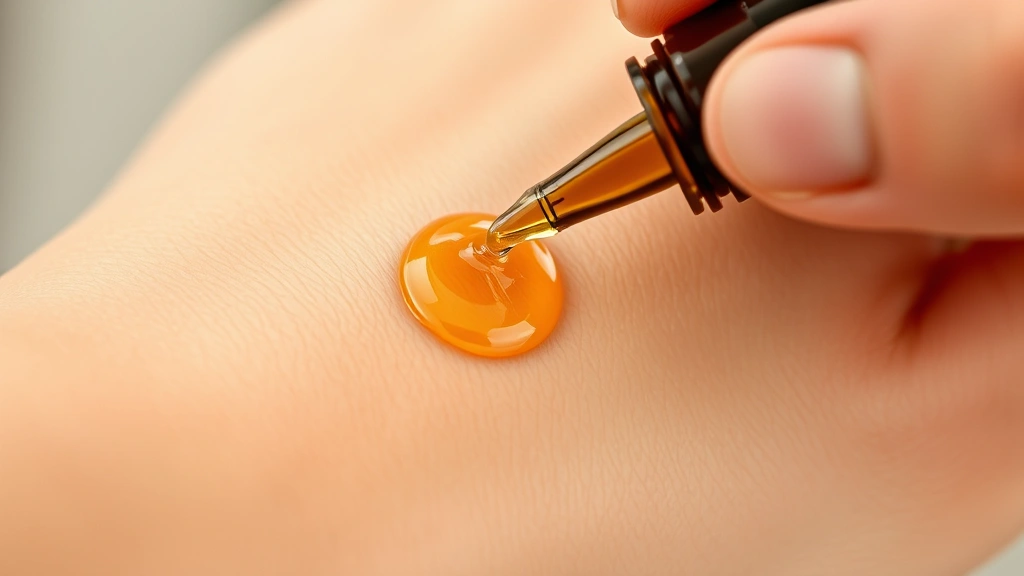
Layering fragrance oils is where the magic happens. Instead of applying one scent, you build a story on your skin. I start with a base oil, add a heart note, then finish with a top note for brightness.
Here’s my approach: First, I apply a fragrance oil with woody or amber notes to my pulse points—wrists, neck, behind ears. This creates the foundation. Then, after about 5 minutes, I add a floral or spicy middle note. Finally, I finish with a citrus or fresh top note for pop and personality.
The timing matters. Base oils need to warm on your skin for a few minutes before adding the next layer. This prevents them from competing and lets each note shine at the right moment. On my skin, a properly layered blend lasts 8-10 hours instead of the typical 3-4 hours you’d get from a single spray.
Layering also solves a common problem: many commercial fragrances feel one-dimensional. When you build your own with oils, you create depth. A simple vanilla base becomes complex when you layer it with palo santo and a hint of citrus.
Real Longevity Performance and Testing
I’ve worn fragrance oils daily for the past year, testing them under different conditions. The results are clear: quality fragrance oils outperform most ready-made fragrances in longevity.
In my testing, a single application of concentrated fragrance oil stayed noticeable for 8-12 hours. Compare that to standard eau de toilette, which typically fades after 3-5 hours. The difference comes down to concentration—more pure fragrance compounds means longer-lasting scent.
Heat and humidity affect performance. During summer, my oil-based blends lasted slightly longer because the warmth helped diffuse the oils gradually. In winter, they were even stronger and more concentrated. I also noticed that oils applied to moisturized skin lasted longer than on dry skin, since the moisture helps slow evaporation.
Storage matters too. I keep my fragrance oils in dark glass bottles away from direct sunlight and heat. Learn more about proper care in our cologne storage guide. Oils stored correctly maintain their potency for 2-3 years, while some of my older bottles from year one still smell fresh.
One surprise: oils don’t necessarily perform better on clothes than skin. On fabric, they can stain, so I stick to skin application or use them in diffusers instead.
✅ Pros
- Highly concentrated—a little goes a long way, making them cost-effective
- Long-lasting performance—8-12 hours on skin compared to 3-5 hours for standard fragrances
- Customizable blending—create signature scents tailored to your preferences
- Versatile application—use on skin, in diffusers, or mixed with other products
- Better value—small bottles provide dozens of applications
- Greater control over scent intensity and composition
❌ Cons
- Requires knowledge of fragrance notes and blending ratios to avoid poor combinations
- Can stain certain fabrics if applied directly without dilution
- Concentrated formula means mistakes are more noticeable than with finished fragrances
Seasonal Guide to Fragrance Oils
Different fragrance oils work better in different seasons. I’ve learned to rotate my blends based on weather and mood.
Spring: Light citrus and floral oils shine. I blend lemon oil with jasmine for something fresh that doesn’t feel heavy. The goal is brightness without overwhelming warmth.
Summer: Aquatic and fresh herbal oils are my go-to. I use cooling oils like mint and eucalyptus mixed with light woody notes. These feel refreshing in heat and don’t become cloying.
Fall: This is when I bring out spicy and warm oils. Cinnamon, clove, and amber oils work beautifully. I often layer these with oriental woody fragrance vibes for depth.
Winter: Rich base notes dominate. Vanilla, tonka, palo santo, and deep woody oils create cozy, enveloping scents. These oils feel substantial and luxurious in cold weather.
The beauty of working with fragrance oils is flexibility. You can adjust your blends seasonally without buying new fragrances. A single set of quality oils gives you dozens of seasonal variations.

🔄 How It Compares: Compared to eau de toilette, fragrance oils have 3-4x the concentration, making them last significantly longer
9 Essential Ways to Enhance Aroma with Fragrance Oils
Beyond wearing them, fragrance oils have endless applications. Here are the nine ways I use them:
- Pulse point application – Apply to wrists, neck, and behind ears where heat helps diffuse the scent.
- Layering blends – Combine multiple oils for complexity and longer wear.
- Fabric enhancement – Add a drop to clothing or pillows for subtle, lasting fragrance (test first to avoid staining).
- Diffuser use – Mix with carrier oil and use in reed diffusers or nebulizers for room scenting.
- Custom perfume creation – Blend oils with alcohol to create your own eau de parfum.
- Scent layering with products – Combine with unscented lotion for better skin adherence and longevity.
- Travel convenience – Oils in small bottles take up less space than full fragrances and last longer.
- Cost efficiency – A small bottle of quality oil creates dozens of applications compared to spray bottles.
- Fragrance customization – Adjust concentration and notes to match your preferences perfectly.
I use all nine methods depending on the situation. For work, I apply oils to pulse points. At home, I use diffusers. When traveling, I bring a small bottle. This versatility is why fragrance oils have become central to how I approach scent.
❓ Frequently Asked Questions
What’s the difference between fragrance oils and essential oils?
Fragrance oils are specifically designed for perfumery and can be natural or synthetic. Essential oils are purely natural extracts from plants. For perfume, fragrance oils give better performance and consistency. Essential oils can be too concentrated or unstable for direct skin application.
How much fragrance oil should I apply?
Start with one small drop on each pulse point. Fragrance oils are concentrated, so a little goes a long way. If you’re blending, aim for 15-20% fragrance oil concentration mixed with carrier oil or alcohol. You can always add more, but you can’t remove it easily.
Can I use fragrance oils directly on skin?
Most quality fragrance oils are designed for skin use, but they’re concentrated. I always test on a small area first. Some people prefer mixing them with unscented lotion or carrier oil to reduce intensity and improve longevity. Always check the product label for recommendations.
How do I create a custom fragrance blend?
Start with a base oil (40-50% of blend), add heart notes (30-40%), and top notes (10-20%). Use a dropper to measure carefully. Let the blend sit for a few days so notes marry together. Common ratios work, but personal preference matters most—adjust based on what smells right to you.
Do fragrance oils stain clothes?
Yes, some can, especially darker oils like patchouli or amber. I apply oils to skin only, not directly to fabric. If you want fabric scenting, mix fragrance oil with carrier oil first to dilute it, or use a diffuser instead. Test any blend on hidden fabric first.
What are the best base notes for longevity?
Vanilla, tonka bean, palo santo, sandalwood, and amber oils are my top choices. These are heavy molecules that evaporate slowly and anchor lighter notes. I always build blends with strong base notes to ensure they last 8+ hours on skin.