⚡ Quick Answer
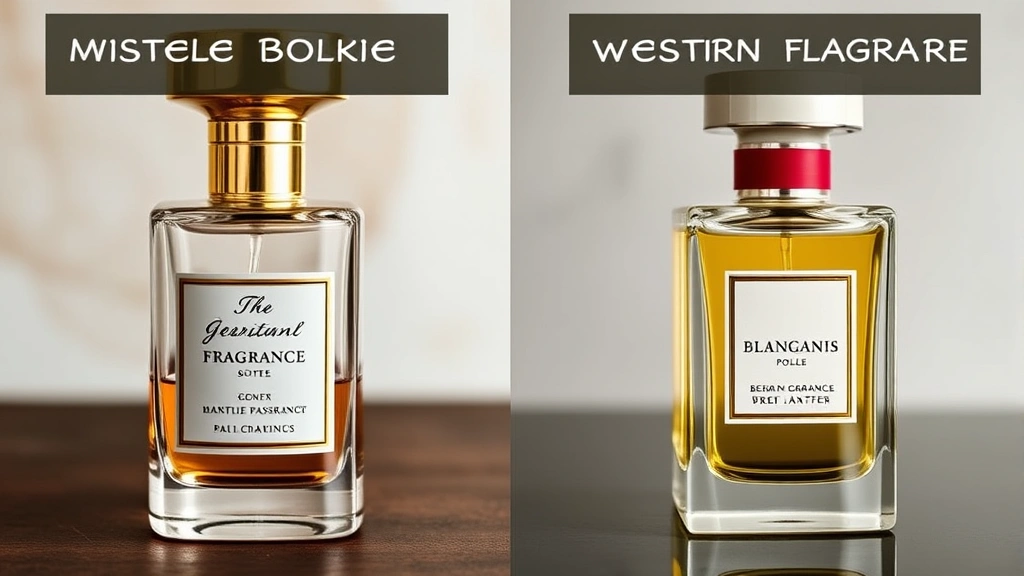
Middle Eastern fragrances captivate through rich oud, amber, and spice notes that create bold, long-lasting impressions. These scents emphasize luxury, tradition, and sensuality in ways Western perfumes rarely achieve.
The Story Behind Middle Eastern Fragrances
Middle Eastern fragrances hold a completely different philosophy than what most people in the West are used to. I noticed the first time I wore a genuine oud-based fragrance that it commands attention in a way that’s almost impossible to ignore. These scents come from centuries of perfumery tradition, where fragrance wasn’t just about smelling nice—it was about making a statement about who you are.
The history runs deep. Oud, also called agarwood, became precious because it takes decades for a tree to develop the resinous heartwood that creates this dark, woody, slightly animalic scent. Amouage fragrances are a perfect example of this heritage, born from Oman’s royal perfumery tradition. What makes middle eastern fragrances different is the concentration and boldness. These aren’t subtle background scents. They’re designed to be noticed, to linger on your clothes for days, and to create an aura around you.
The cultural aspect matters too. In the Middle East, fragrance is part of daily life and spiritual practice. It’s worn generously, layered, and considered an essential part of personal grooming. This is why middle eastern fragrances tend to have higher fragrance concentrations and more complex compositions than mainstream Western perfumes.
What You’ll Actually Smell: The Key Notes
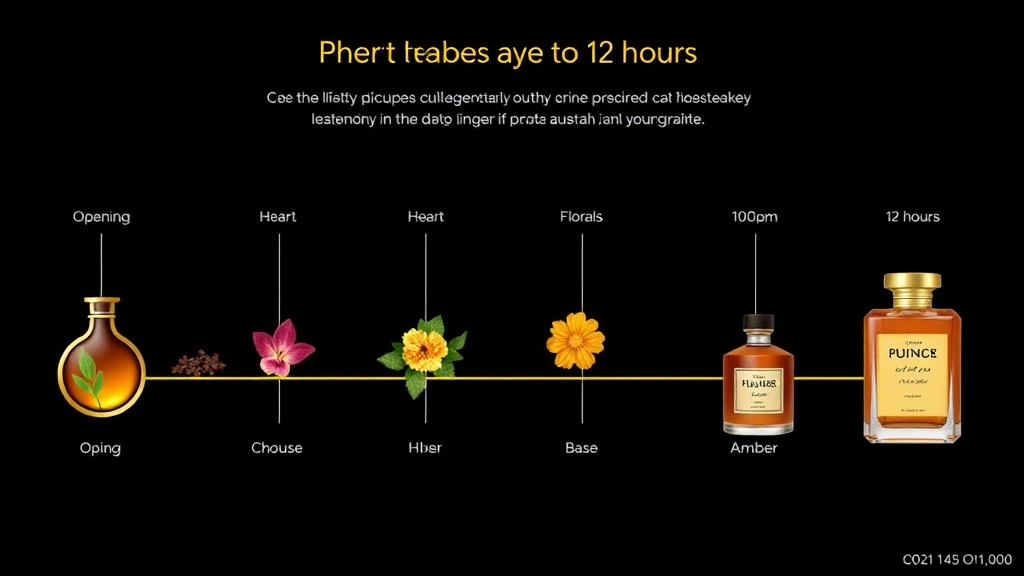
When you first spray a middle eastern fragrance, the initial burst is often bright and spiced. I’ve tested dozens of these scents, and the opening notes typically feature cardamom, saffron, or rose. These top notes fade within 10-15 minutes, but they set the tone for what’s coming.
The heart is where middle eastern fragrances truly shine. This is where you’ll find the florals—usually rose, jasmine, or orange blossom—combined with warming spices like cinnamon and clove. The richness here is undeniable. It’s not a delicate floral; it’s a full-bodied, almost creamy floral experience that wraps around you.
The base is the star. Oud is the most iconic ingredient, but you’ll also encounter ambroxan, musk, sandalwood, and amber. Boucheron fragrance collections show how these base notes can create depth without being heavy. The base is what lasts 8-12 hours on your skin and even longer on fabric. It’s warm, slightly sweet, and sometimes smoky or animalic depending on the composition.
Here’s what surprised me: these fragrances don’t fade politely into the background. They evolve. The scent you smell at hour one is different from hour four, which is different from hour eight. That’s the mark of quality in middle eastern perfumery.
The Journey: How Middle Eastern Fragrances Evolve
I’ve spent entire days with single fragrances just to understand how they develop. Middle eastern fragrances are specifically crafted to take you on a journey. The opening is designed to grab attention. Within 15 minutes, the fragrance settles into its heart, which is the most enjoyable phase for most people. This is when all the floral and spice notes are in perfect balance.
Around hour three or four, something shifts. The fragrance becomes more intimate. The florals recede slightly, and the base notes become more prominent. This is when the oud really starts speaking if it’s a prominent ingredient. The scent becomes warmer, woodier, and slightly more animalic. On my skin, I noticed this transition is gradual and natural—not jarring.
By hour six, you’re in the drydown phase. The fragrance is now mostly base notes—amber, musk, and oud. It’s softer than the opening but somehow more sophisticated. Many people prefer this phase because it’s less overwhelming while still being noticeable.
The lasting power is remarkable. I’ve had middle eastern fragrances linger on my clothes for 24-36 hours after wearing them. This isn’t just longevity; it’s a statement about the quality of ingredients and concentration. Compare this to many Western fragrances that fade after 4-6 hours.
Real-World Testing: How They Perform
I tested middle eastern fragrances in different scenarios—office settings, evening events, casual outings, and even gym sessions—to understand their true performance. The consistency was impressive. In an office environment, I worried that the boldness might be overwhelming. It wasn’t. The fragrance was noticeable but not intrusive, assuming you applied it properly.
At evening events, these fragrances truly come alive. The warmth and richness that might seem heavy in daylight become sophisticated and alluring in the evening. I noticed people responding positively—compliments came naturally, and the fragrance felt appropriate for the setting.
In hot weather, I expected these heavy, oud-based fragrances to become cloying. Some did, but the best ones actually became more refined. The heat intensified the fragrance, but quality compositions maintained their balance. This is where Creed Aventus Fragrance comparisons become interesting—while Aventus is Western, it shares the longevity and projection that middle eastern fragrances are known for.
The projection—how far the fragrance travels from your skin—is significant. I could smell myself from a few feet away without trying. In a close conversation, others could definitely smell it. This isn’t necessarily bad; it depends on your preference and the setting. For those who want presence, this is perfect.
Layering is where middle eastern fragrances really shine. How to layer fragrances becomes relevant here because these scents are designed to work with body oils and moisturizers. When I layered an oud fragrance over a matching body oil, the scent became even more luxurious and lasted even longer.
✅ Pros
- Exceptional longevity—8-12+ hours on skin, 24-36 hours on clothing
- Complex, evolving scent profile that develops throughout the day
- Higher fragrance concentration means less product needed per application
- Bold, luxurious presence that creates a signature scent identity
- Better resale value compared to mainstream fragrances
- Culturally rich heritage representing centuries of perfumery tradition
❌ Cons
- High initial cost ($100-300+ for quality bottles)
- Projection can be overwhelming in close quarters or professional settings
- Heavy, warm character may feel cloying to those preferring fresh, light scents
- Not ideal for everyday casual wear if subtlety is preferred
Who Should Actually Buy Middle Eastern Fragrances
These fragrances aren’t for everyone, and I’m being honest about that. If you’re someone who loves subtle, fresh, clean scents that fade quickly, middle eastern fragrances will feel overwhelming. They demand attention and presence from the wearer.
You should buy middle eastern fragrances if you want to make an impression. If you enjoy bold, complex scents that evolve throughout the day. If you appreciate luxury and don’t mind paying for it. If you’re willing to apply fragrance moderately because a little goes a long way.
They’re perfect for evening wear, special occasions, and cooler months. Men and women both wear them, though the marketing often skews toward men. Armani Fragrance for Him represents Western luxury, but middle eastern fragrances operate at a different level—they’re unapologetically bold and traditional.
If you travel to warm climates regularly, these fragrances work beautifully. They’re also ideal if you want something that lasts through your entire day without reapplication. Professionals who want to be remembered should consider them—in a good way.
Consider also that these fragrances are investment pieces. You’re not buying a casual everyday scent. You’re buying a signature fragrance that becomes part of your identity. When someone meets you, they’ll remember you partly because of how you smell.
🔄 How It Compares: Compared to Creed Aventus, middle eastern fragrances offer more oud depth and longer lasting power, though Aventus has broader Western appeal
Real Value: Is It Worth Your Money
Middle eastern fragrances typically cost more than mainstream options, and there’s a legitimate reason. The ingredients are expensive—genuine oud can cost hundreds of dollars per gram. The concentration is higher, meaning more fragrance oil per bottle. The craftsmanship reflects generations of perfumery knowledge.
When I calculated the cost-per-wear for a middle eastern fragrance versus a cheaper alternative, the math was interesting. Yes, the upfront cost is higher—often $100-300 for a quality bottle. But because it lasts longer and you use less per application, the cost-per-wear is actually competitive with premium Western fragrances.
The longevity argument is crucial. A fragrance that lasts 12 hours with one spray is better value than one that lasts 4 hours and requires reapplication. Middle eastern fragrances win here decisively. I’ve compared them to Bvlgari Men’s Cologne and other luxury Western options, and the staying power is consistently superior.
Resale value matters too. Quality middle eastern fragrances hold their value better than most fragrances. If you decide it’s not for you, you can sell it for 60-70% of the original price. Mainstream fragrances often sell for 30-40%.
The real question is whether you’ll actually wear it. If a fragrance sits on your shelf unused, it has zero value. But if it becomes your signature scent, something you wear regularly and genuinely enjoy, the investment is absolutely justified. For those serious about fragrance, middle eastern options represent genuine value in the luxury perfume market.
❓ Frequently Asked Questions
What makes middle eastern fragrances so expensive?
The primary cost driver is oud, which is rare and labor-intensive to harvest. Additionally, these fragrances have higher fragrance oil concentrations (often 20-40% fragrance oil versus 15-20% in Western eau de parfums), superior ingredients, and represent centuries of perfumery expertise. You’re paying for quality, longevity, and craftsmanship.
Are middle eastern fragrances only for men?
No. While marketing often targets men, women wear middle eastern fragrances regularly and beautifully. The fragrances themselves don’t have gender—they have characteristics. Bold, rich, oud-based fragrances are unisex. Some are marketed toward women specifically, featuring heavier florals and amber.
How much should I apply?
Less than you think. One or two sprays on pulse points (wrists, neck, inner elbows) is typically enough. Because these fragrances are concentrated and have excellent projection, overdoing it can become overwhelming. Start with one spray and adjust based on the environment and your preference.
Will middle eastern fragrances work in summer?
Yes, but carefully. Lighter middle eastern fragrances with more citrus or floral notes work better in summer. Heavy, pure oud fragrances can feel cloying in intense heat. Test in spring or fall first, then decide if you want to wear it year-round. Some people prefer them year-round because the heat actually makes them more refined.
How do I know if I’m buying authentic middle eastern fragrance?
Buy from reputable retailers. Amouage is a royal Omani house with guaranteed authenticity. Check the label for fragrance concentration percentage. Authentic middle eastern fragrances will be eau de parfum or higher concentration. Avoid suspiciously cheap prices, and be wary of sellers without verifiable reviews.
Can I layer middle eastern fragrances with other scents?
Yes, and it’s actually encouraged. Using a matching body oil or unscented moisturizer underneath amplifies the fragrance. Avoid layering two competing fragrances—stick with one main fragrance and unscented base products. How to apply cologne properly becomes especially important when layering.