⚡ Quick Answer
Natural cologne for men combines botanical ingredients, essential oils, and minimal synthetics to create authentic fragrances that smell fresh and clean. The best approach is finding brands like Abel, Demeter, or Creed that prioritize natural components while maintaining longevity and projection.
What Makes Natural Cologne for Men Different
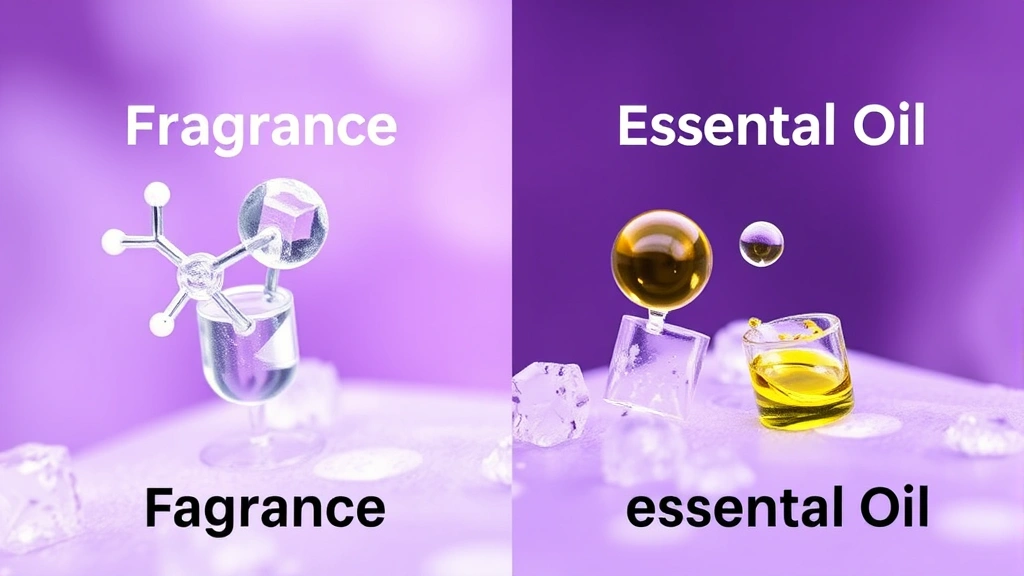
I’ve tested enough fragrances to know that natural cologne for men stands apart from conventional options. The key difference is the source of ingredients—natural colognes rely on essential oils, absolutes, and plant extracts rather than synthetic aroma chemicals. When you spray a natural cologne, you’re getting the real thing: bergamot from actual citrus, vetiver from genuine grass roots, and cedarwood from actual wood.
The immediate impact feels cleaner and more transparent. There’s no chemical harshness that some synthetics carry. On my skin, natural colognes tend to smell like they belong there rather than sitting on top of my skin like a fragrant layer. The opening is usually brighter and more straightforward—what you smell in the first five minutes is honestly what the fragrance is about.
This doesn’t mean natural colognes are weaker or less impressive. Brands like Creed Cologne Green Irish Tweed prove that natural ingredients can deliver serious performance and sophistication. The real challenge is finding products that balance authenticity with longevity, since natural materials behave differently than their synthetic counterparts.
Understanding Natural Fragrance Notes
Natural colognes work with the same note structure as conventional fragrances—top, heart, and base notes—but the ingredients are sourced differently. Top notes in natural formulations typically come from essential oils like lemon, grapefruit, lavender, and peppermint. These volatile oils create that initial burst you experience in the first 10-15 minutes.
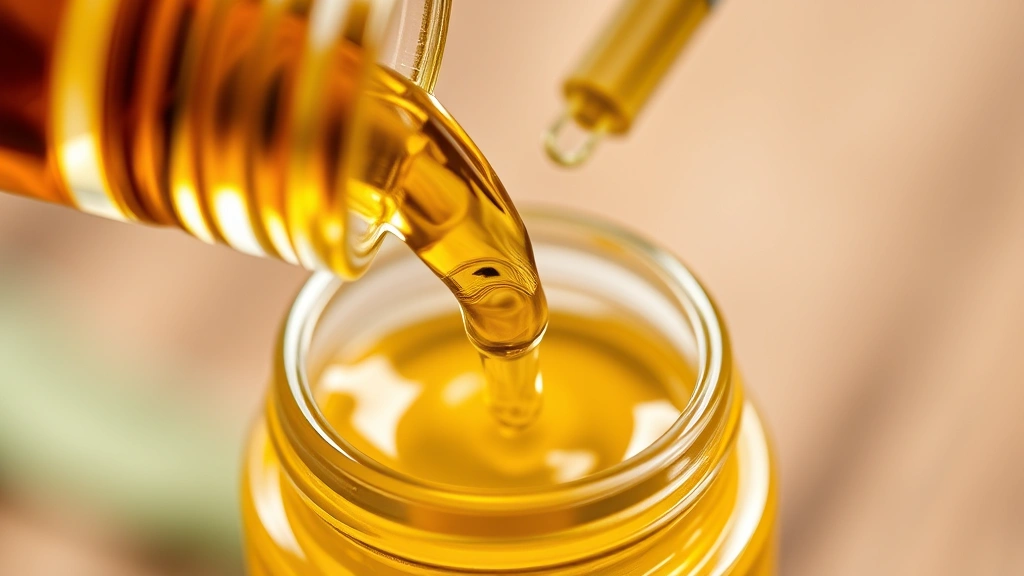
Heart notes often feature floral and herbal components: geranium, rose absolute, jasmine, and clary sage. These notes develop after the top notes fade and form the emotional core of the fragrance. I’ve noticed that natural heart notes feel more nuanced than synthetic alternatives—there’s a genuine botanical quality that comes through.
Base notes provide anchoring power using natural materials like cedarwood, sandalwood, vetiver, patchouli, and vanilla. These heavier molecules last longest on skin and give the fragrance its staying power. When you’re evaluating natural cologne for men, pay attention to the base notes because they determine whether you’ll still smell good after six hours.
Brands like Abel Fragrance and Demeter Cologne excel at combining these natural notes into coherent, wearable compositions. The challenge is that some natural ingredients have limited shelf life compared to synthetics, which is why storage and application matter more with natural products.
Longevity and Projection Expectations
Here’s what you need to know about natural cologne performance: it’s usually more subtle than synthetic alternatives. Natural fragrances typically project 2-4 feet from your body, while synthetic-heavy colognes can reach 6+ feet. This isn’t a flaw—it’s actually an advantage for office environments and close-quarters situations.
Longevity on my skin typically ranges from 4-7 hours with natural colognes, depending on the concentration and base notes. A fragrance with a strong cedarwood and sandalwood base will outlast one that relies heavily on citrus notes. This is why understanding the note breakdown matters when choosing natural options.
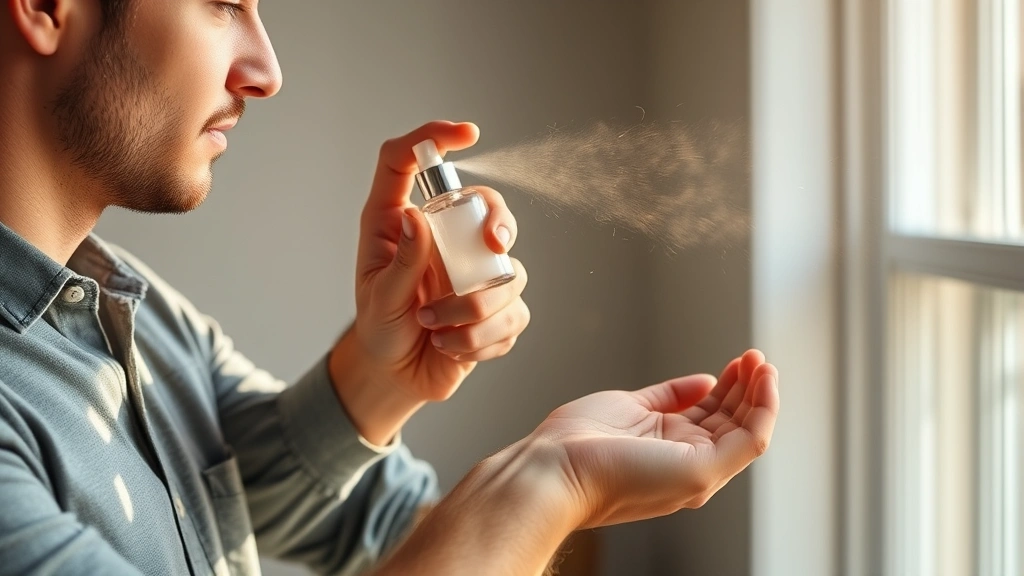
The performance also depends on your skin type. Natural colognes perform better on moisturized skin because the oils help hold the fragrance molecules. If you have dry skin, apply your natural cologne right after showering to damp skin, then moisturize afterward. This simple technique extends longevity significantly.
Storage affects performance too. Natural ingredients are sensitive to light and heat, so keeping your natural cologne in a cool, dark place preserves the fragrance longer. I’ve noticed that poorly stored natural colognes lose their top notes faster than well-maintained bottles. This is why proper care matters more with natural products than with synthetic alternatives.
Best Occasions and Seasons for Natural Colognes
Natural colognes excel in warm weather and casual settings. The transparency and freshness of botanical ingredients feel right for spring and summer. When temperatures rise, synthetic fragrances can feel heavy, but natural options remain crisp and inviting. I reach for natural colognes most during May through September.
For work environments, natural colognes are ideal. They’re present enough to make an impression but subtle enough to avoid overwhelming colleagues in close quarters. The clean, authentic quality works well in professional settings where you want to smell good without announcing your arrival.
Social occasions also favor natural colognes. Date nights, casual dinners, and weekend hangouts benefit from the approachable nature of botanical fragrances. You’ll notice people lean in closer to smell you properly, which creates positive interaction. This intimate quality is one of the biggest advantages of natural formulations.
Seasonal versatility depends on the specific fragrance. Citrus-heavy natural colognes work year-round but shine in summer. Woody, herbal options work better in fall and winter. If you’re building a natural cologne collection, start with a fresh and clean fragrance for warm months, then add earthier options for cooler seasons.
✅ Pros
- Gentle on sensitive skin with fewer synthetic irritants and allergenic compounds
- Authentic botanical scents feel personal and intimate rather than mass-produced
- Improved complexity over time when stored properly, actually aging well
- Better for environmentally conscious buyers who prefer sustainable sourcing
- Transparent fragrance profile that smells like actual ingredients rather than chemicals
- Lower projection means you won’t overwhelm others in close quarters
❌ Cons
- Higher cost due to expensive essential oils and natural absolutes
- Generally shorter longevity than synthetic fragrances, typically 4-7 hours
- More sensitive to storage conditions and light exposure
- Limited availability compared to mainstream synthetic options
Cost vs. Quality in Natural Fragrances
Natural colognes typically cost more than synthetic alternatives because essential oils and natural absolutes are expensive ingredients. A bottle of genuine rose absolute costs significantly more than synthetic rose compounds. This is why quality natural colognes rarely come cheap—if the price seems too good to be true, the natural content is probably limited.
The value proposition becomes clear when you consider performance and skin compatibility. Natural colognes are gentler on sensitive skin, less likely to cause reactions, and actually improve with aging if stored properly. Many natural fragrances develop more complexity over time, becoming better with age rather than deteriorating.
Brands like Abel Fragrance charge premium prices, but the quality justifies the cost. You’re paying for pure natural ingredients, minimal processing, and sustainable sourcing. Compare this to mainstream brands using synthetic molecules, and the value equation shifts when you factor in longevity and skin health.
For budget-conscious buyers, Demeter Cologne offers more affordable natural options without sacrificing authenticity. These fragrances are simpler—often single-note or dual-note compositions—but deliver genuine botanical quality. Starting with budget-friendly natural colognes helps you understand your preferences before investing in premium options.

💡 Pro Tip: Apply natural cologne to moisturized skin immediately after showering for better longevity and projection
Natural Cologne Alternatives and Comparisons
If you like Creed Cologne Green Irish Tweed, explore other natural fragrances with herbaceous and green profiles. Abel Fragrance offers similar botanical sophistication with their cedar and herb-focused compositions. Both brands prioritize natural ingredients while delivering noticeable performance—a rare combination in the natural fragrance space.
For fresh and clean fragrances, natural alternatives to synthetic options include citrus-based colognes with natural galbanum and bergamot. These provide the clean impression you want without chemical harshness. Demeter Cologne excels here with their straightforward, honest fragrance approach.
When exploring masculine fragrance options in the natural space, look for woody and herbal profiles. Cedar, vetiver, and sandalwood are the natural ingredients that create masculine appeal. These materials have been used in men’s fragrances for centuries, so the association is genuine rather than marketed.
If you’re comparing to mainstream options like Azzaro Cologne for Men, understand that natural alternatives will feel lighter and more transparent. The projection and longevity may differ, but the skin compatibility and authenticity improve significantly. Many men find that switching to natural colognes reduces skin irritation and increases compliments because the fragrance feels more personal.
❓ Frequently Asked Questions
Do natural colognes last as long as synthetic fragrances?
Natural colognes typically last 4-7 hours compared to 6-10 hours for synthetic options. The difference depends on base notes and concentration. Natural fragrances with strong cedarwood and sandalwood bases perform comparably to synthetics, while citrus-heavy natural colognes fade faster. Using proper application techniques and moisturized skin extends longevity significantly.
Are natural colognes better for sensitive skin?
Yes, natural colognes are generally gentler on sensitive skin because they avoid synthetic irritants and harsh chemicals. Essential oils and natural absolutes are less likely to trigger reactions than aroma compounds. However, some people react to specific natural ingredients like essential oils, so patch testing is still important before full application.
How should I store natural cologne to maintain quality?
Store natural cologne in a cool, dark place away from direct sunlight and heat. Bathroom cabinets are often too humid and warm. A bedroom closet or drawer works better. Keep the bottle sealed tightly and avoid frequent exposure to air, which degrades natural ingredients faster than synthetic ones. Proper storage extends the fragrance’s lifespan by months or years.
What’s the difference between natural cologne and eau de cologne?
Eau de cologne refers to a fragrance concentration level (2-5% fragrance oils), while natural cologne describes the ingredient source. You can have natural eau de cologne or synthetic eau de cologne. Natural versions use botanical oils and absolutes, while synthetic versions use aroma compounds. Natural is about purity; eau de cologne is about concentration strength.
Can I layer natural colognes with other products?
Yes, layering works well with natural colognes. Apply unscented moisturizer first, then spray cologne on pulse points. You can also use scented body wash from the same fragrance line to build complexity. Avoid layering multiple strong fragrances together—natural colognes work best when they’re the only scent on your body, allowing the botanical notes to develop properly.
Are all expensive colognes actually natural?
No, price doesn’t guarantee natural ingredients. Some expensive fragrances use high-quality synthetics and marketing rather than natural materials. Check ingredient lists and brand descriptions carefully. Brands like Abel and Creed are transparent about natural content. Look for terms like ‘natural’, ‘organic’, or ‘essential oils’ in descriptions rather than assuming price reflects purity.