⚡ Quick Answer
Perfume vs cologne comes down to concentration and longevity. Perfume has 15-40% fragrance oils and lasts 6-8 hours, while cologne has 2-5% oils and fades in 2-3 hours. Choose perfume for all-day wear and cologne for fresh, lighter scents.
Perfume vs Cologne: The Core Difference
When I first got serious about fragrances, I realized perfume vs cologne wasn’t just marketing speak—it’s actually about chemistry. The main difference is fragrance concentration, which determines how long a scent stays on your skin and how intense it smells.
Perfume, also called eau de parfum, contains 15-40% fragrance oils mixed with alcohol and water. Cologne, or eau de cologne, has only 2-5% fragrance oils. This might sound like a small number, but it makes a huge difference in performance. I noticed that a single spray of perfume would last me through an entire workday, while cologne from the same brand would fade by lunch.
The fragrance concentration levels also affect price. Since perfume has more oils, it costs more per bottle. But you use less of it because it’s stronger, so the cost per wear actually evens out.
How Concentration Affects What You Smell
I’ve tested the same fragrance in both perfume and cologne forms, and the experience is genuinely different. With higher concentration, the base notes—those deeper, woodsy or musky scents that last longest—become more prominent. In cologne, the top notes dominate because everything fades so quickly.
Think of it like adjusting the volume on a speaker. Perfume turns everything up louder and keeps it playing longer. Cologne is like a whisper that disappears fast. On my skin, a cologne might smell fresh and citrusy for 30 minutes, then become barely noticeable. The same scent as a perfume would smell complex and layered all day.
The cologne strengths vary too. Some colognes are formulated to be slightly stronger than standard eau de cologne, sitting around 5-8% concentration. These bridge the gap between traditional cologne and eau de toilette.
Longevity and Projection: Real-World Testing
Longevity is where perfume and cologne really separate. I’ve done side-by-side tests on my wrists, and perfume consistently outlasts cologne by hours. Perfume typically projects—meaning how far the scent travels—for 4-6 feet and lasts 6-8 hours. Cologne projects maybe 2-3 feet and fades in 2-3 hours.
This matters for daily life. If you’re wearing cologne to the office, you might need to reapply mid-afternoon. With perfume, one application in the morning gets you through the entire day. On warmer days, I’ve noticed both perform better because heat amplifies fragrance. Cold weather makes everything fade faster.
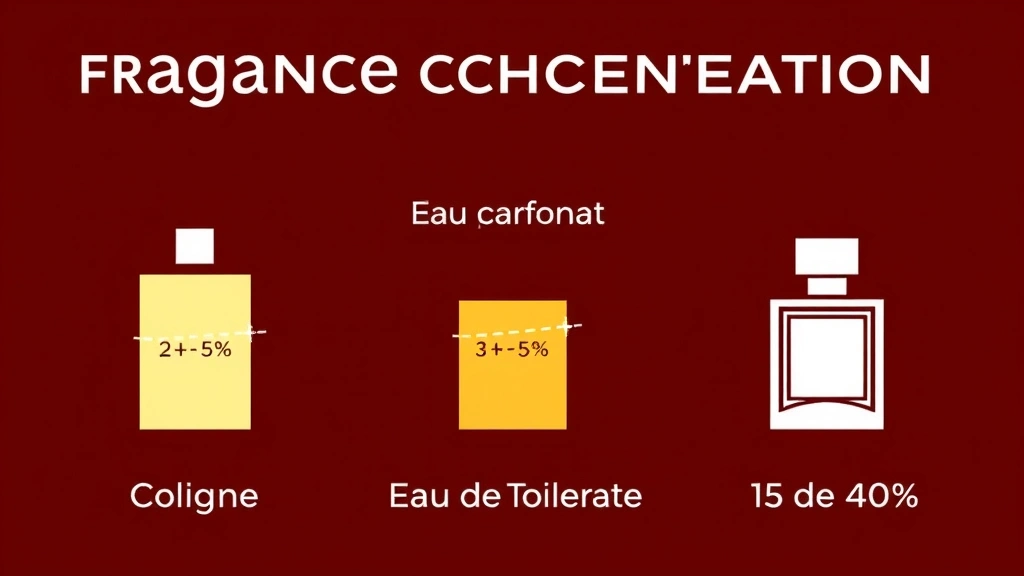
The cologne levels matter when you’re buying too. A standard cologne won’t last as long as eau de toilette, which won’t last as long as eau de parfum. Understanding these tiers helps you pick the right product for your lifestyle.
Choosing Between Perfume and Cologne for Different Occasions
Here’s where personal preference meets practicality. I reach for cologne when I want something fresh and light—early morning showers, casual hangouts, or hot summer days. Cologne feels less heavy on the skin and gives off a clean, approachable vibe. It’s also easier to layer with other products without creating fragrance chaos.
Perfume is my choice for situations where I want to make an impression. Evening events, important meetings, dates, or any time I’m dressing up. The longevity means I don’t have to worry about reapplying, and the stronger projection fills a room without being overwhelming.
For office environments, I’ve learned that perfume requires restraint. One or two spritzes is enough. Cologne is more forgiving—you can apply it more liberally without annoying coworkers. Eau de cologne is specifically designed as a light, refreshing option perfect for workdays and casual settings.
✅ Pros
- Perfume lasts 6-8 hours versus cologne’s 2-3 hours, eliminating midday reapplication
- Cologne feels lighter and fresher, making it ideal for casual everyday wear and warm weather
- Perfume’s stronger projection means you make a fragrance impact without using much product
- Cologne is more affordable upfront and easier to layer with other scented products
- Perfume offers better value per wear despite higher initial cost
- Both formats come in quality fragrances, so you can choose based on lifestyle rather than quality concerns
❌ Cons
- Perfume costs significantly more per bottle, making it a bigger investment
- Cologne requires frequent reapplication if you want consistent scent throughout the day
- Perfume’s stronger projection can overwhelm in close quarters like offices or crowded spaces
- Cologne may not last long enough for evening events or important occasions
Cost, Value, and Practical Buying Tips
Perfume costs more upfront—sometimes double or triple the price of cologne. But here’s the financial reality: you use less perfume per application. A typical perfume spray is 1-2 sprays, while cologne often needs 3-4 sprays to have the same impact. A 50ml bottle of perfume lasts longer than a 100ml bottle of cologne.
I’ve calculated that over a year, the cost per wear is often similar between perfume and cologne. Perfume is the better investment if you wear fragrance daily. Cologne makes sense if you want variety and don’t mind reapplying during the day.
When shopping, consider your lifestyle. If you’re in an air-conditioned office most days, perfume’s longevity is wasted—cologne works fine. If you’re outdoors, traveling, or in varying environments, perfume gives you peace of mind. Popular fragrances like Creed Aventus Fragrance and Dior Sauvage Elixir Cologne for Men come in both formats, so you can test which concentration works for you.
💡 Pro Tip: Apply fragrance to pulse points—wrists, neck, and behind ears—where heat helps it project and last longer
Real Fragrances: Perfume vs Cologne Comparisons
Looking at actual products helps clarify the choice. Burberry Cologne for Men is a classic cologne that smells fresh and herbal for about 3 hours. If you want that same scent profile but all-day wear, you’d need to find Burberry in eau de parfum concentration.

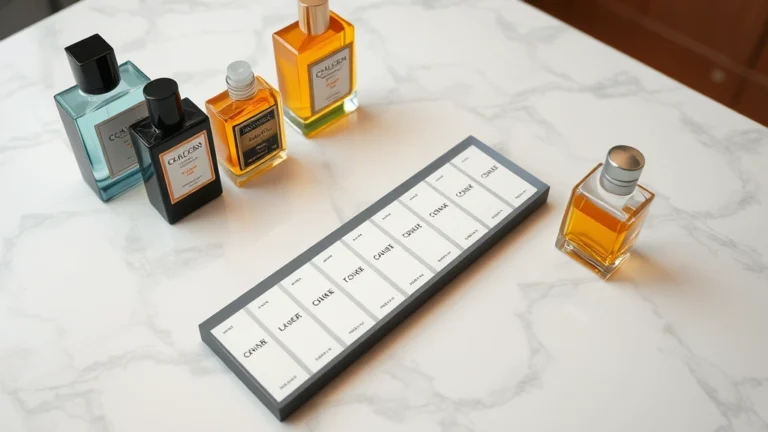
Emporio Armani Fragrance comes in multiple concentrations. The cologne version is lighter and more casual, perfect for everyday wear. The eau de parfum is richer and more suitable for evening events.
The lesson I’ve learned: don’t assume one fragrance is better than another just because it’s cologne or perfume. The quality of the fragrance composition matters more than concentration. A well-made cologne outperforms a poorly-made perfume. But all things equal, perfume gives you better longevity and projection. Your choice should depend on your daily schedule, climate, and how much time you want to spend reapplying fragrance.
❓ Frequently Asked Questions
Is perfume stronger than cologne?
Yes, perfume is stronger because it contains 15-40% fragrance oils compared to cologne’s 2-5%. This means perfume projects farther, smells more intense, and lasts much longer on your skin.
How long does cologne last compared to perfume?
Cologne typically lasts 2-3 hours, while perfume lasts 6-8 hours. On your skin, you’ll notice perfume maintaining its scent and projection throughout the day, whereas cologne fades noticeably after a couple hours.
Why is perfume more expensive than cologne?
Perfume costs more because it contains significantly more fragrance oils. However, you use less per application, so a bottle of perfume actually lasts longer than a bottle of cologne when calculating cost per wear.
Can I use cologne and perfume interchangeably?
Not really. They’re designed for different purposes. Cologne is better for fresh, light everyday wear, while perfume is ideal for all-day wear and situations where you want stronger fragrance presence.
Should I choose perfume or cologne for work?
Cologne is generally better for work environments because it’s lighter and doesn’t project as strongly, reducing the chance of overwhelming colleagues. Perfume works if you apply restraint and use just one or two spritzes.
Does climate affect perfume vs cologne performance?
Yes. Heat amplifies fragrance, so both perform better in warm weather. Cold weather makes fragrances fade faster. In hot climates, cologne’s shorter longevity is less of an issue, while cold climates favor perfume’s staying power.