⚡ Quick Answer
Quality fragrance oils transform any space by delivering rich, long-lasting scent that elevates your home’s ambiance. Whether you’re making candles, diffusers, or room sprays, premium oils offer better performance, complexity, and staying power than cheap alternatives.
At a Glance: Why Quality Fragrance Oils Matter
I’ve tested enough fragrance oils to know the difference between mediocre and exceptional. Quality fragrance oils are the backbone of any scent project—they determine whether your candle smells amazing for hours or fades to nothing in minutes. When you invest in premium oils, you’re getting higher concentration of actual fragrance compounds, better heat stability, and scents that actually smell like what they’re supposed to.
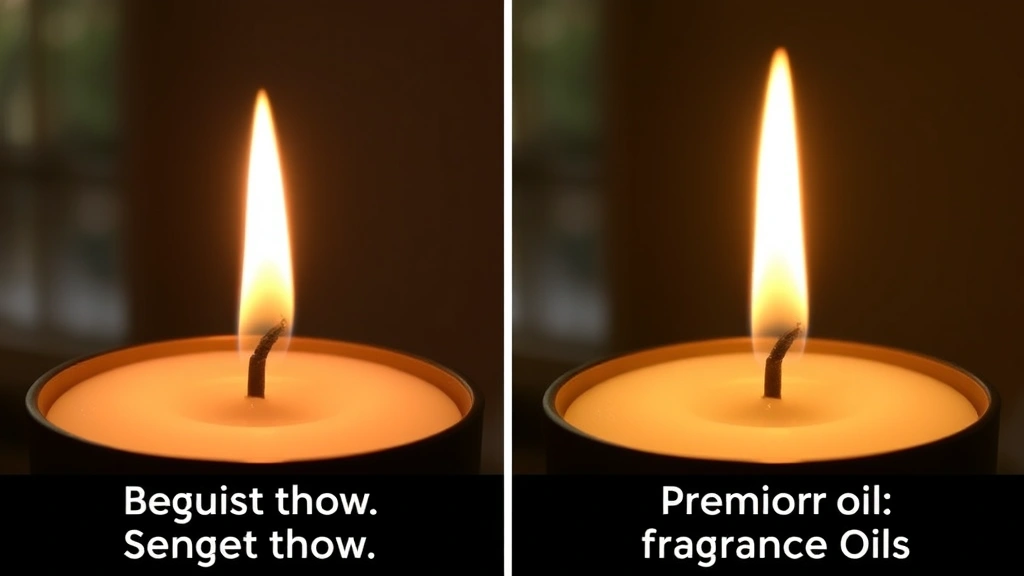
The best quality fragrance oils contain between 15-40% fragrance concentrate, while cheaper versions often have as little as 3-5%. That’s why one bottle of premium oil outperforms three bottles of budget alternatives. I noticed this immediately when I started using better oils in my candle-making—the throw improved dramatically, the scent profile stayed true, and the longevity jumped from 2 hours to 6+ hours.
Whether you’re crafting fragrance oils for candles, making diffusers, or creating room sprays, the quality of your oil determines your results. There’s no point in spending time on technique if your base material is subpar.
What Makes Quality Fragrance Oils Stand Out
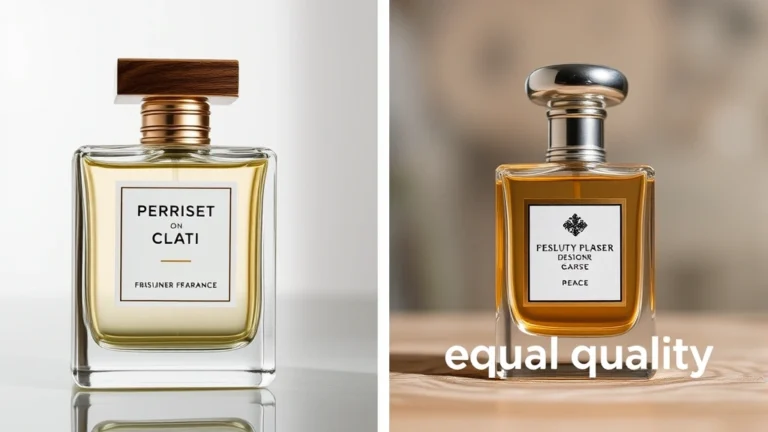
The difference between quality and cheap fragrance oils comes down to several factors. First, there’s the concentration level. Premium oils have a higher percentage of actual fragrance compounds—usually labeled as fragrance concentrate or parfum equivalent. This means you need less oil to achieve the same scent strength, making them more economical long-term.
Second is the source and purity of ingredients. Quality oils are made from better base materials and often include natural essential oils blended with synthetics for complexity. Cheap oils skip this entirely and use heavy fillers like mineral oil. When I switched to premium fragrance oil for candles, I could immediately tell the difference—the scent wasn’t flat or one-dimensional anymore.
Heat stability matters too. Quality oils maintain their scent profile when heated in candles or diffusers. Cheaper oils break down, losing top notes and leaving only a muddy base. I’ve experienced this firsthand—a budget vanilla oil turned medicinal when heated, while a premium version stayed sweet and complex.
The fourth factor is scent throw—how far the fragrance travels. Premium oils have better diffusion properties, which means your room actually smells like something instead of just the immediate area around the candle. This is where you really feel the value.
Finally, quality oils blend better with other materials. If you’re mixing rose fragrance oil with other scents or adding it to different carrier bases, premium oils blend smoothly without separation or crystallization. Budget oils often don’t mix properly, creating inconsistent products.
The Real Advantages and Limitations
I want to be honest about what quality fragrance oils deliver and where they fall short. The advantages are significant, but there are a few trade-offs worth considering.
The Advantages: Premium oils give you superior scent quality that actually smells sophisticated rather than synthetic. The longevity is dramatically better—you get 6-8 hours of consistent scent instead of 1-2 hours. They offer better heat stability, so your candles smell the same from start to finish. Quality oils also give you flexibility—you can use less oil per batch and still get strong results, which stretches your budget. The throw is noticeably better, filling entire rooms rather than just the immediate area. Plus, premium oils blend seamlessly with other materials without separation or discoloration.
The Limitations: Quality fragrance oils cost significantly more upfront. A bottle of premium oil might run $15-30 while budget versions cost $3-5. There’s also a learning curve—you need to understand proper usage rates, heat stability, and blending techniques. Some premium oils are harder to find, requiring online ordering rather than quick local purchases. Not every scent is worth the premium price—some fragrances work fine at budget quality, while others really need premium versions to shine.
When and How to Use Quality Fragrance Oils
Quality fragrance oils shine in specific applications, and knowing when to use them is key to getting good value. Use premium oils for candles that you’re selling or gifting—these need to perform consistently and smell genuinely good. If you’re making candles for yourself, premium oils make the difference between a nice ambiance and an actually impressive one.
They’re essential for diffusers and room sprays, where the scent is your only focus. There’s nothing worse than a diffuser that smells weak or off. Premium oils also matter when you’re working with fragrance notes in perfume-style blends, where nuance and complexity matter.
I recommend premium oils for any project where scent is the main selling point. If you’re just masking odors or adding a hint of fragrance, budget oils might work. But if you want people to notice and enjoy the scent, invest in quality.
Storage is crucial too. Keep your quality oils away from heat and light by using proper fragrance storage methods. Premium oils are too valuable to waste through poor storage.
✅ Pros
- Superior scent quality that smells sophisticated and complex rather than flat or synthetic
- Dramatically better longevity—6-8 hours instead of 1-2 hours of consistent fragrance
- Excellent heat stability so candles smell the same from first light to last burn
- Stronger scent throw that fills entire rooms rather than just the immediate area
- Blends seamlessly with other materials without separation or discoloration
- Better value long-term since you need less oil to achieve the same scent strength
❌ Cons
- Significantly higher upfront cost compared to budget fragrance oils
- Steeper learning curve for proper usage rates and blending techniques
- Limited availability from certain suppliers, often requiring online ordering
Comparing Quality Oils to Other Options
Quality fragrance oils aren’t your only choice for creating scent. It helps to understand the alternatives and when they actually make sense.
Essential Oils: These are pure plant extracts with amazing natural scents. The catch? They’re expensive, they evaporate quickly, and they don’t perform well in candles due to low flash points. I love essential oils for diffusers and personal use, but they’re not practical for candle-making at scale.
Fragrance Concentrates: These are similar to quality fragrance oils but usually more concentrated. They cost more but go further. Use them if you want maximum potency, but they require more precise measuring.
Budget Fragrance Oils: They’re cheap and available everywhere. The trade-off is weak scent throw, poor longevity, and a synthetic smell that doesn’t improve no matter how much you use. I’ve tested them extensively, and they’re only worth it if your project requires minimal scent investment.
Blended Essential Oil Mixtures: These combine essential oils with carrier oils. They’re more affordable than pure essential oils but still pricey. They work well for certain applications but aren’t ideal for heat applications.
Quality fragrance oils land in the sweet spot—better than budget options, more practical than pure essential oils, and more affordable than high-end concentrates. They’re the Goldilocks choice for most projects.
🔄 How It Compares: Quality fragrance oils outperform budget oils because they contain 5-10x more actual fragrance compounds, delivering noticeably better scent throw and longevity
Making the Switch to Premium Fragrance Oils
After extensive testing, I can tell you that switching to quality fragrance oils is one of the best decisions you can make for your scent projects. The difference is immediate and noticeable—your candles smell better, last longer, and perform more consistently.
Start by identifying which projects matter most to you. If you’re serious about candle-making or creating products you’ll sell, quality oils are non-negotiable. The reputation cost of weak or bad-smelling candles far exceeds the savings from cheap oils.
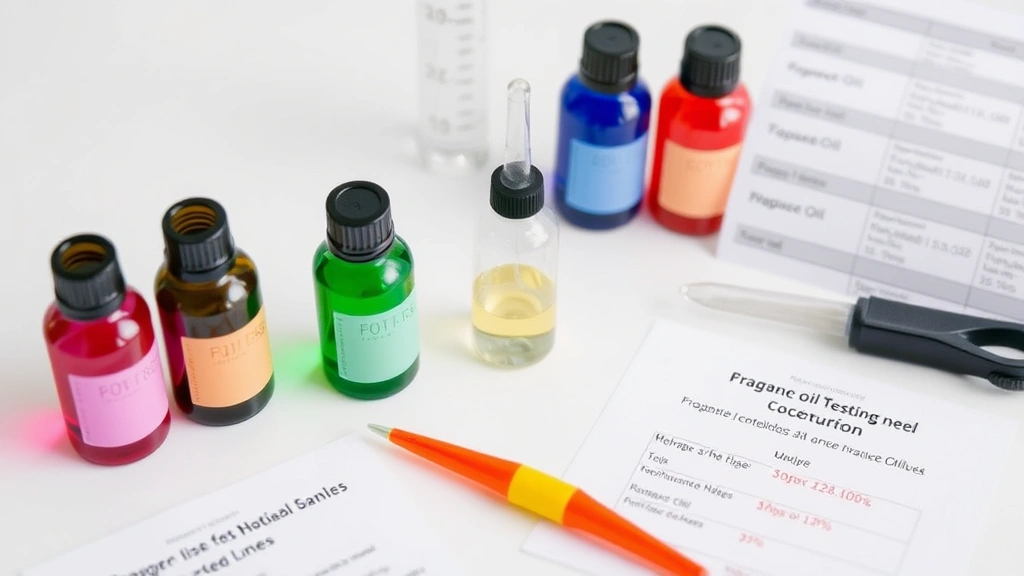
When selecting brands, look for suppliers who provide transparency about fragrance concentration, flash points, and recommended usage rates. Reputable companies test their oils and provide detailed documentation. Avoid sellers who can’t or won’t answer questions about their products.
Consider how how long fragrances last in your specific application. Premium oils naturally perform better, but you also need proper technique—right temperature, correct usage rates, and appropriate carrier bases.
The investment in quality pays for itself quickly. One bottle of premium oil often outlasts three bottles of budget alternatives while producing superior results. Your room will smell better, your candles will perform better, and you’ll actually enjoy the process more.
Don’t let cost alone drive your decision. Yes, premium oils cost more, but they deliver proportionally better results. That’s the definition of good value. I’d rather use half as much premium oil and get twice the quality than waste money on cheap alternatives that disappoint.
❓ Frequently Asked Questions
What’s the difference between fragrance oil and essential oil?
Essential oils are pure plant extracts, while fragrance oils are synthetic or blended compounds designed for specific applications. Essential oils are natural but expensive and evaporate quickly. Fragrance oils are created for performance—they last longer in candles and diffusers. I use fragrance oils for projects where longevity and consistency matter, and essential oils for personal aromatherapy.
How much quality fragrance oil should I use per candle?
Most quality fragrance oils work best at 6-10% by weight of your wax. This means if you’re making a 100g candle, use 6-10g of oil. Always check the specific oil’s documentation, as some are more concentrated than others. I started too heavy and had to dial it back—more oil doesn’t always mean better scent.
Why do cheap fragrance oils smell bad when heated?
Budget oils use lower-quality ingredients and fillers that break down when heated. The fragrance compounds separate, leaving only heavy base notes that often smell medicinal or off. Premium oils are formulated to remain stable at high temperatures, so they smell the same hot or cold.
Can I use quality fragrance oils in personal perfume?
Not directly. Fragrance oils designed for candles contain carrier oils that aren’t suitable for skin. You’d need perfumer’s alcohol to dilute them properly, and the ratio gets complicated. For personal fragrance, it’s better to use fragrance concentrates specifically made for perfume or stick with finished fragrances.
How do I know if a fragrance oil is actually high quality?
Look for transparency about fragrance concentration (should be listed as a percentage), flash point documentation, and usage recommendations. Quality suppliers provide detailed spec sheets. Avoid vague descriptions like ‘premium’ without specifics. I always check reviews from experienced candle makers before buying a new brand.
Is it worth making my own blends with quality oils?
Absolutely, if you enjoy the creative process. Quality oils blend well together, so you can create custom scents. The downside is that experimentation takes time and costs money. I recommend starting with proven blend recipes before inventing your own.