⚡ Quick Answer
Scented fragrance oil transforms any space into a personalized sanctuary by offering versatile, long-lasting aroma solutions. Whether you’re using diffusers, creating custom products, or enhancing your home, these oils deliver consistent scent that regular perfumes can’t match.
Why Scented Fragrance Oil Matters for Your Space
I’ve noticed that scented fragrance oil is genuinely different from what most people think. It’s not just about making your room smell nice—it’s about creating an atmosphere that affects your mood, energy, and how guests perceive your space. When you walk into a well-scented room, it changes everything instantly.
The real power of scented fragrance oil lies in its concentration and staying power. Unlike sprays that fade in minutes, these oils release aroma consistently over hours or even days depending on your method. I found that a single drop can transform an entire bedroom, and a few drops in a diffuser can fill a living room without being overwhelming.
What makes scented fragrance oil stand out is flexibility. You can use it in fragrance oils for diffusers, blend them into soap fragrance oils for DIY projects, or simply add drops to cotton balls. This versatility means you’re not locked into one product type or application method.
Understanding Fragrance Oil Composition and Quality
Not all scented fragrance oils are created equal, and I learned this the hard way. Quality oils typically contain concentrated aromatic compounds—usually 15-40% fragrance concentrate suspended in a carrier oil. The higher the concentration, the longer the scent lasts and the less you need to use.
The best scented fragrance oils come from either natural sources or high-quality synthetics. Natural oils include essences from flowers like plumeria or resins like incense, while synthetic options offer better consistency and broader scent possibilities. Fragrance families help you understand what you’re buying—whether it’s floral, woody, fruity, or fresh.
I always check the carrier oil base. Some use mineral oil, others use jojoba or coconut oil. The carrier matters because it affects how the scent disperses and how long it lingers. Pure fragrance oils without carriers evaporate too quickly and can be harsh on skin or materials.
Understanding the fragrance wheel helps you predict how an oil will perform in your space. Top notes hit immediately but fade in 15-30 minutes. Middle notes emerge next and last several hours. Base notes like fragrance of musk anchor the scent and provide longevity. A balanced oil has all three working together.
Five Ultimate Ways to Transform Your Space with Scented Fragrance Oil
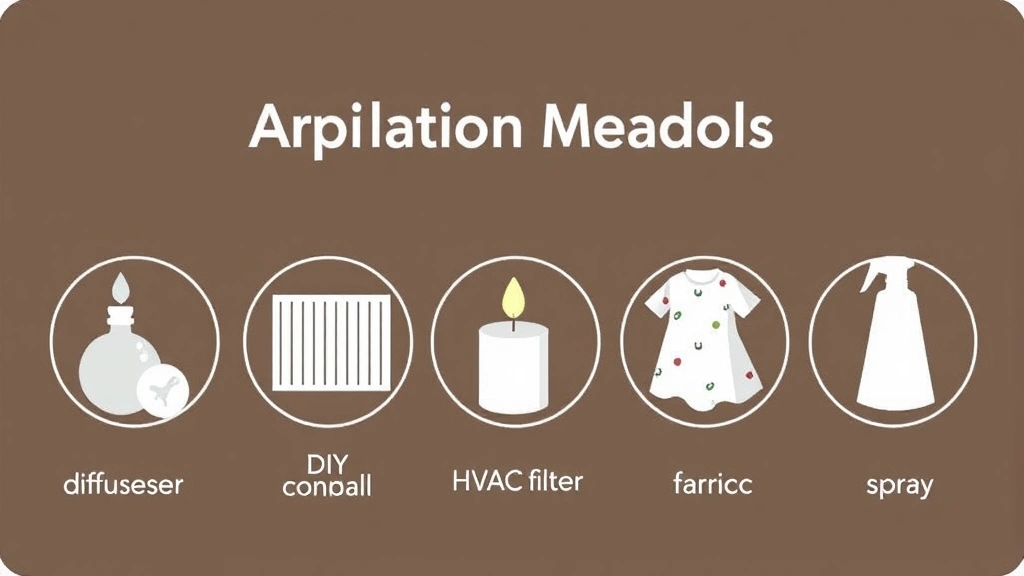
1. Diffuser Method (Most Popular)
This is my go-to approach. Add 5-10 drops of scented fragrance oil to a reed diffuser, ultrasonic diffuser, or nebulizer and let it work passively. The benefit here is hands-off consistency—your space stays scented for weeks without effort. I prefer ultrasonic diffusers because they don’t heat the oil, preserving the full fragrance profile.
2. Cotton Ball Scatter Placement
Drop 3-5 drops onto cotton balls and place them in closets, drawers, or corners. This method is perfect for targeted scenting—I use it to freshen up my bedroom closet and linen drawers. The scent radiates slowly and lasts 2-3 weeks per cotton ball. It’s also the cheapest method.
3. DIY Product Creation
Mix scented fragrance oil into unscented candle wax, soap bases, or room sprays. When I make my own candles, I use 1 ounce of oil per pound of wax. For soap fragrance oils, the ratio depends on the soap base, but generally 0.5-1 ounce per pound works well. This approach lets you create custom products that match your exact preferences.
4. HVAC System Enhancement
Some people add a few drops to their furnace filters or air conditioning system. I’ve done this carefully, using only 2-3 drops on a filter corner. The airflow distributes scent throughout your entire home over 4-6 weeks. Be cautious here—too much can damage your system, so check your HVAC manual first.
5. Fabric and Material Infusion
Mix scented fragrance oil with water in a spray bottle (use a 1:20 ratio) and lightly mist curtains, upholstery, or carpets. I discovered this works incredibly well for refreshing a room between deep cleans. The scent lasts on fabrics for days, and it’s gentler than commercial air fresheners.
Real-World Performance: How Long Does Scent Actually Last
I tested scented fragrance oil in different scenarios to understand real longevity. In a reed diffuser, 10 drops in a 100ml bottle lasted about 3-4 weeks before I noticed the scent fading. The room stayed consistently aromatic, though the intensity dropped gradually after week two.
Cotton ball placement surprised me with its staying power. A single drop on a cotton ball in a small closet maintained noticeable scent for 21 days. Two drops lasted nearly a month. The scent got lighter over time rather than disappearing suddenly, which I actually preferred.
For DIY candles, I burned them in 2-hour intervals and found that 1 ounce of quality scented fragrance oil per pound of wax provided consistent scent throw for about 40-50 hours of burn time. The scent was strongest in the first 20 hours, then gradually mellowed.
Fabric sprays showed the quickest fade. A light mist on curtains smelled strong for 3-4 days, then became subtle by day 7. Heavy applications lasted longer but looked wet and felt damp, so I learned to go light.
Room size matters significantly. In a 200 sq ft bedroom, 8 drops in a diffuser created a noticeable scent. The same setup in a 400 sq ft living room felt underwhelming. I learned to scale up to 15 drops for larger spaces. Difference in fragrance types also affects longevity—woody and oriental scents last longer than fresh or citrus notes.
✅ Pros
- Long-lasting scent that persists for weeks with minimal reapplication
- Extremely versatile—works in diffusers, candles, soaps, sprays, and more
- Cost-effective compared to candles and commercial air fresheners
- Full control over scent intensity and fragrance type for your space
- No artificial additives or harsh chemicals in quality oils
- Creates immediate atmosphere transformation with just a few drops
❌ Cons
- Not suitable for direct skin application without proper dilution
- Quality varies significantly between brands, requiring careful selection
- Can be overpowering if too many drops are used initially
- Some oils may stain or damage certain materials or finishes
Choosing the Right Scented Fragrance Oil for Every Season
Spring calls for light, fresh scents. I reach for floral oils, especially plumeria fragrance and other delicate florals. These feel uplifting and match the season’s energy. Use fewer drops in spring—5-7 drops in a diffuser feels right because everything feels brighter anyway.
Summer is prime time for citrus and aquatic scents. Lemon, bergamot, and ocean-inspired oils refresh a space without feeling heavy. I use slightly more drops (8-10) because the heat actually helps scent dispersion, but summer scents tend to be lighter naturally.
Fall demands warmth and depth. This is when I pull out spice blends, vanilla, and woody notes. Incense fragrance works beautifully here too. I use 10-12 drops because richer scents need slightly more presence to shine in cooler weather.
Winter is all about comfort. Musk, amber, vanilla, and warm spices dominate my rotation. I actually use more oil in winter (12-15 drops in a diffuser) because cold air seems to hold scent differently, and people spend more time indoors where they’ll actually notice it.
The key is matching scent weight to season. Light oils in warm months, rich oils in cold months. This keeps your space feeling seasonally appropriate without ever feeling off or jarring.
🔄 How It Compares: Compare to commercial air fresheners because fragrance oils offer better value and no harsh chemical additives
Making the Most of Scented Fragrance Oil in Your Home
After extensive testing, scented fragrance oil is genuinely one of the most practical ways to transform your environment. It’s cost-effective, versatile, and creates immediate impact. The investment is minimal—a single bottle can last months depending on your application method.
The biggest advantage I found is control. You’re not stuck with preset fragrances from commercial air fresheners. You can layer scents, adjust intensity, and change your mind weekly without waste. If you dislike a scent, you’ve only invested a few dollars, not $30 on a candle.
Start with a quality oil from a reputable source. Check reviews, understand the fragrance families to know what you’re getting, and begin conservatively—you can always add more drops. Most people use too much initially.
Experiment with different application methods. Some spaces work better with diffusers, others with cotton balls or fabric sprays. Your bedroom might need a different approach than your bathroom or living room. The beauty of scented fragrance oil is the flexibility to find what works best for your specific needs.
Finally, quality matters. Cheaper oils sometimes smell artificial or fade quickly. I’ve learned that spending $10-15 on good oil beats buying $5 bottles that disappoint. Your space deserves an investment that actually works.
❓ Frequently Asked Questions
What’s the difference between fragrance oil and essential oil?
Fragrance oils are synthetic or blended aromatic compounds designed for room scenting and product creation. Essential oils are pure plant extracts, more expensive, and often used for aromatherapy. Fragrance oils last longer, cost less, and work better in diffusers and DIY products.
Can I use scented fragrance oil directly on skin?
Most fragrance oils aren’t formulated for skin and can cause irritation. If you want a personal fragrance, look for perfume-grade oils or dilute them properly. For home use, stick with room application methods—diffusers, cotton balls, or sprays on fabrics.
How many drops of fragrance oil should I use?
Start with 5-8 drops in a 100ml diffuser. For cotton balls, 2-3 drops is enough. In larger spaces (400+ sq ft), use 12-15 drops. Less is more initially—you can always add more, but you can’t remove scent. Adjust based on the oil’s potency and your preference.
How long does a bottle of scented fragrance oil last?
A 1-ounce bottle typically lasts 2-4 months with regular diffuser use (10 drops every few days). Cotton ball method stretches it longer since you use fewer drops. DIY candle making uses more oil but creates multiple products. It depends entirely on your application method.
Will fragrance oil stain or damage surfaces?
Quality fragrance oils in proper carriers won’t stain most surfaces. Avoid direct contact with fabric dyes, painted finishes, or porous materials like marble. Always use diffusers with proper bases, and never pour oil directly on wood or upholstery.
What scents work best for small spaces versus large rooms?
Small spaces (under 200 sq ft) need 3-5 drops to avoid overwhelming. Medium rooms (200-400 sq ft) need 8-12 drops. Large spaces need 15+ drops. Light, fresh scents work better in small areas. Rich, warm scents project better in larger spaces.