⚡ Quick Answer
Soap fragrance oils transform basic bars into luxurious products by adding lasting scent, visual appeal, and premium feel. The key is choosing quality oils, understanding dilution rates, and matching scents to your brand voice.
Why Soap Fragrance Oils Matter for Your Products
I started making soap years ago thinking any fragrance would work, but I quickly learned that soap fragrance oils are a completely different game than perfumes. When you’re working with soap bases, water content, and natural ingredients, the fragrance oil you choose makes or breaks the final product. It’s not just about smell—it’s about longevity, how the scent evolves on skin, and whether customers feel like they’re buying something premium or just another bar of soap.
The reason soap fragrance oils exist as a separate category is chemistry. Regular perfume oils and essential oils behave differently in soap than they do in air. Some oils fade within hours, others turn the soap brown, and some don’t blend properly with the base. That’s why I always recommend investing in fragrance oils specifically formulated for cold-process or melt-and-pour soap. They’re designed to stay stable, cure properly, and release scent gradually as the bar is used.
Your choice of soap fragrance oils directly impacts how customers perceive your brand. A well-scented bar that smells incredible in the shower signals quality. A poorly chosen fragrance that fades after two days or smells artificial tells a different story. This is where understanding your options becomes essential for elevating your soap line.
The Five Essential Ways to Elevate Your Soap with Fragrance Oils
1. Layer Multiple Fragrance Notes – The most sophisticated soaps use fragrance oils that work as a complete scent journey. When I blend oils like jasmine fragrance oil with base notes, the soap opens with brightness and fades into something warm and sensual. This layering technique separates artisan soaps from mass-produced bars. You’re not just adding one scent—you’re creating an experience.
2. Choose Oils Built for Longevity – Not all soap fragrance oils perform equally. I’ve tested hundreds, and the ones that truly last are formulated with high flash points and excellent soap stability. Look for oils labeled as “soap-safe” with documentation showing they won’t accelerate trace, seize your batch, or fade within days. Quality oils cost more upfront but save you from batches that smell great in the pot but fade by day three.
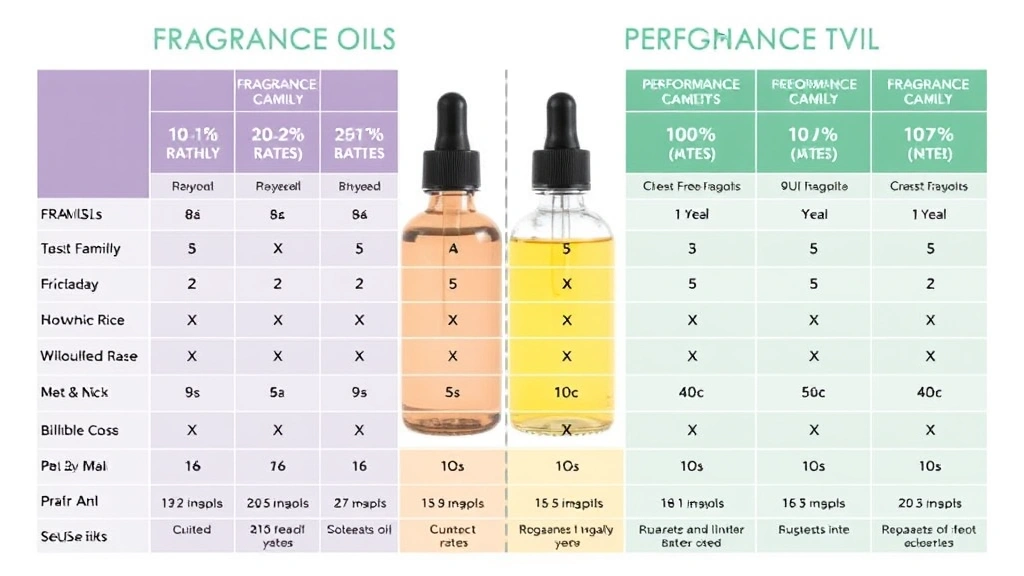
3. Understand Dilution Rates and Safety – Soap fragrance oils require proper dilution. The standard is 0.5-1 ounce per pound of soap base, but this varies by oil. I’ve learned that more fragrance doesn’t equal better soap—it can create irritation, staining, or a scent that’s overwhelming. Read technical data sheets and always test small batches first. Safety matters, especially if you’re selling to sensitive skin types.
4. Match Fragrance to Your Brand Identity – Your soap fragrance choice tells customers who you are. If you’re positioned as luxury, don’t use cheap fragrance oils that smell plasticky. If you’re eco-conscious, pair natural-leaning scents like neroli fragrance or fig fragrance with sustainable packaging. Consistency in your scent profile builds brand recognition. Customers should recognize your soaps by smell alone.
5. Test in Real Conditions Before Scaling – I always make small test batches with new oils. Fragrance oils behave differently at different temperatures, curing times, and humidity levels. An oil that smells perfect in your workshop might shift in a humid bathroom. Test how the scent develops over the first week, month, and lifetime of the bar. Real-world testing prevents expensive batches from failing after production.
How Soap Fragrance Oils Develop Over Time
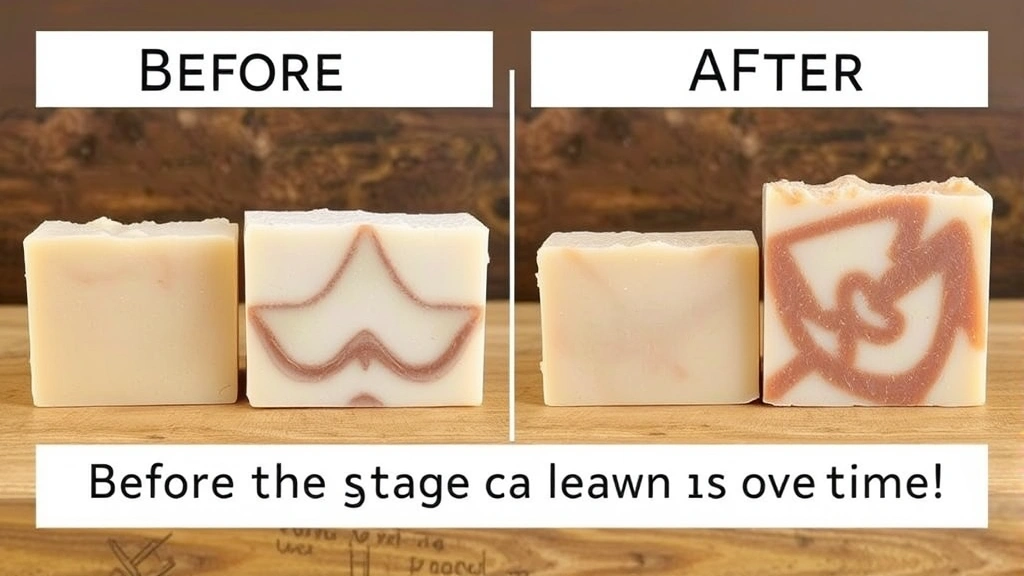
The scent journey of a soap bar is different from perfume. Within the first 24 hours of curing, fragrance oils are still settling into the base. I’ve noticed that bars often smell slightly different on day one versus day seven. This isn’t a flaw—it’s part of the chemistry. Soap is curing, moisture is evaporating, and the fragrance is bonding with the oils and butters in the bar.
After the first week, the scent stabilizes into what I call the “true scent.” This is what customers will smell when they use the bar. Quality soap fragrance oils maintain this scent throughout the bar’s life, which can be 4-6 weeks of regular use. Cheap oils fade significantly by week two, which is why customers might love your soap in the store but feel disappointed at home.
Temperature also plays a role. A soap bar sitting in a cool, dark bathroom will smell different from one in a warm, humid shower. I recommend customers store bars in cool places to preserve fragrance longevity. When you’re selecting soap fragrance oils, choose ones with good heat stability so they perform well even in steamy bathrooms.
The final phase is the scent throw—how much fragrance releases into the air around the soap. Some oils are designed for strong scent throw, filling a bathroom with fragrance. Others are subtle. Know your target customer. Are they buying for the scent experience, or do they prefer minimal fragrance? Your oil choice should match their expectations.
What Actually Happens When You Use Premium Soap Fragrance Oils
I’ve been testing soap fragrance oils in actual bathrooms for years, not just in controlled environments. Here’s what I’ve learned matters in the real world. A bar made with quality fragrance oil like plumeria fragrance scents your hands immediately when you lather. The fragrance is released through friction, warmth, and water. Cheap oils either don’t release properly or release too fast and fade.
Water quality affects scent too. Hard water can dull fragrance, while soft water tends to enhance it. I’ve tested the same soap in different homes and noticed this difference. It’s not something most soap makers talk about, but it’s real. When customers report that your soap smells different at their house, water chemistry might be the culprit.
The lather quality also changes with fragrance oil type. Some oils create fluffy lather, others create dense lather. This affects the sensory experience of using the soap. I prefer fragrance oils that enhance lather rather than break it down. It’s a small detail that separates professional soap makers from beginners.
After use, the scent lingers on skin for 2-4 hours with quality oils. This is the residual scent—customers feel like they smell good after their shower, which creates emotional attachment to your brand. It’s why fragrance oil choice directly impacts customer loyalty and repeat purchases.
✅ Pros
- Formulated specifically for soap stability and longevity compared to essential oils
- Creates consistent, professional scent throw that lasts throughout bar life
- Allows for creative scent layering and brand signature development
- Cost-effective when calculating per-bar fragrance expense
- Minimal irritation when using quality, soap-safe oils
- Improves perceived value and customer satisfaction significantly
❌ Cons
- Higher upfront cost than budget fragrance options or essential oils
- Requires testing and technical knowledge for optimal results
- Some oils can cause discoloration or acceleration in certain soap bases
Who Benefits Most from Premium Soap Fragrance Oils
Small batch soap makers are the obvious audience, but there’s more nuance. If you’re selling to premium markets—spas, boutiques, gift sets—you absolutely need quality soap fragrance oils. Customers in these channels expect sophistication. They’re comparing your soap to luxury brands and can immediately tell the difference between cheap and quality fragrance.
Bath and body businesses looking to expand their line benefit tremendously. If you already make body lotions or bath salts, using consistent fragrance oils across your product line creates a cohesive brand experience. Customers recognize your signature scents across multiple products, which builds brand strength. This is similar to how Bath and Body Works Fragrance works—consistency across the line.
Niche soap makers focusing on specific demographics should pay special attention to fragrance selection. If you’re making soaps for sensitive skin, choose fragrance oils formulated for low irritation. If you’re targeting wellness customers, pair your oils with the fragrance wheel to create intentional mood-based scents. If you’re exploring gourmand fragrances, invest in oils that smell like actual desserts, not artificial candy.
Retailers and distributors need reliable suppliers of quality soap fragrance oils. If you’re stocking soaps from multiple makers, you want consistency in scent longevity and quality. One supplier with excellent oils is more valuable than ten suppliers with inconsistent quality.
Even makers of fragrance free laundry detergent and unscented products benefit from understanding soap fragrance oils. You need this knowledge to communicate clearly with customers about why some products are scented and others aren’t. It’s part of your overall expertise.
🔄 How It Compares: Compare to essential oils because fragrance oils offer better stability, consistency, and longevity in soap applications
Making Soap Fragrance Oils Work Within Your Budget
Quality soap fragrance oils cost more than cheap alternatives, but the math works in your favor. A premium fragrance oil at $8-12 per ounce might treat 10 pounds of soap. That’s less than $2 per pound in fragrance cost. Selling that soap at $6-10 per bar gives you plenty of margin while covering the premium ingredient cost. Customers notice and pay for quality fragrance.
Budget-conscious makers often ask if they can use essential oils instead. I’ve tried this extensively. Pure essential oils are inconsistent in soap—they fade quickly, can cause discoloration, and sometimes accelerate trace unpredictably. A $20 bottle of essential oil might ruin an entire batch of soap. It’s not cost-effective. Soap-specific fragrance oils are the reliable middle ground.
Buying fragrance oils in bulk saves money. If you find an oil you love, ordering in larger quantities reduces per-ounce costs by 20-30%. I recommend testing smaller quantities first, then scaling up once you know an oil performs well in your process and sells well to customers.
Seasonal adjustments help too. I rotate fragrance oils based on demand. Summer calls for fresh, citrus-forward oils. Winter needs warm, spiced scents. By planning seasonally, you optimize inventory and ensure every batch sells at full price rather than discounting slow scents.
The real value of investing in quality soap fragrance oils shows up in customer reviews. Soaps that smell incredible get five-star reviews and word-of-mouth recommendations. That marketing value far exceeds the small additional cost of premium fragrance oils. You’re not just making soap—you’re creating an experience customers want to share.
❓ Frequently Asked Questions
What’s the difference between soap fragrance oils and regular perfume oils?
Soap fragrance oils are formulated to stay stable in soap bases, cure properly, and release scent gradually during use. Regular perfume oils can fade quickly in soap, cause discoloration, or accelerate trace. Soap-specific oils are designed for the chemistry of soap making.
How much soap fragrance oil should I use per pound of soap?
The standard is 0.5-1 ounce per pound of soap base, but always check the technical data sheet for the specific oil you’re using. Some oils require less, others tolerate more. Start at 0.75 ounces per pound and adjust based on scent throw and performance.
Can I use essential oils instead of fragrance oils in soap?
Essential oils can work but are unreliable in soap. They fade quickly, may discolor bars, and can accelerate trace unpredictably. Soap-specific fragrance oils are formulated to handle the alkaline environment and perform consistently.
How long does soap fragrance oil last on skin after using the bar?
Quality soap fragrance oils typically last 2-4 hours on skin as a residual scent. This creates a pleasant post-shower effect that customers appreciate. The scent throw also fills the bathroom during use.
Why does my soap smell different at my customer’s house than in my workshop?
Several factors affect scent perception: water chemistry (hard vs. soft water), temperature, humidity, storage conditions, and even the customer’s sense of smell. Quality fragrance oils are more stable across different conditions, but some variation is normal.
Should I test fragrance oils before scaling up production?
Absolutely. Always make small test batches with new oils. Fragrance oils behave differently at various temperatures, curing times, and humidity levels. Testing prevents expensive batches from failing and ensures the oil performs well in real-world conditions.