⚡ Quick Answer
Tea olive fragrance creates a warm, inviting ambiance with its soft floral-green character. Use it in candles, diffusers, or personal wear to transform any space into a cozy, elegant sanctuary that feels both fresh and comforting.
First Impressions: What Tea Olive Fragrance Really Smells Like
When I first encountered a tea olive fragrance, I was struck by how different it is from what people expect. It’s not actually green or grassy like the name might suggest. Instead, a tea olive fragrance hits you with soft, creamy floral notes that feel almost buttery, wrapped in a subtle sweetness. The smell reminds me of walking through a Southern garden in late afternoon when the air is thick and warm.
The opening is gentle and inviting, never aggressive. You get immediate warmth without any sharp edges. Within minutes, the scent settles into your space or skin like it belongs there. It’s the kind of fragrance that makes people lean in closer and ask what you’re wearing, but it never demands attention. That’s the real magic of tea olive—it whispers rather than shouts.
What makes tea olive fragrance special is its versatility. It works equally well in a luxury candle from Bath and Body Works, a high-end diffuser, or as a personal fragrance. The note profile sits somewhere between floral fragrance and green scents, making it accessible to most people regardless of their usual preferences.
Understanding the Notes: What Creates That Signature Scent
Tea olive fragrance typically builds on three main layers. The top notes are usually citrus or slightly fruity—think bergamot or neroli—which give you that initial brightness. These fade quickly, usually within 5 to 10 minutes, but they set the tone for everything that follows.
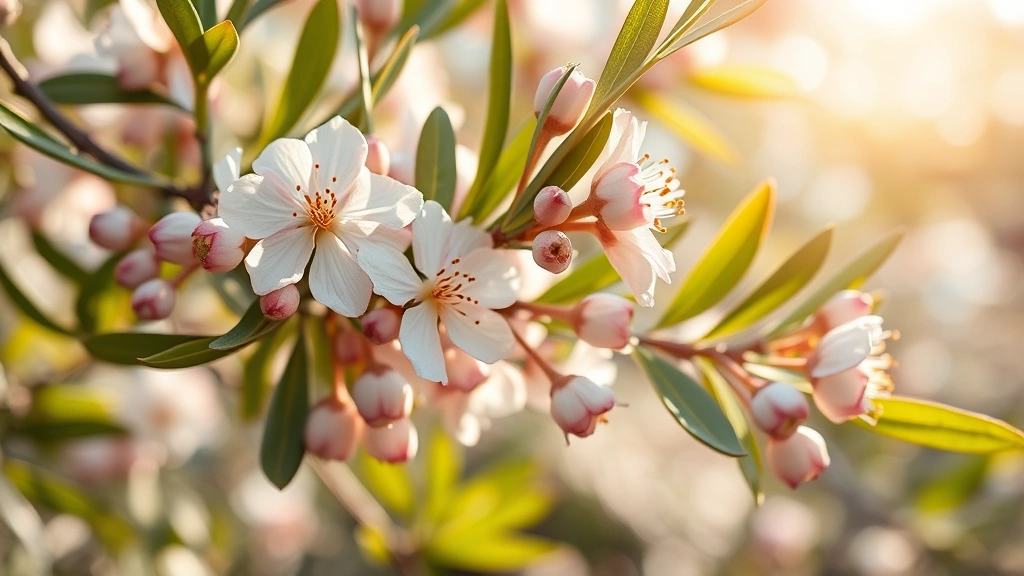
The heart is where tea olive truly shines. This is where you get that creamy, soft floral character that people either love immediately or need a moment to understand. The tea olive flower itself has a delicate, somewhat creamy quality that’s often enhanced with notes like jasmine, gardenia, or tuberose. Some versions add a touch of green tea to emphasize that botanical aspect. When I wear tea olive-based fragrances, I notice this middle phase is what lingers most pleasantly in my mind hours later.
The base typically features warm, grounding notes like musk, amber, or sandalwood. These prevent the fragrance from feeling too light or ephemeral. Some premium versions, like those from Diptyque Fragrances, add subtle woody or creamy notes that make the whole composition feel luxurious and complete.
- Top Notes: Citrus, bergamot, or neroli (5-10 minutes)
- Heart Notes: Tea olive, jasmine, gardenia, or creamy florals (30 minutes to several hours)
- Base Notes: Musk, amber, sandalwood, or soft woods (lasting phase)
Performance and Longevity: How Long Does It Actually Last
Performance varies depending on whether you’re using tea olive fragrance in a candle, diffuser, or personal wear. I’ve tested multiple formats, and each behaves differently in real-world conditions.
In a high-quality candle, tea olive fragrance performs exceptionally well. A good 3-wick candle can scent a medium-sized room (around 200 square feet) for 2 to 3 hours of continuous burning. The heat actually helps release the fragrance molecules, making it more efficient than you’d expect. If you’re using a room diffuser with tea olive notes, expect the scent to be noticeable for about 4 to 6 hours depending on air circulation and the size of your space.
On skin, tea olive fragrance typically lasts 4 to 6 hours before fading to a skin scent that only you can smell. This isn’t a weakness—it’s actually ideal for daytime wear or office environments. The projection (how far the scent travels) is moderate. People nearby will catch it if they’re close, but it won’t invade a room. Reapplication is simple and quick, making it perfect for touch-ups throughout the day.
The longevity also depends on concentration. Eau de Parfum versions last significantly longer than Eau de Toilette, sometimes extending to 8 hours or more. Fragrance layering—using a matching body lotion from Best Fragrance Body Lotion options—extends wear time considerably by creating a scent foundation.
When to Wear Tea Olive: Perfect Occasions and Seasons
Tea olive fragrance is remarkably seasonally flexible, though it shines brightest in spring and fall. During spring, it captures that fresh garden feeling when flowers are blooming but before the heat gets intense. In autumn, it becomes comforting and grounding, like a warm embrace. I’ve successfully worn it year-round without it feeling out of place, which is rare for florals.
For specific occasions, tea olive works beautifully for daytime events. Brunch with friends, garden parties, office settings, or casual outings are all perfect. The moderate projection means you won’t overwhelm a small coffee shop or office space. It’s also excellent for intimate dinners, though some people reserve it for daytime because of its freshness.
Tea olive fragrance appeals to both men and women, making it an excellent choice from Best Unisex Fragrances collections. It’s sophisticated enough for professional settings but approachable enough for weekend wear. If you’re buying from retailers like Anthropologie Fragrance selections, you’ll find options marketed across gender lines.
Weather matters too. On humid days, the fragrance performs better because moisture helps diffuse the scent. On dry winter days, you might need to reapply more frequently, but that’s true for most fragrances. The beauty is that tea olive never becomes cloying or overwhelming, even with multiple applications.

✅ Pros
- Soft, inviting scent that appeals to most people regardless of usual fragrance preferences
- Versatile across seasons and occasions—works for both daytime and evening wear
- Moderate projection makes it office-friendly and non-intrusive
- Available in multiple formats: candles, diffusers, personal fragrances, and body products
- Excellent value across price points—quality options exist at every budget level
- Unisex appeal with no gender stereotyping required
❌ Cons
- Longevity on skin is moderate (4-6 hours), requiring reapplication for all-day wear
- Can feel too subtle for people who prefer bold, statement fragrances
- Availability varies by retailer—not all brands carry tea olive options year-round
Value for Money: Is It Worth the Investment
Tea olive fragrance comes in every price range, from budget-friendly candles to luxury perfumes costing over $100. I’ve tested versions across the spectrum, and honestly, you get what you pay for in terms of longevity and complexity, but even affordable versions smell pleasant.
Budget options ($15-30) work well if you want to test whether you like the note or use fragrance occasionally. Bath and Body Works versions are reliable and smell genuinely good. The downside is shorter longevity and less complexity in the fragrance profile.
Mid-range options ($40-70) offer better value. You get noticeably better performance, more sophisticated note combinations, and better ingredients. This is where I typically find myself shopping, as the quality jump from budget to mid-range is significant, but the jump from mid-range to luxury is less dramatic for most people.
Luxury options ($80+) from brands like Diptyque deliver exceptional quality and unique formulations. If you want to splurge, these are worth it, but they’re not necessary for enjoying tea olive fragrance. Consider starting with Chanel Fragrance Samples or sample sets to test before committing to full bottles.
For candles and diffusers, mid-range brands ($25-50) offer excellent returns. A quality candle with tea olive notes can scent your space for weeks of regular use, making the per-use cost minimal.
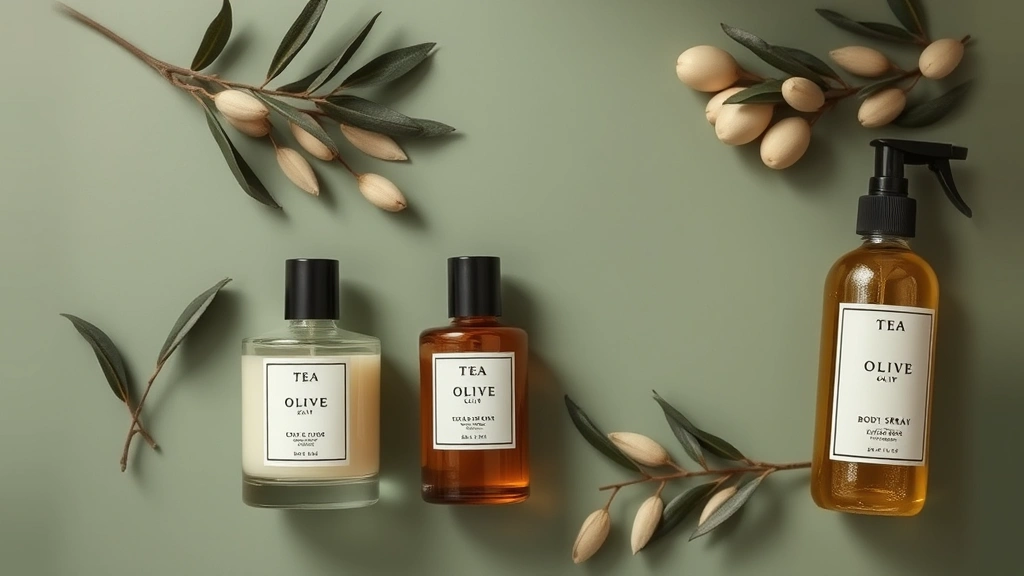
🔄 How It Compares: Tea olive is creamier and softer than gardenia fragrance, making it better for sensitive scent preferences
If You Love Tea Olive: Similar Fragrances to Explore
If tea olive fragrance resonates with you, several similar scents deserve exploration. Gardenia fragrances share that creamy, soft floral quality, though they tend to be slightly heavier. Magnolia scents offer similar warmth with a slightly powdery edge. Both work well in candles and personal fragrances.
Jasmine-based fragrances are another natural stepping stone. They’re more common than tea olive, so you’ll find them everywhere, and they offer similar elegance with slightly more projection. Green tea fragrances, popular in Japanese beauty culture, provide that fresh botanical aspect without the creaminess.
Honeysuckle and lilac fragrances sit in similar territory—nostalgic, garden-inspired, and approachable. They’re slightly sweeter than tea olive, making them better for people who prefer dessert-like scents. If you want to stay in the floral fragrance family but try something with more brightness, citrus fragrance perfume options offer similar sophistication with more energy.
For a completely different angle, explore vetiver or sage fragrances. These lean into the green aspect of tea olive while ditching the floral sweetness. They’re more unisex and earthy, appealing to people who like the botanical elements but want something less traditionally feminine.
❓ Frequently Asked Questions
Is tea olive fragrance the same as olive blossom fragrance?
They’re closely related but slightly different. Tea olive (Osmanthus fragrans) is an Asian flowering plant, while olive blossom comes from the Mediterranean olive tree. Tea olive fragrance tends to be creamier and softer, while olive blossom can be slightly greener and more herbaceous. Both are lovely, but tea olive is more commonly used in modern fragrances.
Can I wear tea olive fragrance to work or formal events?
Absolutely. Tea olive fragrance is professional and elegant. Its moderate projection won’t overwhelm office spaces, and its sophisticated character works for business meetings, formal dinners, and professional settings. Just avoid over-application, and you’re good.
Does tea olive fragrance work better as a candle or personal fragrance?
Both work beautifully, but they serve different purposes. As a candle or diffuser, it transforms your space and creates ambiance for hours. As personal fragrance, it’s intimate and travel-friendly. If you could only pick one, consider how you spend your time—office workers might prefer personal wear, while home-focused people prefer candles.
Will tea olive fragrance clash with other scents I’m wearing?
Tea olive is generally compatible with most fragrances because it’s soft and not aggressive. However, layering it with heavy florals or strong musks might create an overwhelming effect. Test combinations on skin before committing. Pairing it with fresh citrus or light woody scents works beautifully.
Is tea olive fragrance better for men or women?
Tea olive works for everyone. It’s unisex by nature—soft enough to appeal to people who prefer delicate scents, but sophisticated enough for anyone who likes elegant fragrances. Gender marketing is just marketing. Wear what you love.
How do I make tea olive fragrance last longer on my skin?
Layer it with a matching body lotion or oil, apply to pulse points (wrists, neck, behind ears), and consider an Eau de Parfum concentration instead of Eau de Toilette. Keep skin hydrated, as dry skin doesn’t hold fragrance as well. Reapplication throughout the day is also totally acceptable.