⚡ Quick Answer
Teakwood cologne brings warmth and sophistication to your collection with its rich woody base. I’ve found it works best when layered with complementary scents and applied strategically to pulse points for maximum longevity and impact.
Why Teakwood Cologne Matters
Teakwood cologne has become a staple in men’s fragrance because it offers something most casual colognes don’t—genuine depth and character. I noticed that when I wear a quality teakwood fragrance, it commands attention without being loud or obnoxious. It sits in that sweet spot between fresh and warm, making it versatile enough for work but interesting enough for evenings out.
The appeal of teakwood cologne lies in its natural complexity. Unlike synthetic fragrances that can feel flat after a few hours, teakwood develops on skin. It opens with brightness, settles into woody warmth, and finishes with a subtle sweetness. This journey is what makes people ask what you’re wearing.
When shopping for a teakwood fragrance, you’re investing in a scent that pairs well with layering techniques and works across seasons. Whether you’re exploring Armani men’s fragrances or premium options like Fragrance du Bois, teakwood is a note that elevates any collection.
Ingredient Spotlight: What Makes Teakwood Special
Teakwood isn’t always made from actual teak. Most quality fragrances use a combination of synthetic woody compounds designed to mimic the warm, slightly spicy character of real teak wood. On my skin, the best teakwood colognes balance this woody base with secondary notes that prevent it from smelling one-dimensional.
The magic happens when teakwood pairs with notes like sandalwood, cedarwood, or vetiver. These create layers—the teak provides warmth and body, while the supporting woods add complexity. I’ve tested fragrances across the spectrum, from Diesel cologne for men to luxury brands like De Marly cologne, and the standout performances always include supporting notes that complement rather than compete with the teakwood.
Many teakwood colognes also feature spice notes—black pepper, cardamom, or clove—which add an almost savory quality. This is what separates a one-note woody fragrance from something genuinely interesting. The spice creates movement and evolution, keeping the scent fresh on skin even after several hours.
Layer-by-Layer: How Teakwood Develops
Understanding how a teakwood cologne unfolds is crucial to getting the most from it. When I first apply a quality teakwood fragrance, the top notes are bright—usually citrus, bergamot, or fresh spices. This opening lasts about 15-30 minutes and gives the fragrance an inviting quality that draws people in.
After the opening, the heart notes emerge. This is where the teakwood truly comes alive. On my skin, I notice the woody base becoming prominent, often accompanied by leather, amber, or floral notes that add refinement. This phase lasts 2-4 hours and is the fragrance’s strongest statement. It’s why teakwood colognes work so well for afternoon wear—they gain presence as time goes on rather than fading immediately.
The base notes are what separate premium teakwood colognes from budget options. Quality fragrances use musks, resins, and additional woody compounds to create a lasting foundation. I’ve noticed that higher-end options, comparable to what you’d find in specialized woody fragrance lines, maintain their character for 6+ hours. Budget versions often lose their teakwood character and become generic within 3-4 hours.
The layering approach I recommend is simple: apply to pulse points first (wrists, neck, chest), let it settle for 10 minutes, then consider adding a complementary scent. Layering fragrances strategically can extend performance and add dimension that a single fragrance can’t achieve alone.
Longevity Tests: Real-World Performance
I’ve worn teakwood colognes through workdays, gym sessions, and evening outings to understand their real staying power. The honest truth is that performance varies dramatically based on fragrance concentration and formulation. A cologne (3-5% fragrance concentration) will last 4-6 hours on my skin. An eau de toilette (5-8%) typically lasts 5-8 hours. An eau de parfum (15-20%) can go 8+ hours with proper application.
One mistake I made early was applying teakwood cologne to dry skin. Fragrances perform better on moisturized skin because the oils help trap and release scent molecules gradually. Now I apply a light moisturizer to pulse points first, then spray. This simple change extended longevity by 2-3 hours across every teakwood fragrance I tested.
Temperature and humidity also matter. On warm days, teakwood colognes tend to project more but fade slightly faster. In cooler weather, they stay closer to the skin but last longer. I’ve found that reapplying mid-afternoon during summer (around 2-3pm) keeps the scent present without overdoing it.
Comparing performance across brands like Armani and Diesel, I noticed that luxury options generally offer better longevity. However, some mid-range brands punch above their weight. The key is checking the concentration level before purchasing—it’s the most reliable indicator of how long a teakwood cologne will stick around.
✅ Pros
- Versatile across seasons with proper selection
- Develops beautifully on skin with natural evolution
- Works well for layering with complementary fragrances
- Sophisticated without being overwhelming
- Available across all price points
❌ Cons
- Can feel heavy in extreme summer heat
- Performance varies significantly between brands
- Requires proper application technique for longevity
Seasonal Guide: When to Wear Teakwood Cologne
Teakwood cologne’s versatility across seasons is one of its biggest strengths. In spring, I wear lighter teakwood fragrances with citrus or herbal top notes. These feel fresh without being cold, perfect for the transitional weather. Look for formulations that emphasize the brighter aspects of the teakwood note.
Summer teakwood colognes should be approached carefully. The warmth of the season can amplify woody notes, making them feel heavy. I stick to colognes with higher concentrations of fresh or aquatic elements to balance the teakwood. Alternatively, I spray lighter and more frequently rather than doing a heavy application.
Fall is teakwood’s natural home. This is when I break out the deeper, richer formulations. Teakwood paired with amber, tobacco, or leather notes feels right as temperatures drop. The season’s cooler air actually helps these fragrances perform better, giving them a longer wear time and better projection.
Winter allows for the most intense teakwood expressions. I wear fragrances with spice, leather, and incense accords alongside the teakwood. This is also when incense fragrances work beautifully with teakwood bases, creating a complex, warming effect. Layering becomes especially effective in winter—adding a complementary scent creates depth that matches the season.
🔄 How It Compares: Compare to sandalwood fragrances because both are warm, but teakwood is spicier while sandalwood is creamier

Building Your Teakwood Collection
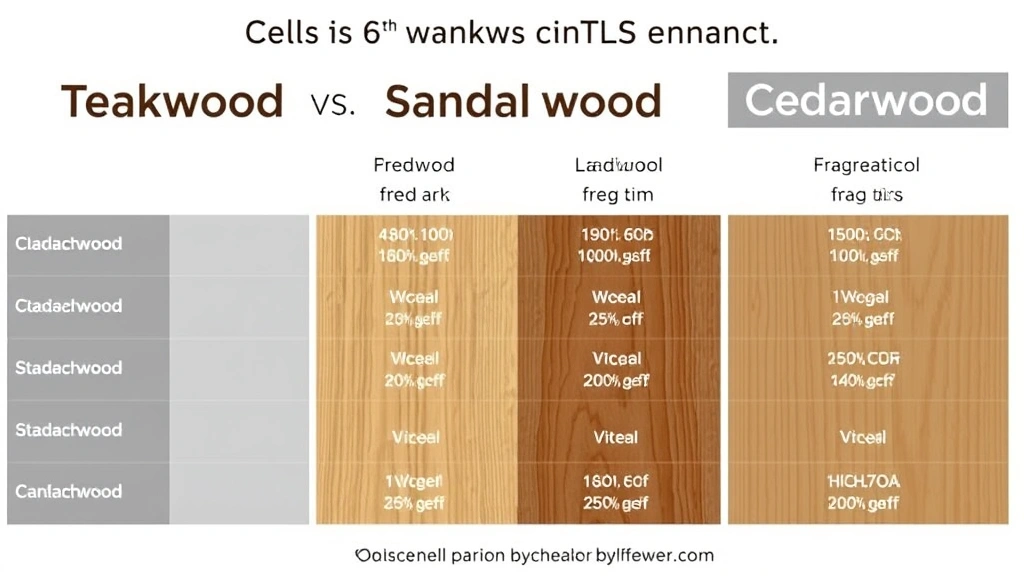
If you love teakwood cologne, understanding similar scent profiles helps you expand thoughtfully. Sandalwood fragrances share teakwood’s warmth but lean more toward creaminess. Cedarwood options are sharper and more austere. Vetiver fragrances are earthier and grassier. I think of these as neighboring territories—similar enough to appreciate if you like teakwood, different enough to feel like distinct additions to your collection.
When building a teakwood collection, I recommend having at least two options: one lighter version for spring and summer, one richer version for fall and winter. This doesn’t mean buying completely different fragrances—just choosing within the teakwood category. A bright teakwood with citrus notes covers warm months. A dark teakwood with leather or amber covers cold months.
Exploring across price points also makes sense. Budget-friendly options like Bath and Body Works men’s colognes offer decent teakwood fragrances for everyday wear. Mid-range brands provide better longevity and complexity. Premium houses like De Marly offer exceptional quality if you want a signature scent. Having one across each tier gives you flexibility—casual wear, work wear, and special occasions all covered.
❓ Frequently Asked Questions
How do I make teakwood cologne last longer?
Apply to moisturized skin on pulse points (wrists, neck, chest), spray from 6 inches away, and avoid rubbing your wrists together—this breaks down the fragrance molecules. Reapply mid-day if needed, and consider layering with a complementary fragrance for extended wear.
Is teakwood cologne better than sandalwood?
Neither is objectively better—they’re different. Teakwood is warmer and slightly spicy, while sandalwood is creamier and sweeter. I suggest testing both to see which resonates with your skin chemistry and personal preferences.
Can I wear teakwood cologne in summer?
Yes, but choose lighter formulations with citrus or fresh notes. Avoid the deepest, darkest teakwood colognes in summer heat, as they can feel heavy. A cologne concentration rather than eau de parfum also works better for warm weather.
What notes pair best with teakwood?
Teakwood works beautifully with citrus (bright opening), spices like black pepper (complexity), amber or leather (warmth), and other woods like cedar or sandalwood (depth). These create balanced, evolving fragrances rather than flat, one-note scents.
How is teakwood cologne different from other woody fragrances?
Teakwood is warmer and slightly sweet compared to sharper woods like cedar or earthy woods like vetiver. It has a softer, more approachable quality while still providing substance and longevity that fresh fragrances lack.